
Flavors of Nigeria: A Culinary Itinerary through Historic Cities
Diving into the Heart of Nigeria’s Gastronomy
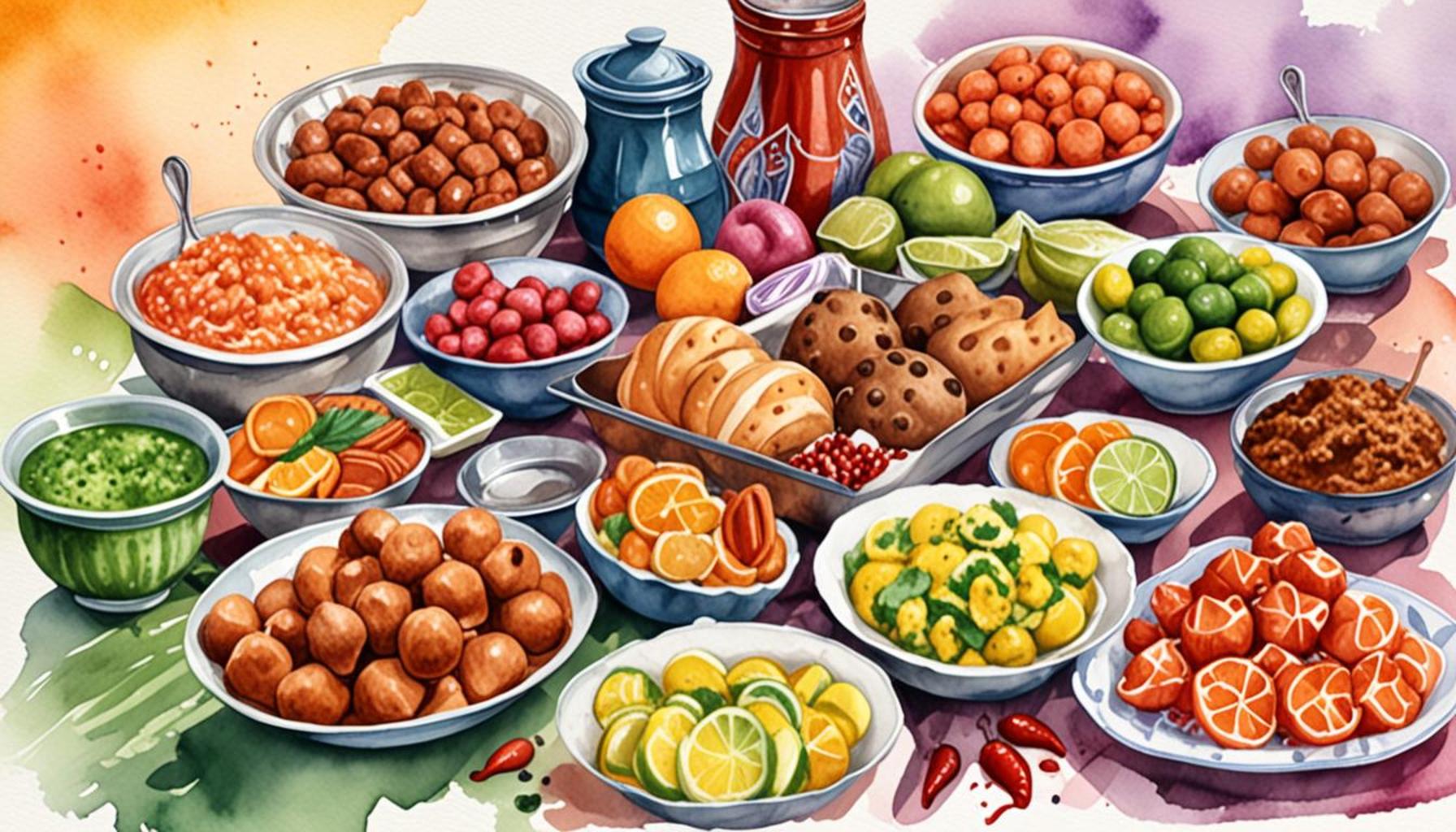
Nigeria’s culinary scene is a mesmerizing convergence of traditions, ingredients, and techniques that have evolved across its diverse cultures. From the bustling streets of Lagos to the serene landscapes of Enugu, Nigeria’s cities offer an exciting array of flavors that paint a picture of its rich heritage and vibrant contemporary life. Each meal tells a story, whether it’s being enjoyed at a roadside eatery or during an elaborate family gathering.
Exploring Nigerian food is akin to embarking on a historical journey, where every dish has a unique narrative influenced by regional availability and cultural practices. This culinary adventure can be illustrated through several key aspects:
- Regional specialties: Each region in Nigeria has signature dishes that are like postcards from their respective localities. For instance, the North is famous for dishes like tuwo shinkafa, a rice dumpling enjoyed with miyan kuka, a moringa leaf soup, while the South is renowned for the hearty pepper soup, a spicy broth usually made with catfish or goat meat, particularly popular in Lagos and Port Harcourt.
- Traditions and rituals: Cuisine in Nigeria is deeply intertwined with cultural customs. During the festive season, families often prepare jollof rice, a quintessential West African dish that has become a staple at celebrations, while ofada rice, served with ayamase sauce, is a local favorite during weddings and significant events. Food is not merely sustenance; it serves as a medium for unity and heritage.
- Local ingredients: Nigeria’s abundant biodiversity offers a wealth of ingredients that elevate its culinary delights. Locally sourced spices like crayfish and bitter leaf, as well as fresh produce like yam, plantain, and a variety of peppers, are fundamental to many dishes. Visiting local markets, such as the bustling Balogun Market in Lagos, provides a visceral experience of the vibrant food culture, where colorful vegetables and aromatic spices abound.
Imagine savoring a plate of suya, spicy skewered meat grilled to perfection, amidst the energetic atmosphere of Kano. Or perhaps, indulging in a bowl of edikang ikong, a rich vegetable soup, in Uyo, where the use of local pumpkin leaves speaks volumes of the region’s agricultural practices. Such experiences enhance your appreciation of both the complexities and the simplicity found in Nigerian cooking.
Join us in this sensory exploration of Nigeria’s culinary tapestry, where every meal is an opportunity to appreciate the intricate dance of flavors and traditions that shape its identity. Prepare to dive deeper into the flavors of Nigeria—a journey that not only tantalizes the taste buds but also enriches your understanding of a nation rich in history and diversity.
CHECK OUT: Click here to explore more

Signature Dishes Across Nigeria’s Historic Cities
As we traverse Nigeria’s historic cities, we encounter a mosaic of flavors and distinct culinary traditions that reflect the cultural richness and diversity of the nation. Each city boasts its own signature dishes, vibrant markets, and unique eating experiences that showcase the prowess of Nigerian gastronomy. From the northern plains to the southern coast, here are some key cities that exemplify the flavors of Nigeria, each lending its unique aroma and taste to the national cuisine.
Kano: The Spice Capital
Kano, steeped in history, is a vital trading hub renowned for its spices and traditional cooking methods. Here, one cannot miss the iconic tuwo shinkafa, a soft rice dumpling that forms the base of many meals. Often paired with miyan kuka, a flavorful soup made from powdered baobab leaves and a medley of spices, this dish encapsulates the essence of northern Nigerian cuisine. In the heart of Kano, the Kano City Walls encapsulate a treasure trove of culinary experiences, where local food sellers thrive in the bustling markets, offering dishes that mesmerize with their aroma and taste.
Lagos: A Melting Pot of Flavors
The hustle and bustle of Lagos presents one of the most electrifying culinary landscapes in Nigeria. Known for its seafood offerings, the city is famed for its pepper soup, particularly the version made with catfish, which boasts an intoxicating blend of spicy, aromatic herbs. Another must-try is jollof rice, a vibrant, tomato-based dish often spiced to perfection, making it a celebratory staple at gatherings, from weddings to casual parties. The city’s infamous street food scene also deserves mention, with vendors serving an array of snacks like puff-puff and suya. Each bite takes you on a flavor journey, showcasing the city’s culinary fusion.
Port Harcourt: The Seafood Haven
As we journey to the southern region, Port Harcourt stands out for its coastal cuisine that highlights the bounty of the Atlantic Ocean. A signature dish here is isi ewu, a goat head pepper soup that is rich, spicy, and full of tradition. This beloved dish is often enjoyed with friends and family, bringing people together over its aromatic allure. Additionally, the city’s vibrant markets overflow with fresh seafood, where local delicacies like fish pepper soup are crafted with freshly caught fish, further enhanced by local ingredients unique to the area. Port Harcourt’s culinary landscape is not just about food; it is an invitation to explore the rich aquatic resources that define its identity.
Uyo: The Natural Garden
In Uyo, the agricultural heart of Akwa Ibom State, the emphasis on local ingredients leads to delectable dishes such as edikang ikong, a vegetable soup made from pumpkin leaves and a mixture of meats, including fish and beef. This dish reflects the area’s bountiful harvest and the community’s culinary ingenuity, as it is often served during communal meals and special occasions. The local chewing of ekpang nkukwo, a delicious dish made from grated cocoyam and vegetable stuffing, further illustrates the connection between cultural identity and food. Exploring Uyo offers a taste of the land’s natural abundance and the connection to traditional farming practices.
As we peel back the layers of Nigeria’s culinary offerings, it becomes clear that each city possesses a distinctive culinary fingerprint. This exploration of flavors showcases not only the creativity of Nigerian chefs and home cooks but also the narratives embedded in every dish. Prepare to embark further on this edible journey, as we uncover more treasures within Nigeria’s vibrant cities.
| Culinary Diversity | Unique Dishes |
|---|---|
| Regional Flavors | Explore the influence of various ethnic groups on local cuisines. |
| Historical Significance | Understand how colonial history shaped current food practices. |
Embarking on a culinary journey through Nigeria offers a vibrant tapestry of flavors, showcasing the remarkable culinary diversity found in its historic cities. Each region boasts its own specialties, with dishes steeped in tradition that reflect the rich cultural heritage of the country. The northern regions, for example, are known for their spicy kebabs and the hearty jollof rice, while the southern areas shine with their abundant seafood and unique pounded yam establishments.Moreover, delving into the unique dishes of Nigeria not only tantalizes your tastebuds but also provides insight into the country’s history. Many of the dishes have fascinating stories, often intertwined with Nigeria’s colonial past and the various ethnic influences that have merged over centuries. Take a moment to savor the iconic suya or relish a plate of egusi soup—each bite tells a story of the land and its people. As you traverse through Nigeria’s historic cities, each meal serves not just to nourish but to weave a narrative that connects you to its profound history and cultural landscapes. Exploring these culinary pathways is an opportunity to appreciate a depth that transcends mere taste, inviting you to experience the heart of Nigeria through its food.
SEE ALSO: Click here to read another article
A Taste of Tradition: Regional Variations and Unique Ingredients
Continuing our culinary exploration through Nigeria’s historic cities, we delve deeper into the regional differences that define each area’s unique flavors. The beauty of Nigerian cuisine lies in its variety, shaped by geography, climate, and cultural influences. Each region carries its own identity and culinary language, making Nigeria a vibrant tapestry of flavors.
Ibadan: The Home of Amala and Ewedu
In the southwestern region lies Ibadan, a city known for its rich history and delicious comfort food. One cannot discuss Ibadan without mentioning amala, a starchy dish made from yam flour or cassava. This dish is celebrated for its smooth texture and is typically paired with ewedu, a mucilaginous soup made from jute leaves. Enhanced with earthy flavors and sometimes combined with goat meat or fish, this dish exemplifies the depth of Yoruba culinary traditions. The food markets in Ibadan, particularly the famous Bodija Market, serve as vital hubs for locals, where one can find fresh produce, spices, and other ingredients that define the city’s culinary landscape.
Enugu: The Coal City’s Culinary Gems
As we transition to Enugu, fondly referred to as the Coal City, the flavors shift to reflect the Igbo culture. Traditional dishes like ofada rice served with iaiwu, a spicy stew made from unripe pepper, become essential culinary experiences in this region. This particular rice variety is notable for its distinctive aroma and earthy taste, celebrated for its pairing with local meats that add zest to meals. Visiting Enugu also allows the food aficionado to savor nkowbi, a spicy cow skin dish often enjoyed with palm oil and fresh pepper, bringing to light the community’s creativity in utilizing available local resources. The vibrant food culture in Enugu is encapsulated by its strategic local markets, where fresh ingredients beckon food lovers to explore.
Calabar: The Culturally Rich Plate
Moving to Cross River State, we find ourselves in the culinary epicenter of Calabar, often dubbed the “Land of Milk and Honey.” Calabar’s cuisine highlights an exciting fusion of flavors, prominently featuring peppered snails and groundnut soup. This dish reflects both sophistication and simplicity, typically served with fufu or rice. One must also experience the Calabar Pepper Soup, a spicy broth that uses local ingredients to create an unforgettable taste. Not only does Calabar’s culinary tradition indulge the taste buds, but it also offers a glimpse into the city’s cultural festivities, particularly the Annual Calabar Carnival, where food forms a central part of the celebration.
Jos: The Mountain City’s Pastoral Flavors
Finally, our gastronomic tour leads us to Jos in the central highlands, a city nestled at a cool altitude that supports agriculture. The surrounding land is home to rich pastures which lead to distinctive dishes such as bitterleaf soup, made with fresh vegetables that contrast beautifully against the rich flavors of meats. Known for its potato farming, Jos serves a unique dish called Yam Porridge, which combines yams with spices and assorted proteins, bringing warmth and luxury to the palate. The local farming techniques and freshness of ingredients are vital to Jos’s identity, with markets like Jos Main Market playing an integral role in the social and culinary fabric of the city.
As this journey through Nigeria’s historic cities continues, it becomes evident that these regions collectively tell the story of a nation. Each dish and ingredient evokes histories, traditions, and a sense of community, encouraging a deeper exploration into the culinary heritage that binds Nigerians together.
YOU MAY ALSO LIKE: Read read another article
Conclusion: Celebrating Nigeria’s Culinary Heritage
As we wrap up our culinary journey through Nigeria’s historic cities, it is clear that this nation’s cuisine is not merely a collection of recipes, but a vibrant reflection of its rich cultural heritage and diversity. Each city we explored—from the comfort of amala in Ibadan to the aromatic ofada rice in Enugu, the exquisite peppered snails of Calabar, and the pastoral dishes of Jos—carries unique stories, traditions, and influences that resonate loudly within the heart of its people.
Nigeria’s culinary landscape is a narrative that weaves together the threads of geography, history, and communal experiences. With its intricate spices, indigenous ingredients, and cooking techniques passed down through generations, Nigerian cuisine invites not only the locals but also global food enthusiasts to engage in a flavorful dialogue. The bustling markets serve as a testament to the importance of community in maintaining these culinary practices, where fresh produce and traditional ingredients come together to create an unparalleled dining experience.
As you traverse through Nigeria, allow yourself to be immersed in the tantalizing flavors that each region offers. Consider exploring local food festivals, trying your hand at traditional recipes, or simply engaging with the locals to learn more about their food stories. The flavors of Nigeria are as varied as its people, and every dish offers an opportunity to appreciate the artistry and cultural identity of this incredible nation. Embrace this culinary itinerary, and let the diverse flavors of Nigeria deepen your understanding of its history and heritage.