Exploring Nigeria’s Traditional Festivals: An Unforgettable Cultural Itinerary
Discover the Vibrancy of Nigeria’s Cultural Heritage
Nigeria is a mosaic of cultures, woven together by diverse traditions and rich histories. The country’s traditional festivals offer a mesmerizing glimpse into its heritage. Each festival is not just a celebration but a showcase of community values, artistry, and the undying spirit of the people. In Nigeria, festivals serve as a vital form of cultural expression, bringing together various ethnicities and creating a vibrant communal atmosphere that is both engaging and enlightening.
Why Explore Nigeria’s Traditional Festivals?
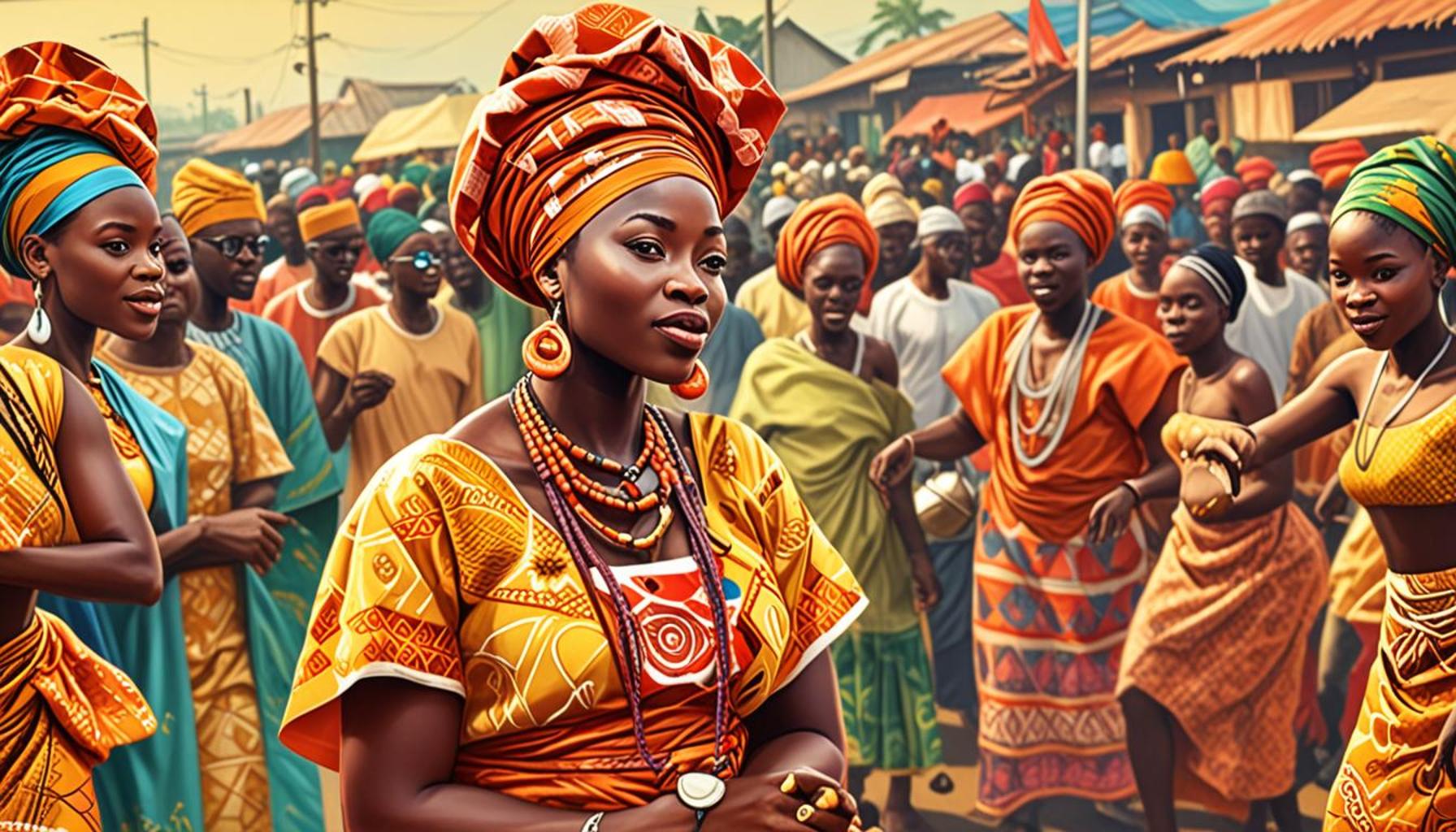
- Unique Experiences: Every festival presents an opportunity to witness vibrant parades, colorful costumes, and traditional music. For instance, during the Lagos Carnival, participants don elaborate costumes that reflect both contemporary and traditional themes, creating a stunning visual spectacle that delivers joy to locals and tourists alike.
- Rich History: Festivals often tell stories of historical events, ancient rituals, and the customs of various ethnic groups. For example, the Eyo Festival in Lagos honors the passing of a king and serves as a reminder of the historical significance and cultural heritage of the Yoruba people. The dramatic masquerade procession and the symbolic significance of the attire provide deep insights into the tradition.
- Cultural Unity: These gatherings foster a sense of belonging among locals and attract visitors from around the globe. The festivals create a platform where people from different backgrounds come together, share experiences, and promote understanding, making them essential to national identity.
From the Argungu Fishing Festival in Kebbi to the Osun-Osogbo Festival in Osun State, each event offers something unique. The Argungu Fishing Festival is particularly notable for its thrilling fishing competitions, where men and women compete with nets in a contest that dates back over 80 years. Imagine witnessing the ecstatic rhythm of the drums, the intricate dance steps, and the mouthwatering local cuisine that complements the vibrant atmosphere. Each festival is indeed an enchanting journey through Nigeria’s rich cultural landscape.
What to Expect
- Festive Atmosphere: Enjoy the electric ambiance filled with laughter, music, and communal joy. Music plays an integral role, with local artists often performing traditional songs that resonate with the community’s pride and heritage.
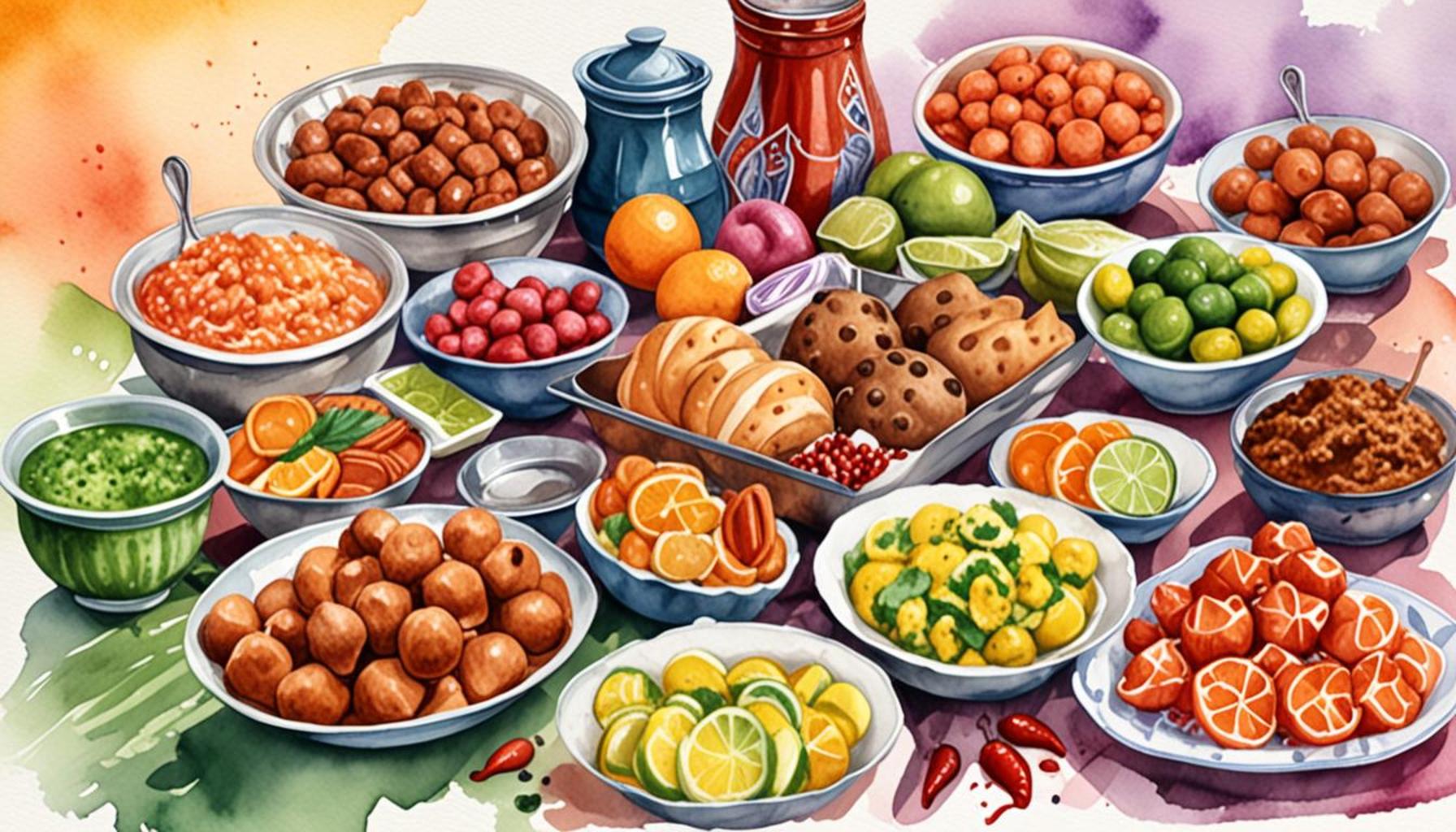
- Delicious Cuisine: Feast on traditional dishes that vary by region, enhancing the festive experience. For instance, the famous jollof rice, spicy pepper soup, and pounded yam are staples at many festivals, allowing visitors to experience Nigeria not just through sight and sound, but also through taste.
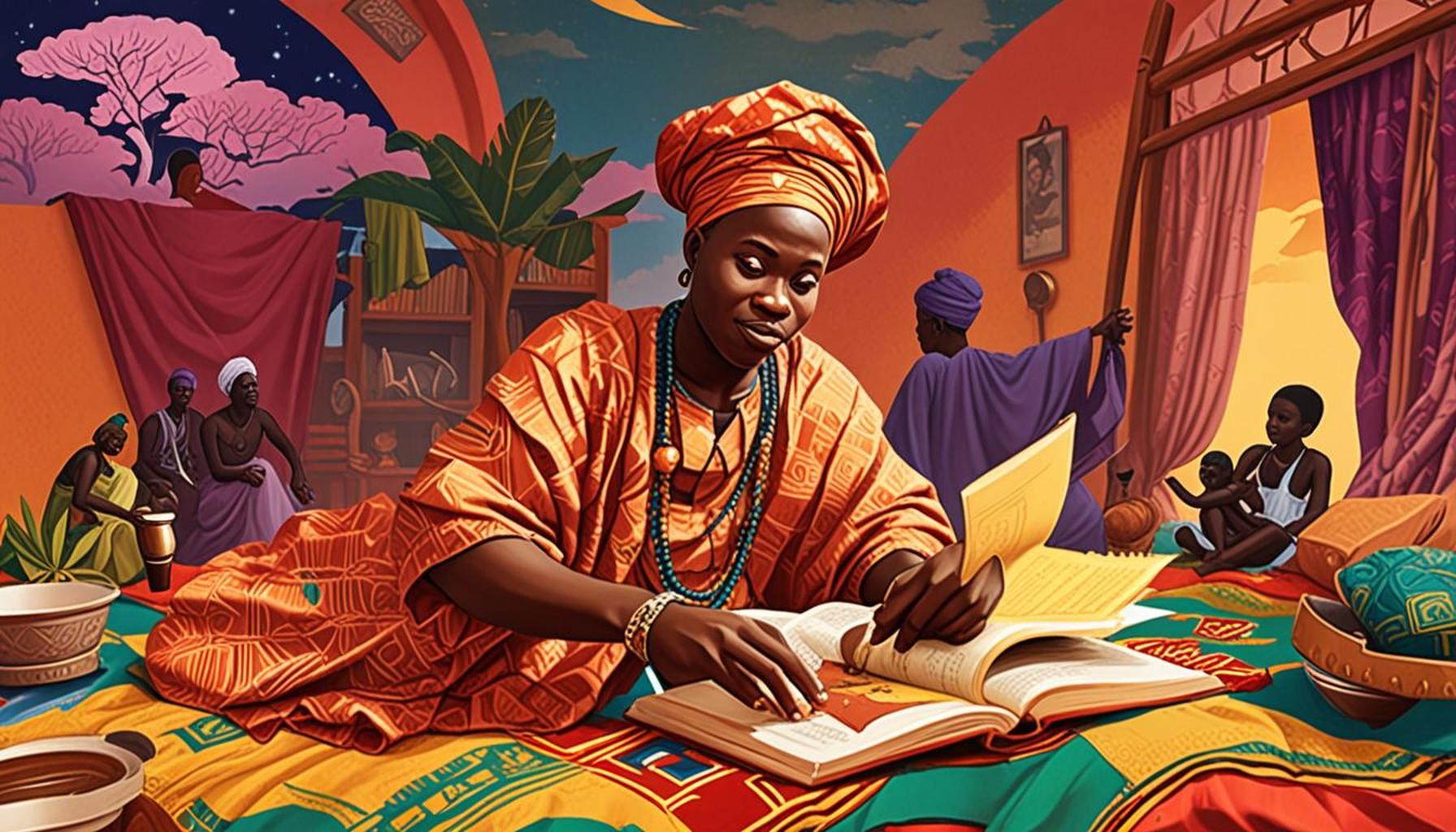
- Artistic Displays: Appreciate local crafts, performances, and traditional storytelling that enrich the cultural landscape. These artistic displays often include intricate batik designs, vibrant beadwork, and captivating storytelling sessions that convey historical narratives and moral lessons.
As you explore these traditional festivals, prepare for an unforgettable cultural itinerary that not only celebrates Nigeria’s past but also shapes its future. With each event serving as a reminder of the rich tapestry of Nigerian culture, you will find yourself immersed in the breathtaking diversity of one of Africa’s most dynamic nations. Embrace the opportunity to learn, engage, and enjoy the delightful fusion of history and modernity that defines Nigeria’s cultural heritage.
LEARN MORE: This related article may interest you
Unearthing the Rich Tapestry of Festivals
Nigeria’s traditional festivals represent more than mere celebrations; they are powerful narratives steeped in history and cultural significance. Each festival weaves together tales of ancestry, spirituality, and community, offering both locals and visitors an authentic taste of what it means to belong to this vibrant nation. From the bustling streets of Lagos to the serene villages in Enugu, every corner of Nigeria has a story to tell through its festivities.
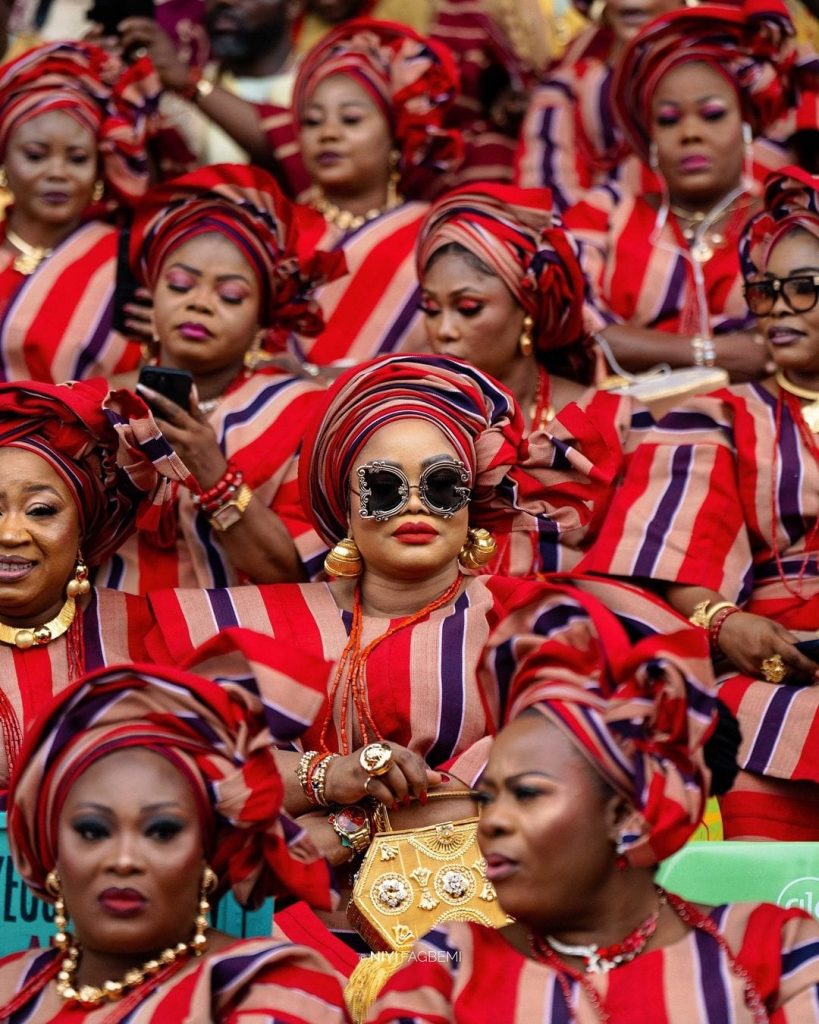
Diverse Celebrations Across Regions
The geographical diversity of Nigeria is mirrored in its festivals. Each ethnic group showcases its customs and traditions, inviting guests to be part of something larger than themselves. Consider attending the Calabar Carnival, often dubbed Africa’s biggest street party. This month-long extravaganza in Cross River State features elaborate floats, stunning costumes, and energetic music that encapsulates the spirit of the South-South region. It’s an immersive experience where the rhythm of traditional dance blends seamlessly with modern music—an embodiment of cultural evolution.
Up north, the Durbar Festival in Kano showcases the grandeur of the Fulani culture, celebrating the end of Ramadan with a breathtaking parade of horses, camels, and riders adorned in resplendent attire. The sight of vibrant colors against historical city walls captures not just the eye but also the heart, offering a glimpse into the sartorial elegance and equestrian heritage of this age-old tradition.
Festivals Reflecting Cultural Values
Nigeria’s festivals are deeply intertwined with the community’s ethos and values, often addressing historical events and pivotal moments. The Osun-Osogbo Festival, held annually in Osun State, is a captivating illustration of this narrative. It honors the river goddess Osun and symbolizes the unity of the community. Engaging rituals, dance, and offerings to the goddess underscore the importance of nature and spirituality, making it a vital part of the Yoruba identity. Visitors are invited to partake in the sacred activities, which serve as a poignant reminder of the connection between the environment and cultural practices.
- Enhancing Tourism: Festivals not only serve as cultural celebrations but also significantly boost tourism. The influx of visitors creates opportunities for local artisans and entrepreneurs, promoting economic growth.
- Showcasing Talent: Many festivals feature contests that highlight local talent, from music and dance to culinary skills, fostering creativity and artistic expression within communities.
- Preservation of Heritage: Festivals function as crucial platforms for transmitting cultural knowledge to younger generations, ensuring the survival of traditions in an ever-evolving society.
By exploring these festivals, you can embark on an adventure that transcends mere observation. It is an invitation to engage with Nigeria’s heart and soul, to hear the echoes of the past while walking hand-in-hand with the future. Whether you choose to dance at the vibrant Lagos Carnival or witness the historical reenactments at the Durbar, each experience promises to enrich your understanding of Nigeria’s diverse cultural landscape.
| Advantage | Description |
|---|---|
| Cultural Richness | Experiencing diverse traditions, music, and art forms unique to various ethnic groups. |
| Community Engagement | Opportunities to meet locals and participate in time-honored rituals, fostering a sense of unity. |
As you delve deeper into the heart of Nigeria’s traditional festivals, you will find that they serve as a vibrant tapestry of cultural expression. The cultural richness embodied in these celebrations offers visitors a chance to witness firsthand the myriad customs and practices that have been passed down through generations. Each festival, whether it is the Ekiti or the Durbar, showcases a blend of breathtaking costumes, rhythmic dances, and captivating storytelling.Furthermore, these celebrations are a hub for community engagement. They create an inviting atmosphere where tourists are welcomed into the fold of local life. By participating in captivating rituals, you not only gain insight into the people’s way of life but also share in their joys and challenges, thereby bridging cultural divides and enhancing your own understanding of the world. This unique interaction positions these festivals as an essential part of a cultural itinerary in Nigeria, offering travelers both discovery and connection.
CHECK OUT: Click here to explore more
The Unwritten Chronicles of Nigerian Festivals
Beyond the lively celebrations and colorful parades, Nigeria’s traditional festivals act as living museums that preserve the rich history of its diverse ethnic groups. Each event tells a story, echoing the complexities of Nigeria’s past while shining a light on contemporary issues. For those keen on history, the Ijaw Cultural Festival in Bayelsa State offers a captivating blend of heritage and advocacy. Amid music, dance, and traditional clothing, this festival also addresses pressing concerns such as environmental degradation and the rights of the Ijaw people. Engaging discussions take place alongside vibrant performances, inviting participants to reflect on the significance of cultural heritage in today’s context.
Arts and Crafts: The Heart of Festivals
Art is an intrinsic part of Nigeria’s cultural landscape, and festivals provide a platform for artisans to showcase their crafts. The Nkpọ Festival in Akwa Ibom State focuses on the talent of local craftspeople and artisans, with exhibitions of traditional weaving, pottery, and bead-making. Attendees can observe the intricate processes behind the creation of these crafts, providing insight into the skills that have been passed down through generations. Purchasing handcrafted goods not only supports local economies but also fosters appreciation for the artistry embedded in Nigeria’s rich cultural tapestry.
A Marketplace of Cultural Exchange
Festivals often attract people from various parts of Nigeria and beyond, creating a unique marketplace of ideas, foods, and customs. The Udi Festival in Enugu State is renowned for its culinary offerings, drawing food enthusiasts eager to taste local specialties like jollof rice, pounded yam, and assorted meat dishes prepared in traditional styles. Visitors can also partake in cooking demonstrations, where local chefs share recipes and cooking techniques that have been a source of pride within their communities. This interaction transcends mere enjoyment of food; it serves to strengthen bonds of friendship, dialogue, and cultural sharing.
- A Gateway to Interethnic Understanding: Participation in festivals fosters a spirit of unity among Nigeria’s diverse ethnic groups. By sharing experiences, attendees can cultivate a deep respect for each other’s cultural identities.
- Involvement of Youth: Festivals actively involve younger generations, instilling a sense of pride in cultural identity. By encouraging youth participation, festivals contribute to equipping future custodians of tradition.
- Global Recognition: Some Nigerian festivals are gaining international attention, elevating the country’s profile on the global stage. Events such as the Lagos Fashion and Design Week, although modern, infuse indigenous designs and materials, showcasing how traditional inspiration can resonate in contemporary contexts.
As you delve deeper into Nigeria’s traditional festivals, you will discover vibrant narratives that echo through the ages. Each festival serves as a reminder that culture is not static but a dynamic interplay of tradition and innovation, ensuring the stories of Nigeria’s people continue to thrive and inspire future generations. Festivals like the Osun-Osogbo and Durbar are not just events on the calendar; they are profound expressions of identity that connect every individual to their roots and to one another.
LEARN MORE: This related article may interest you
Embracing the Essence of Nigerian Festivals
In conclusion, exploring Nigeria’s traditional festivals unveils a captivating journey through the heart of a nation that is rich in culture and history. These spirited celebrations are more than just avenues of entertainment; they are profound expressions of identity, unity, and resilience. Each festival, from the vibrant Osun-Osogbo to the majestic Durbar, opens a window into the diverse narratives that contribute to Nigeria’s cultural tapestry. The cultural exchanges that occur during these gatherings foster an understanding that transcends ethnicity, creating bridges among various groups.
Moreover, as younger generations actively participate in these events, they are not only inheriting traditions but also reviving them, ensuring that the valuable heritage continues to flourish. The significance of festivals such as the Ijaw Cultural Festival, which addresses contemporary issues while celebrating rich traditions, underscores the evolving nature of culture in Nigeria. These events encourage introspection and dialogue, prompting attendees to reflect upon their cultural roots and their role in the broader community.
With a growing global recognition of Nigerian festivals, it is clear that these celebrations are vital not just for cultural retention but also for economic empowerment within local communities. As you embark on your journey through Nigeria’s festive calendar, let every beat of the drum and the vibrant colors of traditional attire remind you of the diverse and unforgettable stories waiting to be discovered. By partaking in these rich experiences, you become a part of a living narrative—where every festival is an invitation to honor, celebrate, and share the essence of Nigeria’s unique cultural heritage.