
Local Markets and Attractions: Integrating Travel Logistics into Tourist Itineraries
Vibrant Local Markets: Gateways to Authentic Culture
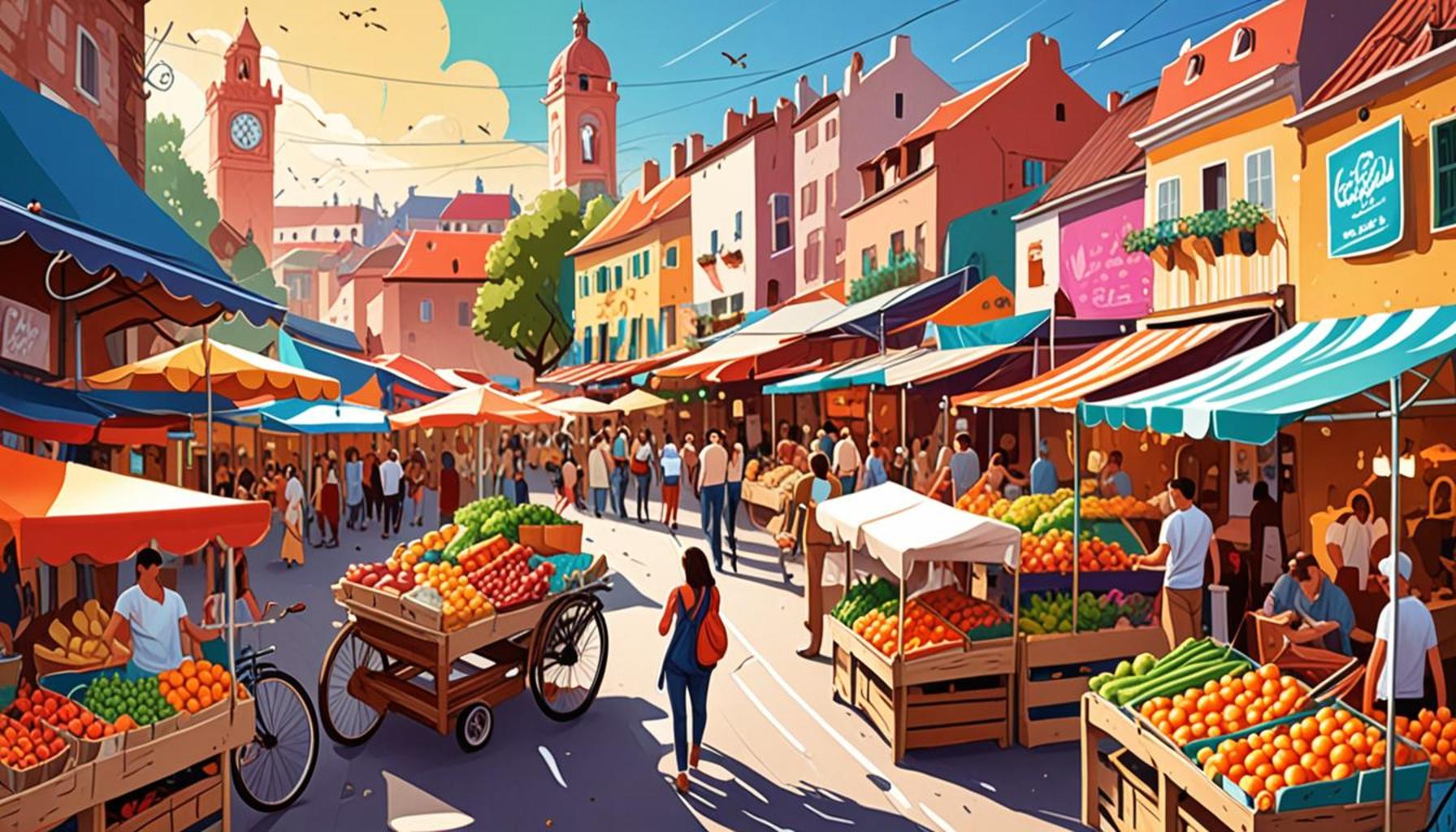
For travelers seeking a genuine experience, local markets and attractions serve as vibrant windows into the culture of a place. In Nigeria, these bustling hubs offer not only unique goods but also a taste of local life. For example, the lively stalls of Lagos’ Balogun Market exhibit an array of textiles, from traditional Ankara fabrics to modern fashion, reflecting the country’s rich cultural heritage. Shoppers can often engage with artisans who craft jewelry, showcasing their skills and stories, providing a personal touch to each purchase. Meanwhile, in Abuja’s Arts and Crafts Village, visitors can find colorful crafts that highlight the diverse heritage of Nigeria, from handcrafted pottery to intricate wood carvings, perfect for those keen on capturing the spirit of the nation through souvenirs.
However, when it comes to planning a visit to these locales, careful thought regarding travel logistics is crucial to enhance the overall experience. Before embarking on this cultural adventure, consider the following factors:
- Accessibility: Evaluate transport options; public buses can be an economical choice, while ride-hailing apps like Uber and Bolt provide a convenient and safe way to navigate through busy streets. Alternatively, you might consider guided tours that often incorporate local insights, making your visit more enriching.
- Timing: Markets can become crowded, especially during weekends or festive seasons. Researching the best times to visit—early mornings or late afternoons—can help tourists avoid the rush and savor a more relaxed shopping experience.
- Safety: Familiarity with the areas’ safety guidelines is essential. Engaging with locals or seeking advice from your hotel can provide invaluable insights into areas to explore and those to avoid. Wearing modest clothing can also help blend in with the culture.
Crucially, incorporating local markets into tourist itineraries not only enriches the travel experience but actively supports local vendors and strengthens the economy. This exchange helps preserve cultural traditions, ensuring that they are passed down to future generations. Ultimately, it is about finding a balance between the thrill of discovery and the necessities of practical travel logistics.
Join us as we delve deeper into how to effectively integrate these vibrant sites into your travel plans, ensuring that every visit is both enjoyable and memorable. By immersing yourself in the life of local markets, you not only gain insight into Nigeria’s dynamic culture but also create lasting memories that transcend the ordinary tourist experience.
CHECK OUT: Click here to explore more

Embracing the Local Experience: Key Markets Across Nigeria
The heart of Nigeria’s vibrant culture beats in its local markets, where an explosion of colors, sounds, and scents provides an immersive experience for tourists. Not only do these markets serve as platforms for unique and authentic goods, but they also allow visitors to interact with the local populace, fueling a deeper understanding of the community’s way of life. Major cities such as Lagos, Abuja, and Port Harcourt boast an array of markets that showcase the country’s rich heritage.
One can explore the Oshodi Market in Lagos, notorious for its lively atmosphere and diverse offerings. From fresh produce to handmade crafts, this marketplace pulsates with activity. Tourists can indulge in delectable street food options, such as pepper soup and puff-puff, while soaking in the hustle and bustle surrounding them. The experience becomes even more rewarding when tourists engage local vendors, allowing for meaningful exchanges that enhance their understanding of Nigerian culinary traditions and economic dynamics.
Another must-visit destination is the Gwari Market in Abuja, an integral part of the city’s economic life. Known for its agricultural products, this market showcases the region’s vast agricultural potential. Notably, visitors can find an array of fresh fruits, vegetables, and indigenous grains, making it an ideal stop for food enthusiasts wanting to explore Nigerian cuisine. As you navigate through the stalls, be sure to chat with local farmers who are eager to share their knowledge about sustainable farming practices.
To maximize enjoyment and mitigate potential inconveniences, consider the following essential travel logistics when planning visits to these local markets:
- Local Transport: Efficient urban transport systems can be a game-changer. In cities like Lagos, use the BRT buses to maneuver through traffic with ease, or opt for okadas (motorcycle taxis) for quicker routes. Alternatively, many markets are walkable from major attractions, providing an easy way to integrate against the urban landscape.
- Language and Communication: While English is widely spoken, brushing up on local dialects can create a more genuine connection. Basic greetings like “Bawo ni?” (how are you?) in Yoruba can go a long way, fostering warmth and approachability with vendors.
- Culture Etiquette: Being respectful of cultural practices is crucial. Bargaining is common in these markets, but always approach negotiations with a smile and courtesy. Building rapport with local vendors can enhance the shopping experience and lead to discovering hidden treasures.
By considering these travel logistics, visitors can navigate through Nigeria’s local markets with ease and confidence. The journey becomes not just about shopping, but rather an adventure filled with stories, people, and a touch of cultural nostalgia. So, as you craft your itinerary, make room for these treasures where memories await to be created, flavors to be savored, and connections to be made.
| Advantage | Description |
|---|---|
| Engagement with Local Culture | Travelers can immerse themselves in authentic experiences by visiting local markets, which reflect the unique traditions and cuisines of the area. |
| Convenient Itinerary Planning | Integrating travel logistics into itineraries allows for a seamless exploration of attractions, ensuring that tourists do not miss out on important sights and local gems. |
As travelers seek deeper connections with the places they visit, local markets serve as vibrant hubs of activity, showcasing the heart of the community. By integrating logistics that highlight these markets along with other attractions, itineraries become a blend of exploration and authenticity. Tourists can find handmade crafts, taste local delicacies, and engage with artisans, enriching their understanding of the culture.Additionally, when logistics are well-planned, travelers experience reduced stress, as they can efficiently navigate from one attraction to another. This organization helps maximize time spent enjoying local experiences and minimizes wasted efforts typically associated with navigating new environments. By focusing on the synergy between local markets and tourism, travelers are not only able to broaden their horizons but also support the local economy. This dual benefit enhances the overall travel experience while embracing the essence of each destination.
RECOMMENDED: Check out this similar article
Exploring Cultural Gems: Attractions Near Local Markets
While local markets are a treasure trove of experiences, they often serve as gateways to nearby attractions that enrich the travel experience. Integrating these cultural and historical landmarks into itineraries not only diversifies the visit but deepens the understanding of Nigeria’s multifaceted identity. For example, just a short stroll from the bustling Balogun Market in Lagos lies the iconic National Museum, which showcases Nigeria’s rich ancient artifacts and traditional artworks. With exhibits highlighting the country’s diverse ethnic groups, tourists can contextualize their market discoveries within a broader historical framework.
Another fascinating attraction is the Nike Art Gallery, also located near major markets in Lagos. This spacious gallery presents a wide array of contemporary art and traditional crafts, connecting tourists with talented local artisans. Visitors can browse through vibrant textiles, wood carvings, and intricate beadwork, along with opportunities to take workshops on traditional craft-making. Such experiences not only enhance the travel log but also offer meaningful insights into the region’s artistic legacy.
In Abuja, the Jabi Lake area is a great addition to any market visit, especially after exploring the Gwari Market. This serene lakeside destination provides a perfect backdrop for relaxation. Travelers can enjoy boat rides or simply take in the natural beauty while sipping on fresh coconut water purchased from local vendors. Jabi Lake’s proximity to the market allows for a seamless integration of leisure and cultural exploration, making each outing well-rounded.
Moreover, visitors should consider organizing their visits around local festivals, which often coincide with activities in the markets. Events such as the Oshun-Osogbo Festival near Osogbo or the Argungu Fishermen’s Festival in Kebbi not only draw vibrant crowds but also highlight distinct customs and rituals. Attending these festivals after shopping at nearby markets amplifies the cultural immersion by experiencing traditional music, dance, and culinary delights unique to Nigeria.
To enhance logistics and ensure a smooth experience while exploring these attractions, keep these tips in mind:
- Plan for Peak Hours: Marking market hours is vital. Early mornings or weekdays can be less crowded, offering a more relaxed ambiance for both shopping and sightseeing activities.
- Combine Walking Tours: Create a walking itinerary that connects different points of interest. Many local attractions are within walking distance of markets, allowing tourists to absorb the vibrant street life and unexpected encounters along the way.
- Use Local Guides: Hiring local guides can add significant value to the experience. They not only navigate logistical challenges but also offer stories and insights that enrich understanding of the markets and adjacent attractions.
Utilizing these strategies, travelers can create a dynamic itinerary that connects the lively atmosphere of Nigeria’s markets with cultural experiences and historical sites. By allowing for the integration of local attractions within the context of bustling marketplaces, tourists will uncover the symbiotic relationship between commerce and culture in Nigeria’s diverse landscape.
ADDITIONAL INSIGHTS: Expand your understanding here
Conclusion: Cultivating Rich Experiences through Thoughtful Itineraries
As travelers seek to uncover the authentic beauty of Nigeria, local markets emerge as essential focal points within their itineraries, offering a vibrant tapestry of culture, tradition, and commerce. The synergy between these bustling marketplaces and surrounding attractions enriches the travel experience, encouraging visitors to dive deeper into the nation’s diverse heritage. By integrating visits to historically significant sites, contemporary galleries, and local festivals with market explorations, travelers not only broaden their perspectives but also foster a profound connection with the places they visit.
Moreover, effective planning and awareness of peak hours can enhance these experiences, ensuring that tourists fully immerse themselves in the lively atmosphere without feeling overwhelmed. Crafting itineraries that include neighboring points of interest invites unanticipated discoveries and personal interaction with the local populace, which are integral to a fulfilling journey.
As Nigeria continues to unfold its narrative through the lens of local markets and their adjacent attractions, it becomes evident that such integrations yield transformative travel experiences. Visitors are encouraged to stay curious, engage with local guides, and consider the invaluable stories that each market and attraction has to share. Ultimately, by embracing this approach, travelers can navigate not just the geography of Nigeria but also its rich cultural landscapes, leaving with far more than mere souvenirs, but lasting memories and newfound understandings of a nation steeped in heritage.