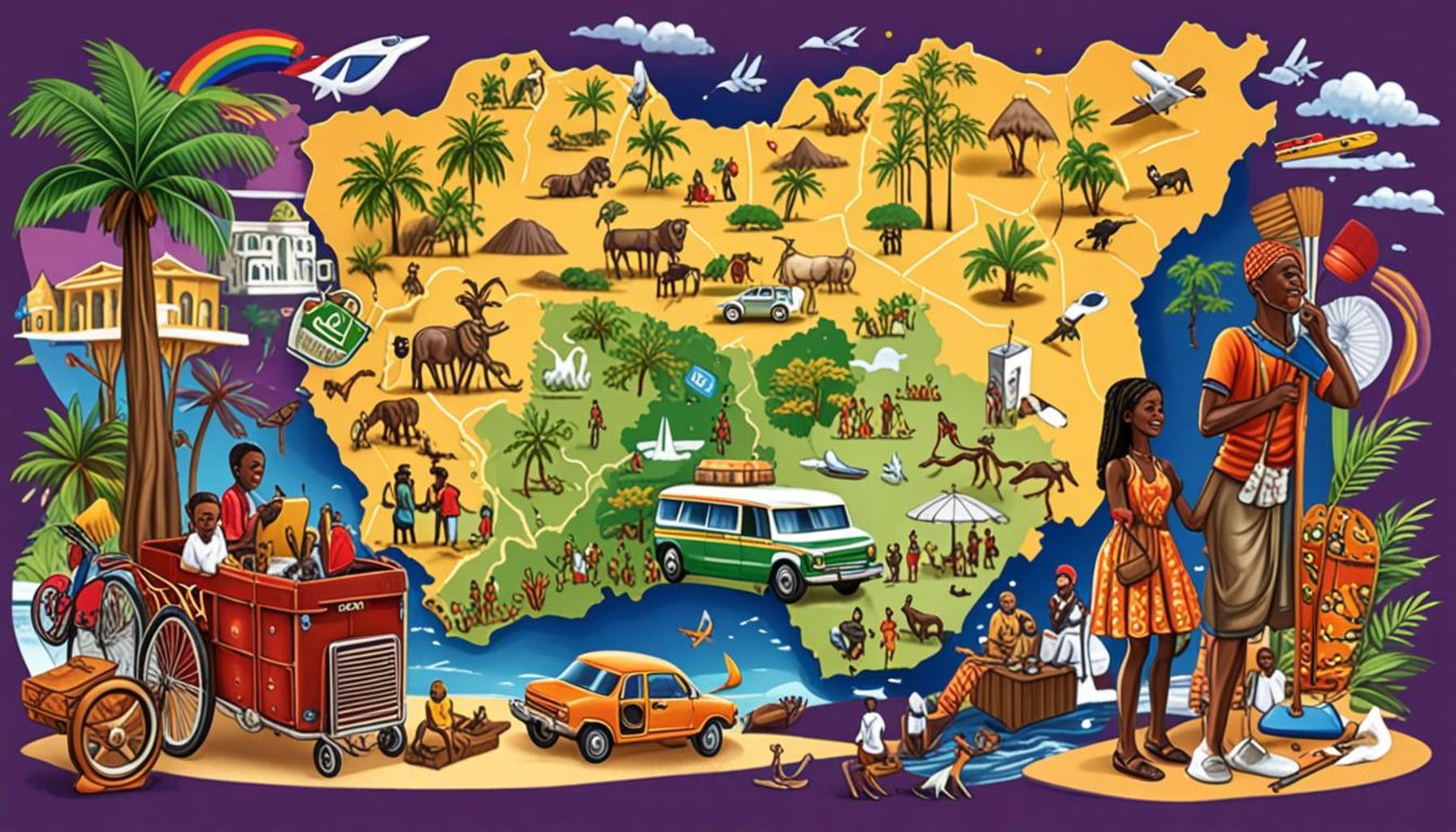
Exploring Nature: Logistics for Ecotourism Itineraries in Nigeria

Discovering Nigeria’s Ecotourism Potential
Stepping into the heart of Nigeria unveils a treasure trove of breathtaking landscapes and rich biodiversity. The nation’s diverse ecosystems, ranging from dense rainforests in the Southeast to sweeping savannahs in the North, beckon ecotourists seeking unparalleled experiences. Nigeria is home to a variety of natural wonders, including national parks such as Yankari National Park, where visitors can explore hot springs and an array of wildlife.
However, planning an ecotourism itinerary requires careful logistics. A successful journey through Nigeria’s natural beauty involves considerations such as:
- Access to Destinations: Knowing how to reach iconic sites like Olumo Rock, a historic rock formation in Abeokuta, or the Niger Delta, renowned for its intricate waterways and cultural richness, is essential. Detailed maps and guided tours can aid in this endeavor, ensuring travelers navigate through the labyrinth of landscapes that Nigeria is famous for.
- Transportation Options: Nigeria offers a range of transportation options that cater to different needs. Local buses are a budget-friendly choice, while private tours provide comfort and ease of access to remote areas. For a truly unique experience, consider canoeing through the lush mangroves of Cross River, where you might spot rare bird species and learn about indigenous fishing techniques.
- Accommodation: Finding sustainable lodging that respects the environment can enhance an ecotourism experience. Eco-lodges in areas like Bauchi offer not only comfort but also a chance to engage with local communities and understand their conservation efforts, making each visit meaningful.
- Seasonal Variations: Understanding the best times to visit is crucial in Nigeria. The rainy season typically runs from April to October, which can affect accessibility to various sites but also enlivens the landscapes with lush greenery. Alternatively, visiting during the dry season can provide opportunities to observe wildlife migrations, particularly in Niger State, where herds of wildlife gather around water sources.
Nigeria offers a unique blend of adventure and cultural immersion, creating a compelling argument for ecotourism. Navigating the logistics can be the difference between a well-planned trip and a chaotic adventure. Whether you opt for organized tours that provide guided experiences or self-planned expeditions into the wild, the choices are abundant and filled with surprises that can enrich your journey.
As we delve into the practical aspects of ecotourism itineraries, we uncover ways to maximize your experience while promoting sustainability and supporting local communities. The opportunity to engage with Nigeria’s natural beauty allows travelers not only to enlighten their spirits but also to contribute positively to the environment and communities they encounter. Prepare to embark on a journey that promises excitement, learning, and a deeper appreciation for Nigeria’s stunning settings.
ADDITIONAL INSIGHTS: Expand your understanding here
Navigating Nigeria’s Ecotourism Landscape
To truly experience the myriad of natural wonders Nigeria has to offer, potential ecotourists must weave together practical logistics that maximize enjoyment and sustainability. Not only does the rich biodiversity beckon, but so does the opportunity for meaningful engagement with local communities and ecosystems. Here, we delve into the essential components that shape effective ecotourism itineraries in Nigeria.
Making Sense of Travel Routes
One of the first steps in planning your ecological escapade is determining how to travel between Nigeria’s stunning venues. The nation’s extensive network of roads varies in quality from well-paved highways near urban centers to bumpy paths leading to rural reserves. When plotting your course, consider popular destinations such as Gashaka Gumti National Park, Nigeria’s largest national park, where rugged terrains and diverse flora and fauna await. Utilizing GPS and local maps can ease navigation, while engaging with knowledgeable guide services can enrich your understanding of the area.
Transportation Insights
Transportation plays a pivotal role in the logistics of your journey. A spectrum of options is available, tailored to different preferences and budgets:
- Local Buses: For those keen on saving costs, local buses present an economical means of transport. They operate across major routes and offer a glimpse into daily life, often leading to unexpected encounters.
- Private Car Rentals: For a more personalized experience, renting a car is advisable, especially if you wish to explore off-the-beaten-path destinations like Obudu Mountain Resort. This allows you to set your own pace and discover hidden gems along the way.
- Domestic Flights: Given Nigeria’s size, flying can be the most time-efficient way to travel long distances. Airlines operate routes that connect major hubs to key ecotourism sites, such as flights from Lagos to Calabar for access to pristine coastlines.
- Canoeing Adventures: Nothing quite compares to the experience of navigating the lush waterways in the Niger Delta. Canoeing not only provides a unique vantage point for observing wildlife but also enables deep cultural exchanges with local fishing communities.
Sustainable Stays
Accommodations can significantly enhance an ecotourist’s experience when they align with sustainability goals. Numerous eco-friendly lodgings across Nigeria promote environmentally responsible tourism while providing comfort to visitors. Locations such as the Greenlight Eco Resort in Akwa Ibom showcase local architecture and celebrate regional culture while supporting conservation efforts. Staying in these facilities not only ensures a restful night but also fosters engagement with local traditions, making your journey more enriching.
Now that the groundwork has been laid, understanding seasonal variations will be pivotal in optimizing your itinerary. Weather patterns directly influence accessibility and the visibility of wildlife, enhancing the overall experience. To savor Nigeria’s exquisite natural beauty, one must meticulously craft a roadmap that embraces logistics without compromising the innate essence of ecotourism.
| Advantages | Details |
|---|---|
| Sustainable Travel | Ecotourism itineraries promote environmental sustainability, helping to protect Nigeria’s rich biodiversity while supporting conservation efforts. |
| Cultural Awareness | Travelers engage with local traditions and customs, fostering cultural exchange and mutual respect between tourists and communities. |
| Economic Growth | By choosing ecotourism, visitors contribute to local economies, generating income that can enhance livelihoods and create new jobs. |
| Unique Experiences | Exploring Nigeria’s natural landscapes offers adventurous experiences, from wildlife watching to hiking in diverse ecosystems. |
In Nigeria, the perfect blend of adventure and sustainability awaits in ecotourism. The careful organization of logistics for eco-friendly itineraries ensures minimal impact on the environment while showcasing the country’s breathtaking natural beauty. Travelers can enjoy appreciate the vibrant ecosystems, such as the lush rainforests of Cross River National Park or the arid yet striking landscapes of Yankari National Park while learning about conservation practices. By choosing ecotourism in Nigeria, individuals not only enjoy enriching experiences but also contribute positively to the environment and communities they explore. These itineraries cater to those seeking fulfilling journeys that respect nature and promote sustainable methods of travel. With various activities tailored for every type of traveler, exploring Nigeria’s natural wonders guarantees a captivating journey that encourages responsible tourism.
CHECK OUT: Click here to explore more
Crafting Engaging Experiences in Nature
When planning your ecotourism itinerary in Nigeria, moving beyond logistics is vital to creating a memorable adventure. Immersing yourself in authentic experiences and forging connections with local communities can enrich your journey while supporting sustainable practices. Here we explore various aspects that contribute to a well-rounded ecotourism outing in Nigeria.
Engaging with Local Cultures
One of the most rewarding aspects of ecotourism is the opportunity to engage with local cultures. Nigeria is a mosaic of diverse tribes and ethnicities, each offering unique traditions and lifestyles. Participating in cultural tours allows you to learn firsthand about indigenous practices. For example, visiting the Ijaw people in the Niger Delta can provide insights into their fishing techniques and relationship with the waterways. You can also participate in traditional festivals, such as the Calabar Carnival, which showcases local heritage through vibrant music, dance, and cuisine.
Wildlife Tours and Conservation Efforts
Spending time with Nigeria’s wildlife can be exhilarating and educational. A visit to Yankari National Park offers prime game viewing opportunities, where tourists can spot elephants, baboons, and other remarkable species in their natural habitats. Engaging with local conservation initiatives, such as those focused on protecting the Cross River gorilla, can provide insights into the challenges these animals face and how you can contribute to their preservation.
Participating in guided wildlife tours also enhances the experience. Knowledgeable guides not only facilitate safe encounters but also share detailed information about ecological balance, local flora, and fauna identification. Such interactive engagement fosters a deeper appreciation for Nigeria’s environmental richness.
Food and Sustainability
The culinary landscape of Nigeria complements the ecotourism experience. Local foods symbolize tradition and sustainability, with an emphasis on farm-to-table practices. Exploring rural areas can lead you to organic farms where you might taste locally sourced dishes such as jollof rice or egusi soup. Engaging in cooking classes hosted by local chefs not only supports the community but also deepens your understanding of how indigenous ingredients can foster sustainable eating habits.
Seasonal Adventures and Special Events
Being mindful of Nigeria’s seasonal changes can significantly enhance your adventure. The dry season, typically between November and February, is ideal for exploration as access to parks and wildlife is generally high. Conversely, the rainy season can usher in a different aesthetic, with lush landscapes perfect for birdwatching or capturing stunning photography. Festivals, such as the Oro Festival in the southwest, can also align with seasonal visits, providing rich cultural experiences along with nature exploration.
Creating Lasting Connections
Ultimately, successful ecotourism in Nigeria thrives on building lasting connections—both with nature and the communities you visit. Embrace opportunities to volunteer through wildlife rehabilitation programs or partake in community-driven environmental activities. Not just a vacation, these interactions can lead to a deeper understanding of sustainability, continuity, and the nurturing of ecosystems. The goal is to leave behind a positive legacy while enjoying the treasures of Nigeria’s landscapes.
By incorporating these diverse experiences into your itinerary, you give yourself the chance to witness not only the breathtaking beauty of Nigeria’s nature but also the vibrant cultures that call it home. Engaging fully with the rich tapestry of life will cultivate an unforgettable adventure while promoting the principles of ecotourism that protect the environment and uplift local communities.
YOU MAY ALSO LIKE: Read read another article
Conclusion: Embracing the Ecotourism Journey in Nigeria
As we navigate the rich tapestry of ecotourism in Nigeria, it’s clear that creating an exceptional itinerary goes beyond simply charting a course through scenic landscapes. The true essence of exploring nature lies in embracing the myriad of experiences offered across Nigeria’s stunning ecosystems. With its diverse wildlife, vibrant cultures, and commitment to sustainability, Nigeria stands as a beacon for responsible travel enthusiasts.
Crafting your adventure involves an intricate dance between logistics and profound engagements—whether you’re connecting with the traditional practices of the Ijaw people or participating in conservation efforts to protect endangered species. Your choices can significantly contribute to the well-being of both the environment and the local communities that warmly welcome you.
Moreover, immersing yourself in Nigeria’s culinary delights and celebrating local festivals enriches your travel experience, underscoring the importance of cultural appreciation in the ecotourism narrative. Remember that timing can enhance your adventures; the seasonal variations offer unique charms that cater to every wanderer’s interests, from birdwatching in lush greenery to experiencing vibrant local festivities.
In essence, planning your ecotourism itinerary in Nigeria invites you to leave a positive footprint while forging connections that transcend typical vacations. By choosing to engage with the beauty of nature and the spirit of its people, you not only enrich your own life but also contribute to a sustainable future for Nigeria’s cultural and environmental heritage. So pack your bags and prepare for an unforgettable journey that promises to inspire, educate, and uplift—both you and the communities you explore.