Nigeria in Colors: Cultural Itineraries to Discover Local Festivals and Celebrations
Discovering Nigeria’s Festivals: A Celebration of Life and Culture
Nigeria, often referred to as the “Giant of Africa,” is a vibrant nation characterized by a myriad of cultures, traditions, and celebrations that reflect its rich historical background. Each festival presents not only an occasion for entertainment but also an important opportunity to showcase the values, beliefs, and practices of Nigeria’s diverse ethnic groups. From the buzzing urban centers to the tranquil rural landscapes, festivals punctuate the yearly calendar and offer unforgettable experiences for both locals and tourists alike.
Cultural Diversity: With over 250 ethnic groups, Nigeria boasts an incredible variety of festivals. For instance, the Durbar Festival, celebrated predominantly in the northern states, sees the Emirs and their subjects come together for a magnificent horse parade, showcasing skill and camaraderie. Similarly, the Eyo Festival, which takes place in Lagos, is a unique Yoruba tradition that commemorates the passing of prominent chiefs and showcases stunning masquerades that dazzle locals and visitors alike.
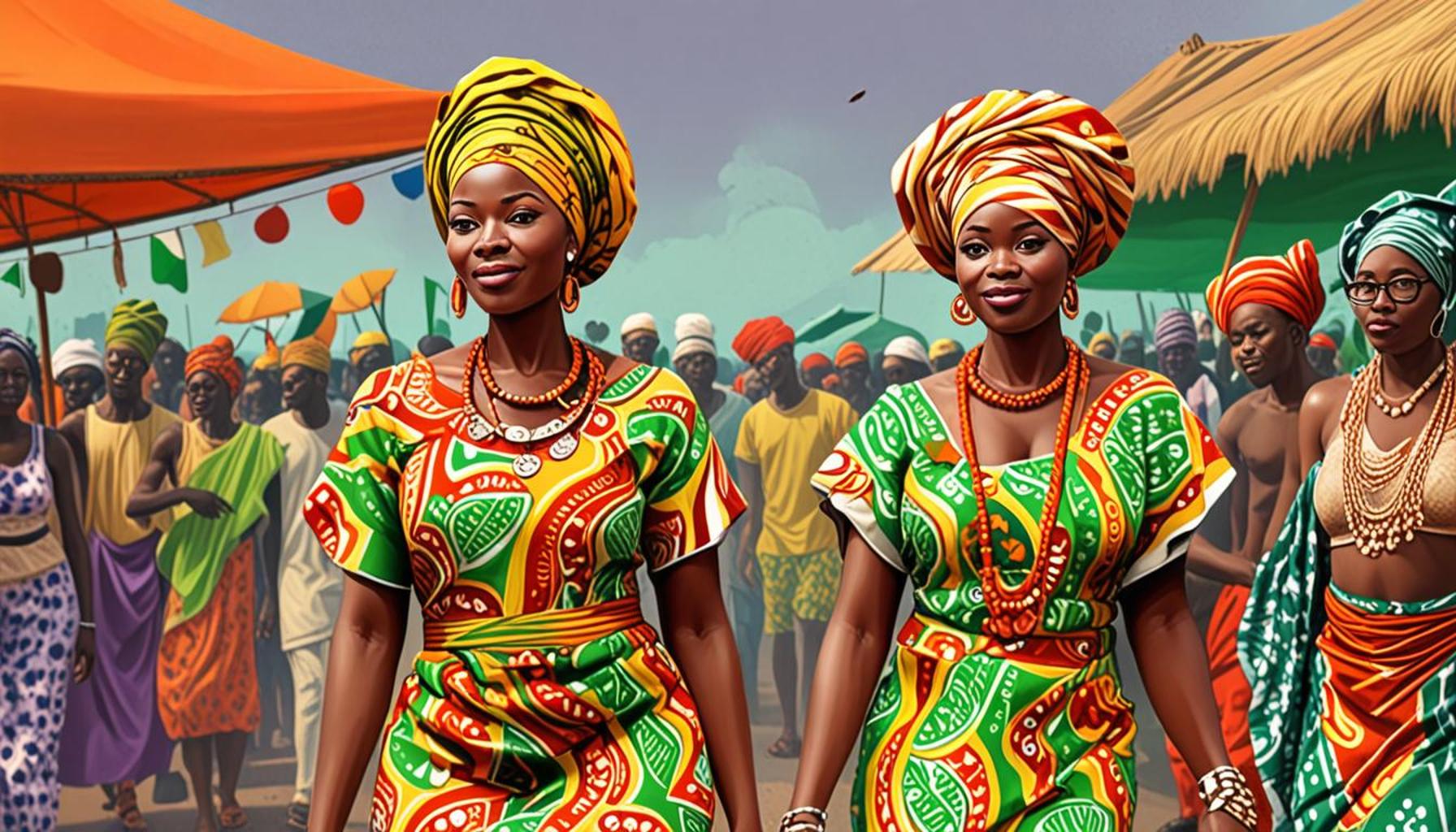
Colorful Celebrations: The visual aspect of these festivals is undoubtedly one of their most captivating features. Traditional attire often rules the day; at events like the Calabar Carnival, participants don extravagant costumes adorned with beads and feathers, turning the streets into a stunning spectacle of color and creativity. Live performances at such events include traditional dances and contemporary music, creating a palpable energy that is felt throughout the crowds.
Community Spirit: Festivals are more than just occasions for celebration; they embody a deep sense of community. Events like the Arugba Festival in Osun State bring families and community members together as they partake in rituals designed to invoke blessings and prosperity. These gatherings instill a feeling of belonging and unity, allowing individuals to connect with their heritage and with each other.
Imagine immersing yourself in the enchanting atmosphere of the Osun-Osogbo Festival, where pilgrims journey from far and wide to pay homage to the river goddess, Osun. The festival features vibrant processions, traditional songs, and the meticulously performed ritual rites that reflect the community’s enduring bond with their spirituality and the environment.
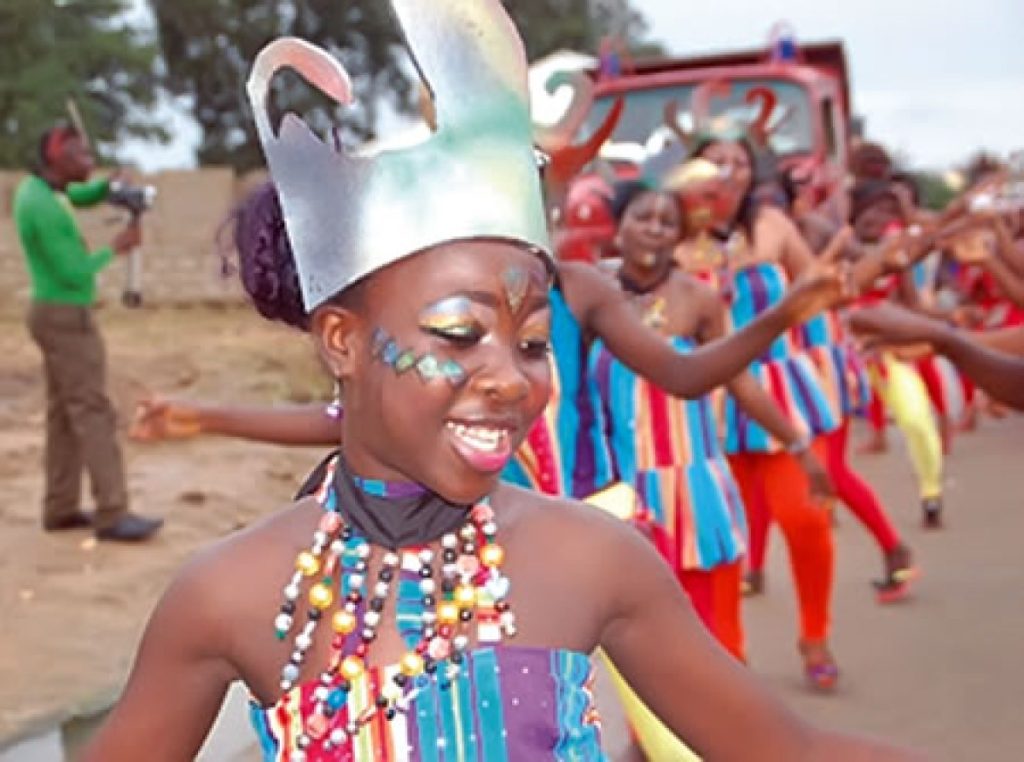
This article will take you through some of Nigeria’s most significant festivals, revealing the stories and histories that underpin these local celebrations. As you delve into this exciting exploration, prepare to engage with the colorful world of Nigerian festivity, where every event tells a story and each dance step echoes a tradition. Get ready to uncover a pulsating rhythm of life, culture, and joy that is uniquely Nigerian.
LEARN MORE: This related article may interest you
Exploring Nigeria’s Rich Tapestry of Festivities
Nigeria’s multifaceted cultural landscape comes alive during festivals, where the colors of tradition weave a story as captivating as the people who inhabit this incredible nation. Each region boasts its unique celebrations, often rooted in ancient customs that have transcended generations. Get ready to explore the kaleidoscope of local festivities that reveal what it means to be Nigerian.
Cultural Significance: Every Nigerian festival is intertwined with cultural identity and social memory. The Igbo New Year, celebrated in January, for instance, is a time when families reunite, and friends gather to reflect on the past year. It is marked by feasting, traditional music, and a prayer for good fortune in the coming months. Similarly, the Lagos Carnival, typically held in March, symbolizes a fusion of cultural heritage and modernity, transforming the city into a playground of vibrant parades, dance, and musical performances that attract thousands of spectators from both near and far.
Regional Highlights: To grasp the essence of Nigeria, immersing oneself in regional festivals is essential. Here are just a few notable celebrations you should consider adding to your travel itinerary:
- Argungu Festival: Located in Kebbi State, this historic festival celebrates the end of the fishing season with an exciting fishing competition, cultural displays, and traditional sports that unite the community.
- New Yam Festival: A significant event for the Igbo people, this August celebration marks the harvest of yams, featuring cultural dances, the wearing of traditional attire, and the offering of the first yam to ancestors, signifying gratitude for a bountiful harvest.
- Gerewol Festival: Unique to the Wodaabe nomads in Niger, but often celebrated in Nigeria, this festival highlights beautiful Matewy, a courtship ritual where young men adorn themselves in colorful attire and makeup, competing in dance and beauty for a chance to win the hearts of eligible young women.
Artistic Expressions: One cannot overlook the artistry entwined with these festivals. The Calabar Carnival, which boasts the title of “Africa’s Biggest Street Party,” offers a dazzling display of creativity through elaborate costumes, floats, and performers. Streets pulsate with traditional drumming and exhilarating dance, while artists line the avenues to showcase their crafts. The vibrant expressions during these festivals resonate not only with the participants but with the audience, encouraging deeper appreciation for the rich artistic heritage embedded within these events.
As you prepare to journey through Nigeria’s remarkable celebrations, remember that every festival is a chapter in the country’s ongoing narrative—a testament to resilience, unity, and the enduring spirit of its people. Whether you find yourself in the thick of a colorful parade or participating in sacred rites, the experience is sure to leave an indelible mark on your understanding of this diverse and spirited nation.
Nigeria in Colors: Cultural Itineraries to Discover Local Festivals and Celebrations
Nigeria, a vibrant tapestry of cultures, offers a rich array of local festivals that bring together traditions, music, dance, and culinary delights. Each festival presents a unique opportunity to immerse oneself in the enchanting diversity of Nigerian heritage. These celebrations are more than just events; they are windows into the soul of Nigeria, offering visitors a chance to experience the nation’s history, creativity, and community spirit.
Among the celebrated festivals, the Osun-Osogbo Festival stands out as a significant annual event held in Osun State. It honors the river goddess Osun and showcases traditional rituals, artistic displays, and community bonding. Similarly, the Durbar Festival in Kano is a magnificent spectacle of horse riding and traditional attire, demonstrating the rich history of the northern emirates.
One cannot overlook the Calabar Carnival, known as Africa’s biggest street party, which attracts thousands of visitors each December. This vibrant festival is marked by elaborate costumes, energetic performances, and a showcase of cultural pride that highlights the best of southern Nigerian artistry.
For those looking to explore the captivating mix of contemporary and traditional practices, the International Arts and Crafts Expo held in Abuja is an enlightening experience. It serves as a platform for artisans to display their craftsmanship, giving visitors insight into the region’s artistic expression and local creativity.
These festivals provide an ideal backdrop for tourists and locals alike to engage with Nigerian culture, fostering connections that transcend borders and promote cultural understanding. Whether you are dancing to the rhythm of drums or savoring local dishes, partaking in these celebrations is a fulfilling journey that highlights Nigeria’s rich cultural heritage.
| Cultural Itinerary | Key Features |
|---|---|
| Osun-Osogbo Festival | Honors the goddess Osun through rituals and cultural displays. |
| Durbar Festival | Features traditional horse riding and elegance of northern royalty. |
| Calabar Carnival | A vibrant cultural street party showcasing festive creativity. |
| International Arts and Crafts Expo | Platform for artisans to showcase their unique craftsmanship. |
Delving into Nigeria’s colorful festivals offers not just an invite into their traditions, but also an experience that resonates with the heart and spirit of the people. The journeys through these cultural itineraries are a celebration of diversity, unity, and pride, beckoning enthusiasts to uncover stories that live vibrantly within the land.
SEE ALSO: Click here to read another article
Vibrant Celebrations: The Beat of Nigeria’s Cultural Heart
In Nigeria, festivals are much more than mere events; they are a profound expression of community spirit, cultural heritage, and shared identity. Each celebration tells a story, often through music, dance, and theatre that bring together the richness of cultural narratives. Delving into these cultural itineraries not only opens a window to the soul of Nigeria but also reflects the country’s journey through history, spirituality, and the arts.
Musical Heritage: A pivotal element of most Nigerian festivals is the music, which transcends mere entertainment. The Onitsha Market Festival showcases this beautifully with its blend of contemporary and traditional Igbo music performed by both local and renowned artists. The rhythms and melodies act as an invitation for locals and visitors alike to participate, creating a shared space where community bonds are tightened through performance art. Similarly, the Fela Festival in Lagos pays homage to the legendary Afrobeat innovator Fela Kuti, celebrating his musical legacy with concerts, discussions, and art exhibitions that resonate across age groups.
Culinary Traditions: No Nigerian festival is complete without its unique culinary offerings. The Eyo Festival in Lagos not only highlights the vibrancy of the masquerades but also features local delicacies like *jele*, *puff-puff*, and *peppered snails*. Each dish is steeped in history, symbolizing the rich influence of diverse ethnicities in the region. This culinary celebration provides a sensory experience that allows visitors to taste the culture while mingling with locals eager to share their food traditions.
Spiritual and Traditional Festivals: Many festivals also have a deep spiritual significance. The Sango Festival, held in Oyo State, honors the Yoruba god of thunder and lightning, blending religious traditions with cultural displays. Participants gather to celebrate with music, prayers, and reenactments of Sango’s legendary feats, illustrating the interconnectedness of spirituality and culture in Nigerian life. Furthermore, the Osun-Osogbo Festival, dedicated to the river goddess Osun, sees thousands converge on Osogbo to partake in rituals that reinforce community cohesion and cultural pride. It underscores the vital role of waterways in the life of the people, intertwining faith with festive fervor.
Eclectic and Historical Festivities: The appeal of Nigeria’s festivals is undeniably diverse. The Gani Fawehinmi Festival pays tribute to the late human rights lawyer with a week-long event featuring poetry recitals, drama, and discussions about social justice. This celebration stimulates discourse on current issues and honors the legacy of activism, drawing participants into meaningful conversations about the future of Nigeria. On another note, the Kris Kringle Festival, celebrated particularly in the Northern regions, embraces a blend of Nigerian and Western traditions, illustrating the country’s ability to adapt and integrate various cultural influences, thus enriching its cultural fabric.
As travelers navigate Nigeria’s festival landscape, they become participants in a dynamic tapestry that speaks volumes about tradition, modernity, resilience, and joy. Through engaging, celebrating, and immersing themselves in these vibrant events, they gain firsthand experience of what it truly means to live “in colors,” resonant within every corner of this remarkable nation.
CHECK OUT: Click here to explore more
Discovering the Essence of Nigeria Through Festivals
In conclusion, Nigeria stands as a vibrant mosaic of cultures, history, and traditions that come alive through its myriad of local festivals and celebrations. Each festival is not merely an event on the calendar; it is a cultural itinerary that invites individuals to experience the heart of Nigeria. From the energetic Onitsha Market Festival that showcases the nation’s musical prowess, to the soul-stirring Osun-Osogbo Festival steeped in spirituality, and the culinary delights at events like the Eyo Festival, these celebrations reflect the unique heritage and collective identity of Nigeria’s diverse ethnic groups.
Navigating through these festivities offers a chance to witness the creativity, resilience, and communal spirit that bind the nation. As individuals immerse themselves in traditional dances, taste authentic local dishes, and engage in spiritual rituals, they not only revel in the festivities but also contribute to preserving Nigeria’s rich cultural narratives. For both local and international visitors, these journeys through Nigeria in colors are the perfect opportunity to connect with the essence of what it means to be part of this dynamic nation.
Encouraging exploration beyond the conventional tourist path, Nigeria’s festivals are gateways to understanding the deeper stories that shape its people and their practices. As you plan your next adventure, consider delving into the vibrant festivals across Nigeria; they promise an enriching experience that will linger long after the celebrations end. Embrace the colors, relish the diversity, and celebrate the unity that resides within Nigeria—an unforgettable journey awaits.