Ecotourism Itineraries: Exploring National Parks and Nature Reserves of Nigeria

Explore the Untouched Wonders of Nigeria
Nigeria is an ecological paradise, overflowing with a wealth of natural resources that captivate both local and international tourists. It boasts a rich tapestry of landscapes encompassing savannahs, rainforests, and coastlines, all of which contribute to its status as a premier ecotourism destination. Visitors can discover everything from breathtaking natural formations to unique wildlife, fostering a deep connection with the environment while embracing sustainable tourism practices.
Wildlife Diversity
Among the most compelling attractions are Nigeria’s endangered species. The Cross River gorilla, which resides primarily in the dense forests of Cross River National Park, represents a critical link in the biodiversity chain. Efforts to protect its habitat are vital, and ecotourists can participate in guided tours that raise awareness and funds for conservation. Similarly, spotting the elusive African manatee while cruising through the rivers can be a magical experience. This gentle giant plays a critical role in maintaining aquatic ecosystems, showcasing the interdependence of wildlife with their habitats.
Scenic Beauty
Beyond wildlife, Nigeria’s landscapes are equally enchanting. For stunning vistas, the Obudu Mountain Resort is a must-visit. This resort is perched high in the mountains, offering cool climate and sweeping views that stretch far beyond the horizon. Visitors can partake in activities like hiking on the mountainous terrain or enjoying the exhilarating cable car rides that showcase the natural beauty from above. Additionally, the tranquil Kanji Lake is perfect for those looking to unwind. Surrounded by historical landmarks and rich wildlife, the area provides an idyllic backdrop for picnicking or birdwatching.
Cultural Heritage
Nigeria’s natural parks are not solely about the flora and fauna; they are also a gateway to cultural experiences. Engaging with local communities offers an enriching perspective on traditional lifestyles intertwined with nature. For instance, the picturesque landscapes of the Yankari National Park allow visitors to connect with the indigenous tribes, learning about their age-old customs and sustainable farming practices. This interaction fosters a sense of respect and appreciation for the rich cultural heritage that exists alongside Nigeria’s natural wonders.
When planning your itinerary, consider the various activities that align with your interests—be it trekking through dense forests, witnessing rare bird species during birdwatching expeditions, or simply immersing yourself in the serene beauty of unspoiled landscapes. Each park presents an opportunity for an adventure that caters to all levels of experience.
By choosing to explore these natural treasures, you contribute positively to the local economy and support ongoing conservation efforts. Your trip not only generates income for local communities but also raises awareness about the importance of protecting Nigeria’s unique ecosystems. As you prepare for your journey, remember that your participation in ecotourism can lead to a brighter future for both nature and the communities that call it home.
Embrace the adventure and witness firsthand the breathtaking natural wonders Nigeria has to offer!
CHECK OUT: Click here to explore more
Embarking on Ecological Adventures: Top National Parks and Nature Reserves
When it comes to ecotourism in Nigeria, the nation’s vivid national parks and nature reserves are at the heart of the adventure. These protected areas not only showcase the breathtaking beauty of Nigeria’s diverse landscapes but also serve as crucial habitats for an array of wildlife. From verdant rainforests to expansive savannahs, each locale offers unique opportunities for exploration and reflection. Here are some of the premier destinations that should make it to your ecotourism itinerary:
1. Cross River National Park
This UNESCO World Heritage site is home to some of the last remaining rainforests in the region. The park is known for its vibrant biodiversity, with over 300 species of birds, and it plays host to endangered species such as the Cross River gorilla. Ecotourists can indulge in birdwatching, mountain hiking, and guided nature walks that reveal the secret lives of the park’s diverse inhabitants. Additionally, participating in conservation programs within the park fosters a sense of responsibility towards preserving these critical ecosystems.
2. Yankari National Park
Yankari National Park is a prime example of Nigeria’s ecological variety, showcasing expansive savannah areas and rich wildlife populations. It is famous for its natural warm springs, where visitors can relax and rejuvenate. Wildlife enthusiasts will relish the chance to see elephants, buffaloes, and various antelope species in their natural habitat. Engaging with local tribes enhances this experience, as visitors gain insights into sustainable practices and cultural traditions that have coexisted with nature for generations.
3. Okomu National Park
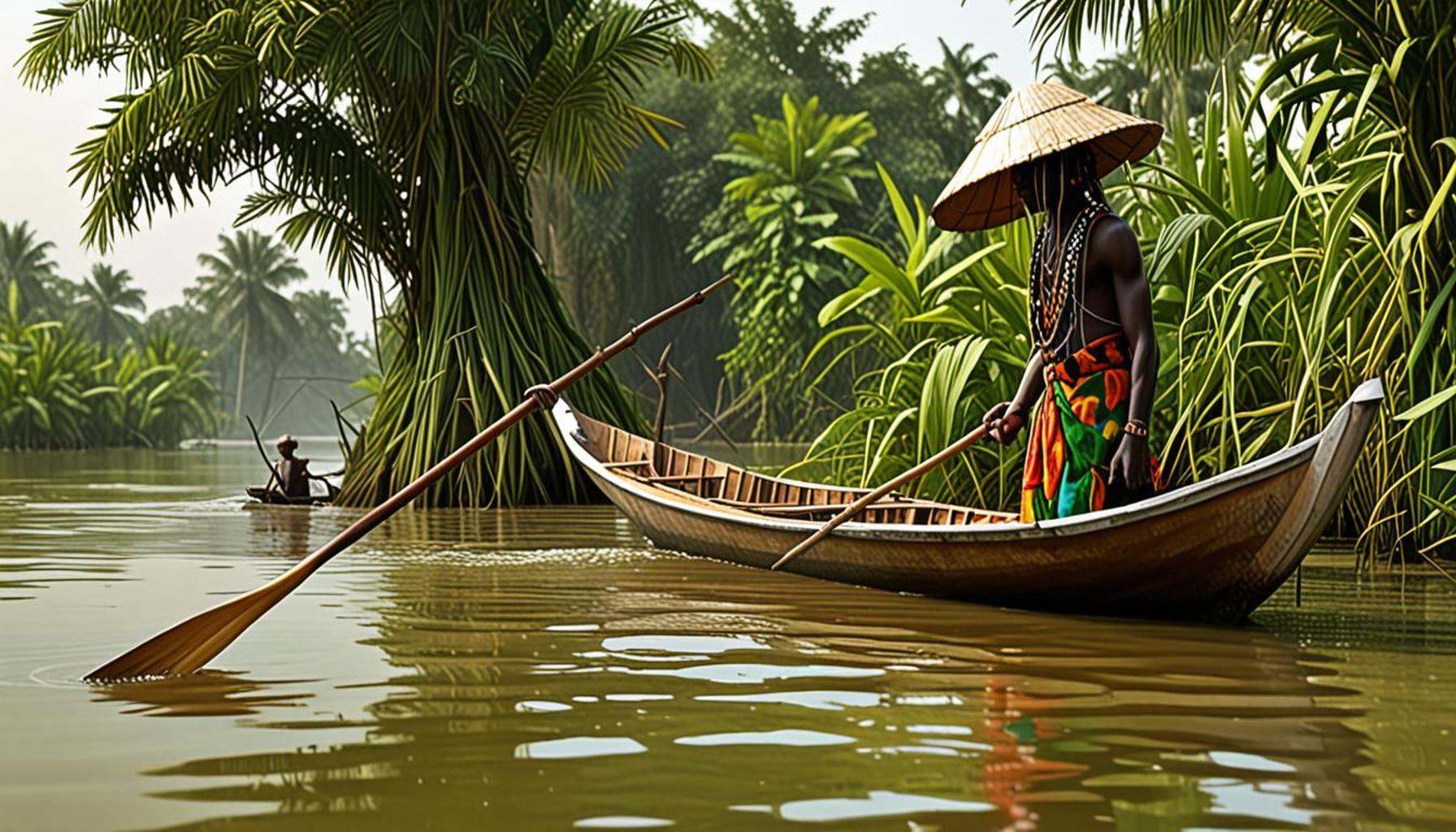
Located in Edo State, Okomu National Park represents one of the last remaining stands of rainforests in southern Nigeria. Its remarkable biodiversity includes the endangered white-throated monkey, and several endemic bird species. Adventurers can explore its mangrove swamps and grasslands, with opportunities for canoeing along the waterways. Guided tours here often highlight the significance of protecting these fragile ecosystems while providing opportunities to marvel at the unique flora and fauna.
4. Afi Mountain Wildlife Sanctuary
The Afi Mountain Wildlife Sanctuary is integral to protecting the endangered wildlife of Nigeria. It is particularly known for its efforts towards gorilla conservation. Adventurers can trek through the mountainous terrain to witness various species, including the endangered drill monkey. The scenic views, combined with the thrill of potential wildlife sightings, make this sanctuary a must-visit for ecotourists craving excitement and exploration.
As you plan your itinerary, consider including a mix of activities, such as:
- Birdwatching in the rich skies of Yankari National Park.
- Hiking through the rugged terrain of Cross River National Park.
- Canoeing in the tranquil waters of Okomu National Park.
- Engaging in community conservation efforts at Afi Mountain Wildlife Sanctuary.
These parks and reserves provide not only a chance for exploration but also an opportunity to participate in the preservation of Nigeria’s natural heritage. Getting involved in local conservation projects enhances your travel experience, providing a deeper understanding of the intrinsic link between culture and biodiversity. Embrace this unique chance to discover the stunning diversity Nigeria has to offer while contributing to the conservation and protection of its remarkable natural landscapes.
| Category | Description |
|---|---|
| Sustainable Engagement | Ecotourism fosters a deeper connection with the environment through sustainable practices. |
| Biodiversity Awareness | Learn about Nigeria’s rich wildlife and its conservation importance. |
| Community Empowerment | Travelers support local communities and economies through ecotourism. |
| Adventure and Exploration | Embark on breathtaking trails and tours across Nigeria’s National Parks. |
Exploring Nigeria’s national parks and nature reserves offers an array of experiences that not only cater to adventure-seekers but also promote the core principles of ecotourism. For instance, travelers have the opportunity to engage with local communities, ensuring that their visits translate into tangible benefits for all involved. This immersive experience enhances awareness of the unique biodiversity of Nigeria, drawing attention to the need for conservation and responsible tourism practices. Furthermore, ecotourism itineraries often include guided treks through diverse ecosystems, where you can observe wildlife up close while learning about the delicate balance of these habitats. Whether you are hiking in the lush forests of Cross River National Park or bird-watching in the wetlands of Okomu National Park, the thrill of exploring Nigeria’s natural treasures promises to be both educational and unforgettable. Leveraging this aspect of travel not only enriches your journey but also strengthens the commitment to preserving the natural beauty that is inherent to Nigeria’s national parks. With each visit, you become a part of the larger narrative of conservation and sustainability, promoting the idea that exploring nature can lead to its protection.
CHECK OUT: Click here to explore more
Immersing in Unique Ecosystems: More National Parks and Reserves to Explore
Building on the rich tapestry of Nigeria’s ecological offerings, there are various other national parks and nature reserves that await your exploration. Each of these destinations not only presents breathtaking landscapes but also provides enlightening experiences through environmental education and wildlife conservation. Here’s a closer look at some additional must-visit locations on your ecotourism itinerary:
5. Gashaka Gumti National Park
As the largest national park in Nigeria, Gashaka Gumti National Park straddles both Taraba and Adamawa states and boasts stunning topography that ranges from savannah to lush forests. This biosphere reserve is home to diverse wildlife, including chimpanzees, elephants, and various species of birds. Adventurers can embark on extensive trekking routes that weave through the lush hills, offering spectacular views of the surrounding natural beauty. The park also provides eco-lodges that allow visitors to immerse themselves completely in this breathtaking wilderness.
6. Kainji National Park
Situated around the Kainji Lake, this park represents a vital ecological area, enriched with hills, savannahs, and riverine ecosystems. Kainji National Park is known for its rich cultural heritage and is home to several ethnic groups that add depth to the experience of visitors. The park features numerous wildlife species, including hippopotamuses, crocodiles, and several antelope types. Adventure seekers can engage in activities such as boating on the lake, fishing, and wildlife viewing, all while enjoying the serenity of this beautiful environment.
7. Oban Hills Division of Cross River National Park
This lesser-known gem of the Cross River National Park offers an incredible backdrop for ecotourism. The Oban Hills division is primarily undisturbed, with thick rainforest cover guaranteeing ample opportunities for biodiversity sightings. Here, you might spot drills, pangolins, and a plethora of bird species that make this region their home. Guided rainforest treks give visitors the chance to understand the intricate web of life that exists within this ecosystem, emphasizing the importance of conservation in maintaining these vital habitats.
8. Olokun Nature Reserve
For those looking to explore coastal ecosystems, the Olokun Nature Reserve in Ogun State presents the perfect alternative. This marine reserve spans over coastal wetlands, mangroves, and estuaries, making it a sanctuary for numerous bird species and marine life. Visitors can look forward to canoe trips through mangrove channels while observing unique fauna and engaging local fishermen to learn sustainable fishing techniques.
As you chart out your ecotourism itinerary, integrating activities that promote stewardship towards these environments is crucial. Some recommendations include:
- Trekking through the breathtaking hills and valleys of Gashaka Gumti National Park.
- Kayaking in the tranquil waters of Kainji Lake, while spotting diverse wildlife.
- Exploring the untouched rainforest trails in the Oban Hills division.
- Engaging local communities at the Olokun Nature Reserve to learn about conservation and sustainable practices.
The opportunity to engage in ecotourism across Nigeria’s national parks and nature reserves fosters not only a deeper appreciation for the country’s natural beauty but also highlights the critical effort required to maintain these ecosystems. By participating in conservation and community-based programs, travelers contribute significantly to preserving Nigeria’s remarkable natural heritage, ensuring its splendor for generations to come. Through immersive experiences and responsible tourism practices, adventure seekers can forge a lasting bond with Nigeria’s rich biodiversity while advocating for its preservation.
CHECK OUT: Click here to explore more
Conclusion: Embracing Nigeria’s Ecotourism Potential
In conclusion, ecotourism itineraries that explore Nigeria’s national parks and nature reserves offer travelers an unparalleled connection to the country’s rich biodiversity and stunning landscapes. From the expansive savannahs of Gashaka Gumti National Park to the serene beauty of Kainji National Park, each destination presents unique opportunities to engage with nature while promoting sustainable practices. These parks not only serve as hotspots for adventure but also as crucial habitats for endangered species, emphasizing the importance of environmental conservation.
As you embark on your journey across these magnificent ecosystems, it is essential to embrace the philosophy of responsible tourism. Engaging with local communities and participating in conservation efforts will help ensure that the natural wonders of Nigeria are preserved for future generations. Whether you are trekking through the untouched trails of the Oban Hills or kayaking in the pristine waters of the Olokun Nature Reserve, every experience contributes to a broader understanding of the delicate balance between human interaction and wildlife conservation.
Moreover, as more travelers choose ecotourism, Nigeria’s potential as a prime destination for environmentally conscious explorers is set to flourish. With each visit, you not only enrich your own life through unforgettable experiences but also play a part in the collective effort to safeguard the natural beauty of Nigeria. This transformative journey into the heart of nature awaits, inviting both seasoned adventurers and new explorers to uncover the treasures of Nigeria’s ecological heritage.