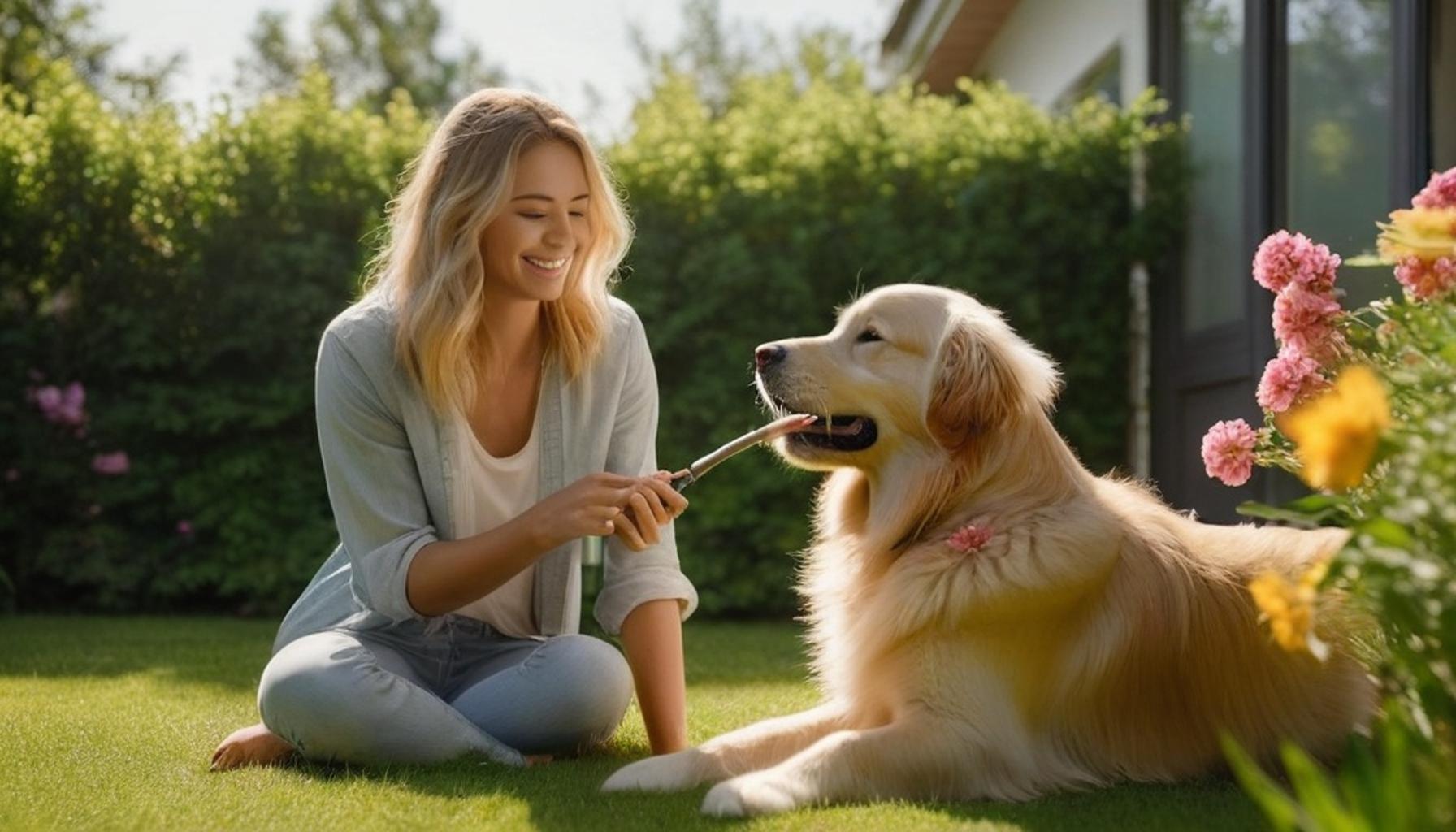
Pet hygiene practices and their impact on the behavioral management of dogs and cats

Why Cleanliness Shapes More Than Just Your Pet’s Coat
Across Nigerian homes, from Lagos apartments to Abuja compounds, dogs and cats are increasingly treated as family members rather than mere guard animals. Yet many pet owners overlook a critical connection: pet hygiene practices directly influence how animals behave, react, and bond with their households.
A dog with itchy, unkempt fur may become irritable or destructive, chewing furniture or barking excessively at the slightest provocation. A cat with dirty litter often develops anxiety-driven habits like inappropriate elimination, sometimes choosing corners of the house instead of its designated box. These are not random occurrences—they are signals. In many cases, what owners dismiss as “stubbornness” or “bad temperament” is actually a physical response to discomfort caused by neglecting basic grooming routines.
The Hidden Link Between Cleanliness and Behavior
Veterinary behaviorists have long noted that hygiene tips for pets go beyond aesthetics. Poor grooming routines can trigger stress hormones, leading to aggression, excessive licking, or withdrawal. In humid Nigerian climates, especially during the rainy season, fur and skin conditions can worsen rapidly if left unattended, creating a breeding ground for fleas, ticks, and fungal infections that further compound behavioral changes.
- Matted fur causing skin irritation and discomfort
- Dirty ears leading to head-shaking and irritability
- Unclean litter boxes triggering avoidance behaviors in cats
- Poor dental hygiene contributing to reduced appetite and mood shifts
This growing body of evidence highlights the impact of hygiene on pets behavior in ways many owners never anticipated. A seemingly harmless skipped bath or ignored ear cleaning session can snowball into weeks of unpredictable moods, making an otherwise friendly animal seem distant or reactive.
What This Article Will Explore
Understanding dog hygiene management and cat grooming importance isn’t just about appearance—it’s about preventing common behavioral issues in dogs and cats. Nigerian pet owners, often navigating limited access to veterinary resources, stand to benefit significantly from practical, low-cost solutions that fit local realities, whether in bustling urban centers or quieter rural settings.
This article breaks down the science behind pet cleanliness and behavior, offering actionable routines suited to local climates and lifestyles. Readers will discover how simple grooming habits, some requiring nothing more than a soft brush or a homemade solution, can transform an anxious pet into a calm, well-adjusted companion.
SEE ALSO: Environmental enrichment as a tool to improve hygiene and nutritional health of pets
The Science Behind Grooming Routines and Animal Temperament
Veterinary research increasingly confirms what many attentive pet owners have suspected for years: physical discomfort translates directly into behavioral distress. When a dog’s coat harbors fleas, ticks, or matted patches, cortisol levels rise, the same stress hormone responsible for anxiety in humans. This chemical shift often manifests as growling, snapping, or sudden aggression toward familiar people.
Cats respond differently but equally dramatically. A feline dealing with dirty paws, unclean fur, or a neglected litter box may retreat under furniture for days, refusing affection or food. Nigerian veterinarians working across Lagos, Port Harcourt, and Kano have reported a noticeable pattern: pets brought in for “aggression” or “withdrawal” frequently show underlying skin infections, ear mites, or dental decay that owners never connected to behavior.
What makes this connection particularly fascinating is the timeline involved. Behavioral shifts do not require months of neglect to appear. Some clinics in Abuja have documented noticeable temperament changes within a week of hygiene lapses, especially during Nigeria’s humid rainy season when parasites multiply rapidly and skin irritations worsen. This seasonal pattern suggests that climate itself plays a silent role in shaping how frequently animals need grooming attention, a detail many households overlook until symptoms become severe.
How Poor Hygiene Triggers Specific Behavioral Issues
Understanding pet hygiene practices requires recognizing the specific chain reaction between neglect and misbehavior. It rarely happens overnight. Instead, small hygiene lapses accumulate until an animal’s discomfort becomes unbearable, and behavior shifts accordingly.
- Fleas and ticks causing constant scratching, leading to restlessness and sleep disruption
- Overgrown nails altering gait, making dogs reluctant to walk or play
- Ear infections producing sensitivity to touch, resulting in defensive biting
- Bad breath and gum disease reducing willingness to eat, causing irritability
- Soiled bedding attracting parasites that intensify nighttime restlessness
This is precisely why dog hygiene management cannot be treated as an occasional chore reserved for special occasions. Regular brushing, bathing, and nail trimming form a preventive system that keeps stress hormones stable and temperament predictable. Breeds common in Nigerian homes, such as the Boerboel and Caucasian Shepherd, carry dense coats that trap moisture and dirt particularly fast, making consistent grooming even more critical than owners might initially assume.
Why Cats Demand a Different Hygiene Approach
Unlike dogs, cats are naturally fastidious groomers, spending nearly 30 to 50 percent of their waking hours cleaning themselves. This makes cat grooming importance somewhat counterintuitive to new owners who assume felines require little intervention. However, self-grooming cannot address litter box hygiene, dental buildup, or matted fur in long-haired breeds.
Owners across Nigerian cities often underestimate how quickly a neglected litter box changes a cat’s behavior. Within just two or three days of infrequent cleaning, many cats begin avoiding the box entirely, choosing alternative spots that create tension within the household. This single detail illustrates the broader impact of hygiene on pets behavior, proving that cleanliness and temperament are inseparable, regardless of species.
Beyond litter boxes, dental hygiene remains an underappreciated factor among cat owners nationwide. Tartar buildup can cause silent pain that owners mistake for stubbornness or aloofness, when in reality the animal is simply avoiding discomfort. Recognizing these overlooked signals could transform how Nigerian households interpret everyday pet behavior, turning frustration into informed care.
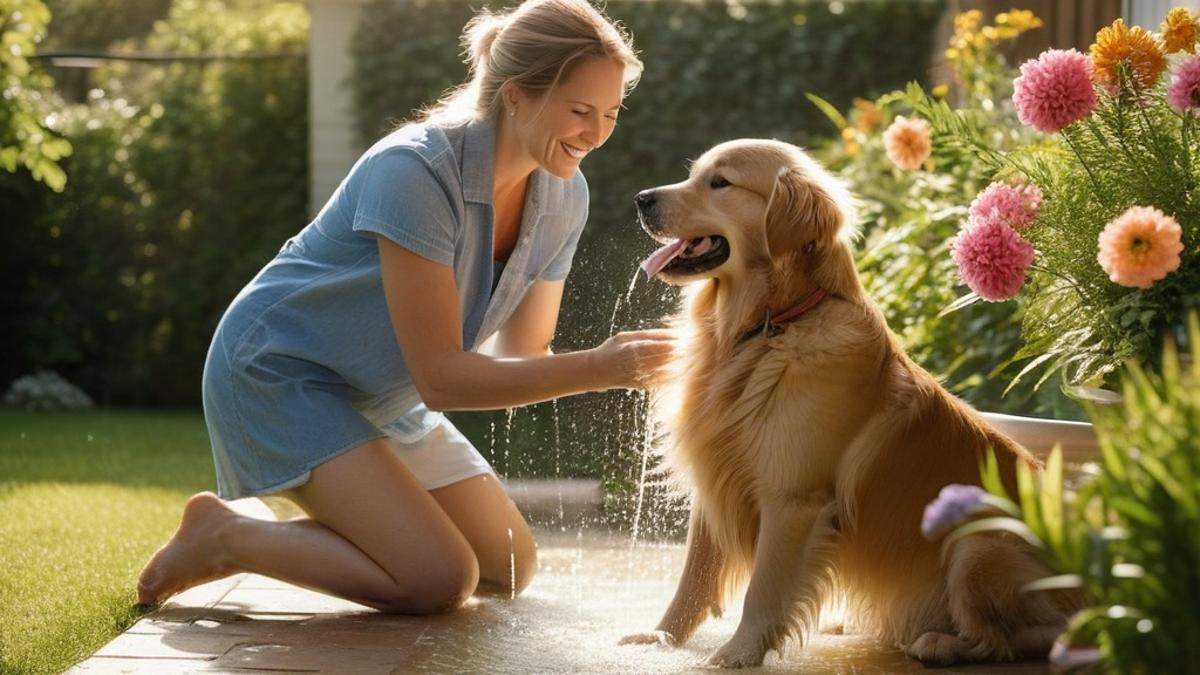
Pet Hygiene Practices and Behavioral Outcomes: A Closer Look
Understanding the connection between pet hygiene practices and daily behavior can transform how owners approach dog hygiene management and cat grooming importance. Studies suggest that hygiene tips for pets go beyond aesthetics, directly influencing anxiety levels, aggression, and social interactions.
| Hygiene Aspect | Behavioral Impact |
|---|---|
| Regular Bathing | Reduces skin irritation, lowering stress-induced scratching and biting episodes |
| Dental Care | Prevents pain-driven aggression and improves appetite regulation |
| Litter Box Maintenance | Minimizes territorial marking and inappropriate elimination in cats |
| Ear and Nail Trimming | Decreases discomfort-related withdrawal and defensive behaviors |
These findings highlight how pet cleanliness and behavior intertwine, offering a practical roadmap for reducing common behavioral issues in dogs and cats through consistent care routines.
LEARN MORE: Nutritional Care and Its Relationship with the Hygiene and Health of Pets
Building Sustainable Hygiene Routines That Reshape Behavior Long-Term
Establishing consistent pet hygiene practices is not simply about appearance. It functions as a behavioral intervention that most Nigerian pet owners have never framed correctly. Veterinarians in Ibadan and Enugu now recommend treating grooming schedules with the same seriousness as vaccination calendars, since both directly influence long-term temperament stability. This comparison might seem exaggerated at first glance, but clinical observations across several Nigerian cities suggest otherwise, revealing patterns that pet owners rarely connect to hygiene routines.
A structured routine removes guesswork from pet care. Rather than reacting to visible dirt or sudden aggression, owners who follow scheduled hygiene practices prevent problems before they surface. This proactive approach has shown measurable results in shelters across Lagos, where animals placed on strict grooming and cleaning timetables displayed calmer dispositions within two to three weeks of adoption. Shelter staff attribute this shift to reduced physical discomfort, noting that animals previously scratching at matted fur or irritated skin gradually stopped exhibiting the anxious pacing common among newly rescued pets.
Practical Hygiene Tips for Pets That Owners Often Skip
Many households focus exclusively on bathing while ignoring other equally important hygiene tasks. This narrow approach leaves gaps that eventually surface as behavioral issues in dogs and cats. In cities like Port Harcourt, where humidity accelerates bacterial growth, these overlooked tasks become even more consequential than owners typically realize.
- Wiping paws after outdoor walks to prevent bacteria transfer indoors
- Cleaning food and water bowls daily to avoid bacterial buildup that causes digestive discomfort
- Brushing teeth two to three times weekly using pet-safe toothpaste
- Checking ears weekly for wax accumulation, especially in floppy-eared breeds
- Washing bedding every one to two weeks to eliminate dust mites and dander
These hygiene tips for pets may appear minor individually, but combined, they form a comprehensive defense against the discomfort that fuels destructive chewing, excessive barking, or unexplained hiding. Owners in Abuja who have adopted this comprehensive checklist report noticeably fewer late-night disturbances, suggesting that unaddressed physical irritation often masquerades as behavioral defiance rather than genuine disobedience.
The Overlooked Link Between Cleanliness and Trust
Beyond physical comfort, grooming sessions build trust between pets and owners. Dogs that experience gentle, regular handling during baths or nail trims often become less reactive to touch in general, reducing fear-based aggression during veterinary visits or unfamiliar encounters. This trust-building effect compounds over time, creating pets that tolerate handling from strangers, groomers, and veterinary staff without the defensive snapping many Nigerian dog owners consider normal.
This connection between pet cleanliness and behavior extends into social settings as well. Nigerian households that host frequent visitors often notice that poorly groomed pets display heightened territorial behavior, barking excessively or hiding defensively. Clean, well-maintained animals tend to display greater confidence around strangers, a subtle but telling indicator of how hygiene shapes psychological wellbeing. Anecdotal reports from pet owners in Jos suggest that dogs bathed on consistent schedules approach visitors with curiosity rather than suspicion, a stark contrast to their behavior before routines were established.
Local animal behaviorists in Kaduna have begun incorporating grooming assessments into standard behavioral consultations, questioning owners about bathing frequency, litter box maintenance, and dental care before addressing aggression or anxiety directly. This shift signals a broader recognition within Nigeria’s veterinary community that hygiene cannot be separated from psychological health.
Owners searching for lasting solutions to disobedience or withdrawal might find that the answer lies not in stricter discipline, but in a cleaner brush, a fresher litter box, and a more attentive grooming calendar.
CHECK OUT: The importance of pet hygiene in the preventive health of dogs and cats
Rethinking Hygiene as the Foundation of Behavioral Wellness
Across Nigerian homes, from Lagos apartments to Kano compounds, the evidence keeps pointing to one conclusion: pet hygiene practices shape temperament far more than most owners assume. What begins as a simple bath or nail trim gradually becomes the foundation for calmer, more trusting animals. The connection between cleanliness and conduct is no longer speculation but a pattern confirmed by shelters, veterinarians, and behaviorists alike.
Effective dog hygiene management and consistent cat grooming importance routines address root causes rather than surface symptoms. Instead of punishing a dog for barking or a cat for scratching furniture, owners who examine ear wax buildup, dental plaque, or matted fur often discover the real trigger behind the disruption.
What Nigerian Pet Owners Should Take Away
The impact of hygiene on pets behavior cannot be treated as a secondary concern. Consider these takeaways from the patterns discussed throughout this article:
- Scheduled grooming reduces anxiety-driven behaviors within weeks, not months
- Simple tasks like paw wiping and bowl cleaning prevent avoidable irritation
- Trust built through gentle handling reduces fear-based aggression toward strangers
- Behavioral consultations increasingly start with hygiene questions, not discipline advice
These points reveal a larger truth: behavioral issues in dogs and cats often stem from discomfort that owners overlook, mistaking physical distress for stubbornness or defiance.
As more Nigerian veterinary clinics and shelters adopt this integrated approach, pet owners nationwide have an opportunity to rethink how they define good behavior. Perhaps the next time a dog growls at a visitor or a cat hides under furniture, the solution will not require harsher correction, but rather a closer look at the grooming calendar hanging quietly ignored on the wall.

Linda Carter
Linda Carter is a writer and pet care expert specializing in pet health, grooming, and wellness. With extensive experience helping pet owners create safe, loving, and enriching environments for their animals, Linda shares her knowledge on our platform. Her goal is to empower readers with practical advice and strategies to ensure their pets thrive and lead joyful, healthy lives.