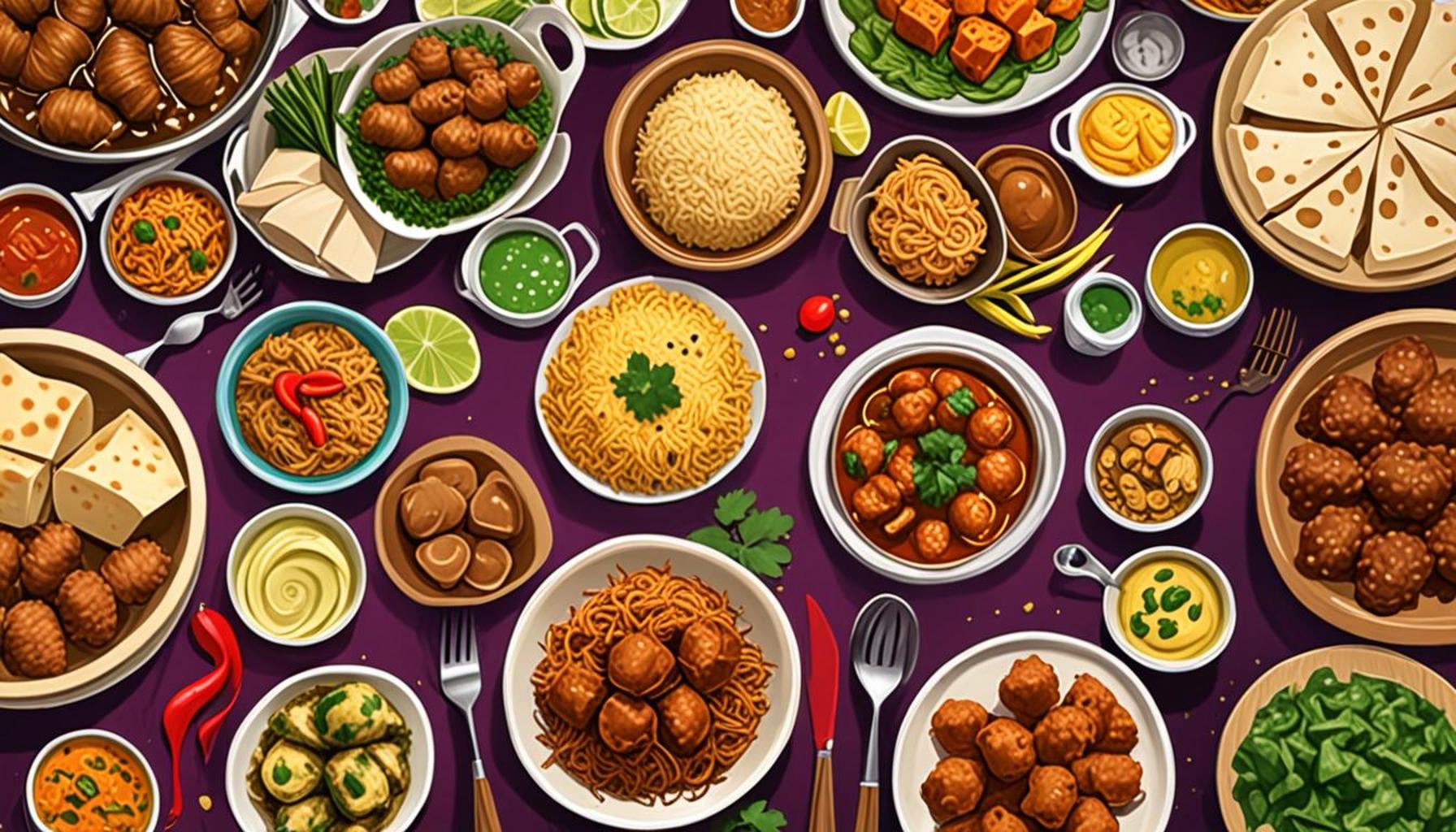
Route of Flavors: Discovering Traditional Dishes in Abuja
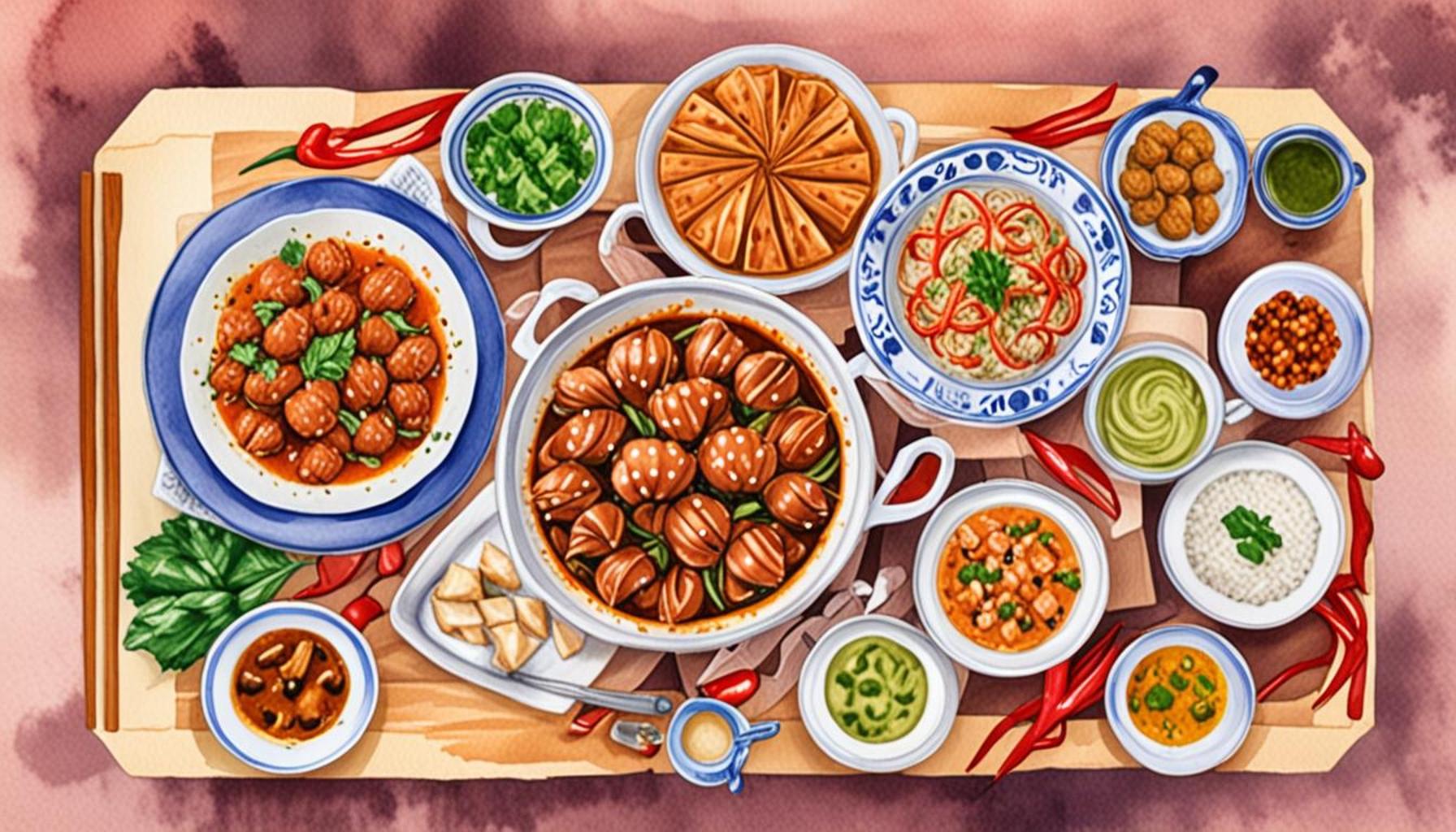
The Culinary Wonders of Abuja
Abuja, Nigeria’s capital, stands out not only for its administrative significance but also for its rich and diverse culinary landscape. Food enthusiasts venturing into the city are treated to a symphony of flavors and aromas that reflect the nation’s culture and history. Each dish has its own narrative, making dining in Abuja an immersive experience.
- Suya: Often considered the quintessential street food, suya is a spicy meat skewer that has become synonymous with Nigerian cuisine. Prepared by marinating thin slices of beef, chicken, or goat in a flavorful blend of groundnut powder, chili pepper, and various spices, it is grilled to perfection. Street vendors serving suya can be found throughout Abuja, particularly at night, where the enticing aroma wafts through the streets and lures in locals and tourists alike. Enjoy it traditionally with sliced onions and tomatoes.
- Pounded Yam and Egusi Soup: This traditional dish is a staple in many Nigerian households. Pounded yam is made by boiling yam tubers and then pounding them until they reach a smooth, stretchy consistency. Paired with egusi soup, which is made from ground melon seeds, vegetables, and spices, this meal not only satisfies hunger but also showcases the rich flavors of Nigerian cuisine. The quick bite of the spicy soup combined with the soft pounded yam creates a delightful contrast.
- Kunu: On a hot day in Abuja, there’s nothing quite like sipping on kunu, a traditional beverage made from grains such as millet, sorghum, or maize. This refreshing drink is mildly sweet and slightly alcoholic, making it a perfect companion for meals or as a stand-alone refreshment. Vendors often prepare it fresh, displaying a variety of flavors that enhance the grain base with spices like ginger or cloves.
Navigating Abuja’s culinary scene is best done through a Route of Flavors, where visitors can interact with local vendors and dine at family-owned restaurants. Markets like the Wuse Market are a treasure trove of traditional foods, spices, and fresh produce. Here, you can experience the vibrant atmosphere while engaging with vendors who are often eager to share recipes and cooking tips.
The heart of Abuja’s food culture also lies in its markets, where visitors will find:
- Fresh Pepper: Essential for adding heat to dishes. The varieties range from the fiery Scotch Bonnet to the milder bell pepper, which enhances the taste profile of many traditional meals.
- Locally Sourced Vegetables: From spinach to bitter leaf, local produce forms the backbone of a well-rounded Nigerian meal, providing both nutrition and flavor.
- Unique Spices: Ingredients like ground crayfish, locust beans, and various indigenous herbs set Nigerian cuisine apart by giving each dish its distinctive taste.
As you wander through Abuja’s colorful streets and sample the local fare, each meal becomes more than just sustenance; it is a manifestation of culture, community, and history. By taking part in this culinary exploration, you become woven into Abuja’s vibrant tapestry, enriching your understanding of not just the food but also the people and traditions that embrace it. Discovering these flavors offers an exciting pathway to connect with the heart of Nigeria.
YOU MAY ALSO LIKE: Read read another article

A Journey Through Traditional Markets
To truly discover traditional dishes in Abuja, one must embark on a journey through the vibrant markets that pulse with life and flavor. The Wuse Market, for instance, serves as a vital artery for food aficionados and local chefs alike. A myriad of stalls brimming with fresh produce, spices, and street food await those eager to indulge in Nigeria’s rich gastronomic heritage. As you meander through the bustling aisles, you will find that each vendor offers a unique glimpse into the culinary traditions handed down through generations.
One of the standout experiences of visiting these markets is engaging with vendors who are passionately dedicated to their craft. Many are more than willing to share the secrets behind their recipes and cooking techniques. For instance, the art of preparing jollof rice—a dish that sparks debate from Lagos to London—begins with selecting quality tomatoes, peppers, and spices. Vendors will explain how the secret to a remarkable jollof lies not just in the ingredients but also in the cooking method, often simmered over an open flame to achieve that perfect smoky flavor.
As you continue your quest along the Route of Flavors, be sure to sample these traditional offerings:
- Puff-Puff: These delicious fried dough balls are a common snack found throughout Abuja. Fluffy and slightly sweet, puff-puff can be enjoyed plain or with fillings such as chocolate or spicy fillings, making them a perfect on-the-go treat.
- Moi Moi: This steamed bean pudding blends blended black-eyed peas, spices, and vegetables into a savory meal that is both nutritious and satisfying. Each bite brims with flavor, showcasing the versatility of Nigerian legumes.
- Chin Chin: A delightful crunchy snack, chin chin comes in various shapes and sizes, often enjoyed during festive occasions. Making chin chin requires a careful mix of flour, sugar, and spices, providing an enjoyable contrast to savory meals.
Sampling these treats while interacting with local vendors not only heightens your culinary experience but also deepens your appreciation for the rich tapestry of flavors that define Abuja’s culinary scene. It’s a delightful balance of taste and culture, allowing you to savor not just the food but also the stories and traditions behind each dish.
In addition to engaging with the culinary experts, don’t forget to explore the vibrant ambiance surrounding the marketplaces where chefs proudly display their culinary flair. Close your eyes for a moment, and let the aromatic spices transport you; the sound of sizzling meat and bustling conversation creates the perfect backdrop for your gastronomic adventure.
The Route of Flavors in Abuja is a sensory feast that goes beyond mere meals; it embodies the culture, resilience, and unity of the Nigerian people. As each dish tells a story, each taste is an invitation to delve deeper into the heart of Nigeria—a country rich in history and flavor.
| Advantage | Description |
|---|---|
| Culinary Heritage | The theme showcases Abuja’s rich culinary traditions, giving exposure to locally sourced ingredients and traditional cooking methods that have been passed down through generations. |
| Cultural Experience | Participants can indulge in a unique cultural immersion, allowing them to understand and appreciate the cultural significance of various dishes and the stories behind them. |
The “Route of Flavors: Discovering Traditional Dishes in Abuja” presents an opportunity for food enthusiasts and travelers alike to dive deep into the culinary landscape of Nigeria’s capital. Each dish offers not just sustenance but a narrative interwoven with the fabric of local culture and history.As you navigate through bustling markets and hidden gem restaurants, the flavors encountered will tantalize your taste buds while providing insight into the social dynamics of the city. Embracing this theme means more than just sampling delicious food; it’s an invitation to participate in the daily lives of the Abuja community. From aromatic jollof rice to spicy suya kebabs, every experience is paired with the story of the people who prepare them, ensuring that the journey through flavors becomes a journey of connection and understanding of a vibrant culture. By exploring this culinary path, you become part of a larger story, one that celebrates heritage and the joy of sharing food.
YOU MAY ALSO LIKE: Read read another article
Exploring Local Eateries and Food Stalls
As your culinary adventure continues along the Route of Flavors, it becomes imperative to visit the local eateries and food stalls that pepper the city’s landscape. From humble shacks to more established restaurants, Abuja’s food scene is a testament to the diverse cooking styles and flavors that converge here. For many locals, these establishments represent the heart and soul of traditional Nigerian cuisine.
One cannot talk about traditional dishes without mentioning the renowned Suya, a popular street food that has earned its spot as a favorite among both locals and visitors. Suya is skewered, spicy meat—usually beef, chicken, or goat—that is grilled to perfection and served with sliced onions, tomatoes, and spicy pepper sauce. As you stroll through bustling streets, the aroma of grilling meat will beckon you. It’s almost customary to stop at one of the many suya stands, where the vendors often have their signature seasoning blends that elevate the flavors. Each vendor will have their unique twist, thereby presenting an opportunity to discover countless variations of this beloved dish.
Additionally, don’t miss out on Pepper Soup, a spicy broth made typically with fish or goat meat, infused with aromatic spices such as calabash nutmeg and ginger. This dish is not only a staple at social gatherings but also considered a remedy for the common cold. Various local joints in Abuja serve this dish, and it is best enjoyed with a side of cold palm wine or beer, providing a perfect balance to its fiery notes. As you sip on this delightful concoction, feel the warmth envelop you, as it serves as a soothing reminder of the rich culinary heritage found in every bowl.
Another essential stop on your flavor journey is the charming Buka joints that showcase authentic Nigerian home-style cooking. The concept of a Buka restaurant is rooted in bringing together various traditional dishes under one roof. Here, you can easily feast on staples like Fufu, which serves as the perfect accompaniment to rich soups like Egusi or Ogbono. The beauty of dining at a Buka is the vibrant, communal atmosphere that encourages socializing, making every meal truly an event.
The variety of soups and stews carries a depth of flavor that speaks to the cultural nuances across the nation. For instance, the Egusi soup, made from ground melon seeds, boasts a thick consistency and is often enriched with leafy vegetables, giving it robust texture and taste. Meanwhile, Ogbono, derived from wild mango seeds, provides a gelatinous quality, making it a favorite among those who enjoy a unique culinary experience. Each spoonful is a reminder of the historical agricultural practices of Nigeria and highlights the importance of local ingredients in sustaining healthy diets.
- Akara: These savory bean cakes are made from ground black-eyed peas, fried until golden brown, offering an irresistible crisp on the outside and soft interior. Served as a breakfast or snack item, they are often enjoyed with a side of spicy sauce.
- Nkwobi: A traditional delicacy from Eastern Nigeria, Nkwobi is a flavorful dish made from cow foot, seasoned with potash, native spices, and served in a palm oil sauce. Often enjoyed as a side with drinks, it’s a favorite for any gathering.
- Ofada Rice with Ayamase Sauce: Locally sourced and often considered the king of Nigerian rice, Ofada rice is typically served with a spicy green stew known as Ayamase, which highlights the local green peppers and includes assorted meats.
As you engage in bustling eateries and savor the authentic flavors, it’s essential to embrace not just the taste but also the stories and camaraderie that accompany these meals. The deep roots of each dish are intertwined with the culture and history of Abuja, making your experience on the Route of Flavors as enriching as it is delicious.
ADDITIONAL INSIGHTS: Expand your understanding here
Conclusion
As you traverse the Route of Flavors through Abuja, it becomes evident that food is not merely sustenance but a reflection of a rich cultural tapestry woven over centuries. Each traditional dish, from the fiery Suya to the comforting Pepper Soup, carries stories of communal gatherings, age-old recipes, and the heritage of various ethnic groups coexisting within the city. The unique flavors of Abuja resonate with an authenticity that can only be unlocked by engaging with local eateries and stalls, where the genuine warmth of Nigerian hospitality beckons you to partake in culinary adventures.
Moreover, dining in vibrant Buka joints fosters a sense of community, as patrons come together to celebrate life over shared meals, fostering connections through food. By indulging in local staples like Fufu, Egusi, and an array of hearty soups, you immerse yourself not just in flavors but also in the narratives that define this dynamic city.
Ultimately, the Route of Flavors in Abuja is a stunning reminder that food has the power to unite, inspire, and educate. Whether you’re a local who seeks to reconnect with your roots or a visitor delving into new experiences, there is an endless array of dishes and stories waiting to be uncovered. Embark on this delicious journey, and allow the vibrant flavors of Abuja to resonate well beyond the plate, leaving an indelible mark on your culinary memories.