The Role of Musical Communities: Connections and Collaboration in Creative Hobbies
The Importance of Musical Communities
In the vibrant world of music, communities play a crucial role in fostering connections and enabling collaboration among enthusiasts. Whether they are amateurs strumming a guitar in their living rooms or seasoned musicians performing in local festivals, the power of musical communities transcends boundaries and creates a wealth of opportunities. These groups not only enhance creativity but also nurture a sense of belonging among their members.
Variations of Participation in Musical Communities
Participation in musical communities can manifest in various forms, each offering unique benefits. Here are a few key examples:
- Jam Sessions: Informal gatherings where musicians come together to share ideas and improvise. These sessions are often spontaneous and can occur in local bars or community centers, allowing participants to experiment with different genres and styles. For instance, a blues guitarist might encounter a jazz saxophonist, and together they might create an unexpected fusion that captures the essence of both genres.
- Workshops: Organized sessions that help musicians learn new techniques and collaborate on projects. These can range from one-off events led by local experts to longer series of classes at music schools. Such workshops provide a structured environment where individuals can refine their skills, gain confidence, and develop new relationships with fellow musicians who share similar goals.
- Online Platforms: Websites and social media groups where individuals connect, share their work, and seek feedback. Platforms such as SoundCloud, Bandcamp, and even YouTube serve as popular spaces for musicians to distribute their songs, receive critiques, and build an online following. The digital age has made it easier than ever for musicians from different continents to collaborate, creating a global village of sound.
Impact on Creativity and Skills Development
Research indicates that joining musical communities can significantly boost individual creativity and improve skills. Through collaboration, musicians not only learn from one another but also spark innovative ideas that often lead to unique compositions. When musicians share their techniques and approaches, their creative horizons expand, leading to richer musical experiences. For example, a singer-songwriter might collaborate with a digital producer, blending traditional songwriting techniques with contemporary electronic elements, resulting in an innovative sound that neither could have achieved alone.
The collective energy and mutual support provided by these communities ultimately pave the way for artistic growth. Many notable artists, such as the indie band “The Lumineers,” credit their success to the vibrant local music scenes in places like Denver, Colorado. Networking with other artists and participating in the local music community allowed them to hone their style, gain exposure, and build a dedicated fanbase.
The Ongoing Evolution of Musical Communities
As the landscape of musical expression continues to evolve, the role of these communities remains pivotal. With the rise of new musical genres, technologies, and platforms, the methods of collaboration and connection are constantly changing. Local music hubs, like open mic nights in New York City or community music festivals in Nashville, have become essential venues for budding artists. They provide not just platforms for performance but also spaces for mentorship and the sharing of resources.
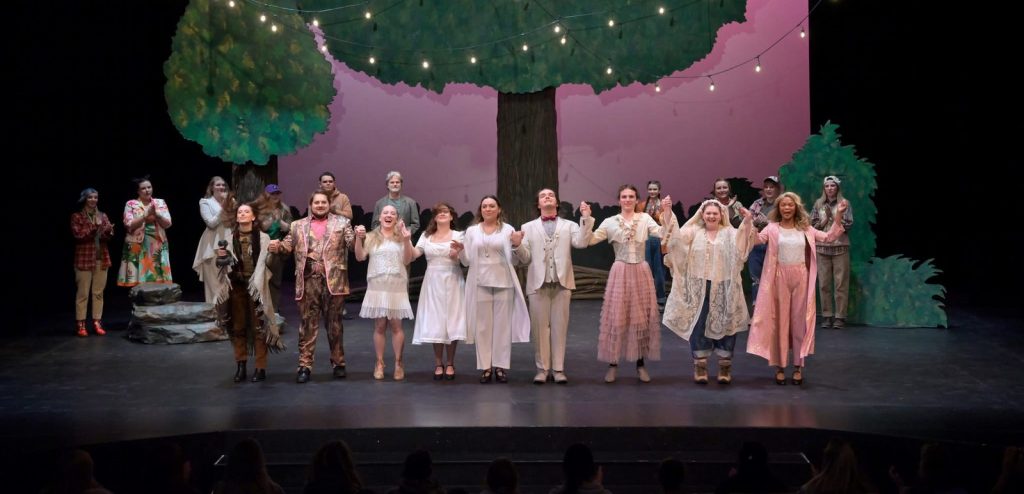
This article will explore how connections and collaboration within musical communities enhance not just the creative process but also foster long-lasting relationships among like-minded individuals. The dynamics of these communities enrich the musical experience and reflect the diverse tapestry of American culture. Through regular engagement, participants can cultivate friendships that may lead to lifelong collaborations, resulting in an enduring impact on their artistic journeys.
DIVE DEEPER: Click here to discover the power of personal diaries
The Dynamics of Musical Interactions
Musical communities are unique ecosystems where creative ideas flourish through interaction and collaboration. Within these groups, the act of making music transforms from a solitary pursuit into a shared experience, fueling passion and ambition among participants. The dynamics of these communities are influenced by several key factors, including diversity of skill levels, the blending of genres, and the exchange of cultural influences. Understanding these characteristics can help illuminate the significant impact musical communities have on personal and collective creativity.
Diversity of Skill Levels and Perspectives
One of the most enriching aspects of musical communities is the broad spectrum of skill levels represented among their members. From fledgling musicians seeking guidance to seasoned professionals eager to share their expertise, these groups create an environment where knowledge flows freely. The presence of varying skill levels allows for mentorship opportunities, where more experienced musicians can identify and nurture talent in newcomers. In turn, beginners often invigorate established artists with fresh ideas and perspectives, encouraging them to explore new styles and concepts.
For example, a local guitar class might attract both veterans and novices, offering participants the chance to learn new techniques while also imparting valuable lessons based on their unique experiences. This exchange of knowledge helps individuals to not only develop their own skills but also to foster a culture of collaboration. Many successful bands, such as Fleet Foxes, have emerged from collective environments where diverse talents come together to produce harmonious works.
Genre Blending and Cultural Exchange
Musical communities often thrive on the richness of varied genres and cultural influences. As musicians from different backgrounds collaborate, they create hybrids that reflect the dynamic nature of contemporary music. This genre blending not only enriches the musical landscape but also encourages members to expand their artistic horizons. By participating in a community that fosters experimentation, musicians may discover new styles that resonate with their personal tastes or spark an innovative idea for an upcoming project.
- Cross-Genre Collaborations: A pop singer may join forces with a bluegrass band, resulting in a vibrant sound that attracts a diverse audience.
- Cultural Fusion: Musicians from different cultural backgrounds may introduce traditional instruments and techniques to their newer forms, creating a captivating blend of sounds.
- Artistic Inspiration: Exposure to differing musical influences can lead to original compositions that highlight the unique characteristics of each genre.
Furthermore, as digital platforms continue to connect musicians worldwide, the opportunities for collaboration are limitless. Artists can now build bridges across continents, sharing musical ideas that transcend borders. This ongoing cultural exchange strengthens the fabric of musical communities and facilitates the evolution of distinct sounds and styles reflective of contemporary society.
As we delve deeper into the significance of these interactions, it becomes evident that musical communities are not merely gatherings of individuals; they are vibrant networks that encourage the exploration of ideas, foster collaboration, and build relationships that can last a lifetime. The importance of such communities extends beyond just skill development; they lay the groundwork for a rich tapestry of creativity that can leave an indelible mark on the musical world.
| Category | Key Features |
|---|---|
| Community Engagement | Interactive Workshops foster a vibrant learning environment. |
| Collaborative Projects | Joint Ventures lead to unique musical creations. |
| Diverse Perspectives | Variety of Genres enrich the creative process. |
| Social Bonds | Networking Opportunities enhance personal and professional growth. |
Musical communities inspire individuals by creating spaces where creativity can flourish through collaboration and connection. Within these communities, members share their talents and insights, leading to innovative projects that may not have emerged in isolation. Interactive workshops, for instance, not only teach skills but also encourage participants to explore new musical elements, fostering a spirit of experimentation and discovery. Moreover, the diversity of genres within these communities allows for a rich tapestry of influences that can invigorate any creative endeavor. This exposure to different styles broadens musicians’ horizons, enabling them to incorporate various techniques into their own work. Additionally, through joint ventures, musicians can come together to create something truly unique, blending their skills to push artistic boundaries. Importantly, these connections form strong social networks that contribute to both personal satisfaction and professional opportunities, creating lasting bonds among creative individuals. As such, becoming an active participant in a musical community can greatly enhance one’s artistic journey and contribute to profound personal growth, making it an invaluable experience for hobbyists and professionals alike. The dynamic interactions within these groups serve not only to foster skills but also to build a sense of belonging, which is vital in the pursuit of artistic expression.
DISCOVER MORE: Click here to learn about the benefits of craft activities
Fostering Relationships and Building Networks
The heart of any musical community lies in the relationships that its members cultivate. These connections extend beyond the act of making music; they create a robust support system that nurtures both creativity and personal growth. By forming bonds through shared experiences, musicians often feel a sense of belonging, which can be particularly vital in a field as challenging as the music industry.
Creating Support Systems
In a musical community, members have the opportunity to develop friendships that often lead to lasting collaborations. Networking plays a crucial role in sustaining these connections, allowing musicians to share resources, advice, and opportunities. For instance, musicians can organize jam sessions to practice together, where they not only refine their skills but also create a trusting atmosphere that promotes open communication. Such collaborative environments encourage members to voice their ideas, leading to innovative projects that may never have emerged in isolation.
Moreover, many musicians today engage in mentorship programs that pair emerging artists with established professionals. These initiatives not only benefit the newcomers who gain insights and guidance but also provide seasoned musicians with fresh energy and new perspectives. For example, organizations like the GRAMMY Foundation in the U.S. have been pivotal in facilitating mentorship opportunities that connect young musicians with industry veterans, ultimately promoting a culture of collaboration and support.
The Impact of Live Performances and Events
Live performances and community events are essential for strengthening bonds within musical groups. Concerts, open mic nights, and festivals not only provide a platform for artists to showcase their talents but also serve as vibrant social gatherings. During these events, musicians can interact, collaborate on stage, and create memorable moments that underpin the ethos of their community. These performances become meeting points where creative energies collide, often resulting in spontaneous collaborations that resonate with authenticity.
- Open Jam Sessions: These informal gatherings allow musicians of varying levels to come together, play impromptu music, and experiment with styles, fostering a sense of camaraderie.
- Community Workshops: Many musical communities offer structured workshops where members can learn new skills, collaborate on projects, and share valuable tools of the trade.
- Music Festivals: Not only do they celebrate diverse music genres, but they also bring communities together, encouraging collaboration among musicians from different backgrounds and styles.
The social aspect of musical communities significantly contributes to individuals’ emotional well-being. Engaging with others in their passion fosters connections that can lead to lifelong friendships and professional collaborations. As studies have shown, participating in musical activities can enhance mental health by reducing stress and anxiety while promoting a sense of purpose and belonging.
Through the lens of strong relational dynamics, we can appreciate how musical communities serve as vital support systems. They are more than just collectives of individuals pursuing a common interest; they are dynamic networks that facilitate growth, collaboration, and personal development. As musicians continue to unite through their passion for creative expression, their collective experiences contribute to the rich tapestry of the music industry while fostering connections that may last a lifetime.
DIVE DEEPER: Click here to uncover the secrets of character development
Conclusion: The Transformative Power of Musical Communities
In conclusion, the significance of musical communities extends far beyond mere collaboration and creativity. These vibrant networks serve as essential incubators for artistic development, connection, and emotional support. By fostering relationships and creating support systems, musicians find a platform not only to express their talents but also to innovate and grow together. The bonds forged within these communities create a foundation of trust that encourages collaboration, leading to groundbreaking projects that would otherwise remain unrealized.
Live performances and community events further amplify this communal spirit, allowing artists to share their work while thriving in an environment rich with inspiration and interaction. Such gatherings not only enhance the visibility of individual artists but also contribute to the overall health of the local music scene. In this way, the grassroots atmosphere of jam sessions, workshops, and festivals cultivates a sense of belonging that resonates deeply with all participants, reinforcing their passion and dedication to their craft.
Ultimately, the role of musical communities is pivotal in shaping the landscape of the music industry. By embracing diversity and encouraging collaboration across different musical styles and backgrounds, these communities not only enrich the individual experience but also contribute to the cultural fabric of society as a whole. As the music world continues to evolve, engaging with these communities holds the key to nurturing future generations of musicians, making it vital for anyone involved in creative pursuits to explore and participate in their local musical ecosystems.