Art as a Form of Therapy: Exploring the Potential of Artistic Creation for Emotional Well-Being
The Transformative Impact of Artistic Endeavors
Art, in its countless forms, has been utilized as a medium of expression across cultures for centuries. It possesses a unique ability to convey thoughts and feelings that words often cannot fully encapsulate. In contemporary society, the healing aspects of art are drawing increasing interest from psychologists, researchers, and wellness advocates. This exploration has opened new doors for individuals seeking solace and improved mental health through creative outlets.
For many, participating in artistic activities provides a much-needed escape from the pressures of daily life. The therapeutic power of art manifests in various tangible forms. Here are some expanded insights into specific artistic methods:
- Painting and Drawing: Whether it is through watercolors, acrylics, or simple sketching, creating visual art allows individuals to engage in a personal dialogue with themselves. For example, expressive painting has been shown to help individuals process grief as clients channel their emotions onto the canvas, giving them a physical representation of their internal experiences.
- Music Therapy: This therapeutic approach incorporates listening to, creating, and performing music. Studies highlight that engaging with melodies and rhythms can significantly decrease feelings of anxiety and depression. For instance, music therapy has been effectively used in rehabilitation centers, where patients facing emotional and psychological challenges find comfort in composing or listening to music that resonates with their personal experiences.
- Dance and Movement: The physical act of dancing not only promotes fitness but also serves as a powerful conduit for self-exploration. Dance therapy tends to foster a sense of freedom, allowing individuals to unlock emotions that might be stored in the body. For example, movement is often used in group therapy settings to build trust and connection among participants, facilitating emotional bonding.
Art therapy, in particular, has emerged as a significant tool for mental health professionals. By providing structured sessions where creativity is encouraged, therapists can guide clients through complex emotional landscapes. Creative endeavors serve as effective tools for:
- Reducing Anxiety: Engaging in the artistic process can create a serene environment conducive to mindfulness. For many, creating art becomes a form of meditation, offering a temporary reprieve from anxious thoughts and promoting relaxation.
- Enhancing Self-Expression: Artistic outlets provide channels for individuals to articulate feelings that may be challenging to communicate verbally. This can be particularly crucial for children or those with verbal communication difficulties, as they may find solace in expressing themselves visually.
- Building Resilience: Creativity fosters a growth mindset, encouraging individuals to embrace challenges. Completing a project can impart a sense of accomplishment and reinforce an individual’s capacity to navigate life’s ups and downs.
The vastness of art’s therapeutic potential is an invitation to both explore and embrace one’s creativity. Whether through painting, music, or dance, each individual has unique pathways to discover emotional depth and healing. As more research unfolds, it becomes increasingly clear that engaging with art not only enhances personal well-being but also enriches, revitalizes, and connects communities on a profound level.
DISCOVER MORE: Click here to find out how your crafts can make a difference!
Unlocking Emotions Through Creative Expression
Art therapy is gaining traction as a significant form of healing in the context of mental health. The many benefits of artistic creation extend beyond mere hobby; they delve deep into the realms of emotional well-being and personal growth. With its ability to transcend verbal communication, art provides a unique framework for individuals to explore their thoughts, confront their feelings, and navigate the complexities of their emotional landscape.
One key reason for this efficacy lies in the innate capacity of art to foster self-awareness. When individuals engage in artistic activities, such as painting or sculpting, they often find themselves tapping into raw emotions that have long been buried. This can serve as the catalyst for cathartic release, leading to profound insights about personal experiences. For instance, a client dealing with unresolved trauma might find that their artwork reveals underlying feelings of anger or sadness they were not consciously aware of, thus igniting the pathway toward healing.
Moreover, art therapy often promotes mindfulness, which is crucial in managing stress and anxiety. The focused attention required during the creative process allows individuals to ground themselves in the present moment. This form of engaged awareness reduces overwhelming thoughts that contribute to mental distress. Research has demonstrated that individuals who engage regularly in art creation report lower levels of anxiety and depression, reflecting the therapeutic energy inherent in artistic pursuits.
The Role of Artistic Mediums in Emotional Healing
Various artistic mediums serve specific therapeutic functions, catering to different preferences and emotional states. Below are some noteworthy mediums and their unique contributions to emotional well-being:
- Visual Arts: Activities like painting, drawing, and collage-making allow individuals to visually express their emotions. The colors and forms chosen can articulate feelings that are often hard to vocalize, leading to breakthroughs in understanding personal experiences.
- Creative Writing: Journaling or poetry fosters introspection and provides a narrative framework, helping individuals articulate their innermost thoughts. Writing as a form of therapy has been shown to facilitate emotional catharsis and strengthen emotional regulation.
- Crafting and Sculpture: Engaging in tactile art forms can be particularly grounding. The physical manipulation of materials provides a sensory experience that can alleviate stress and promote relaxation, helping individuals channel feelings in a constructive manner.
In considering the vast potential of artistic creation for emotional well-being, it becomes evident that art is not merely a pastime. It is an essential tool for personal development, equipped with the power to transform lives. As communities across the United States increasingly recognize the mental health benefits of art therapy, it stands to reason that fostering creativity can lead to deeper connections among individuals and contribute to vibrant, supportive environments. In subsequent sections, we will further delve into the various ways art serves not just the individual, but also the collective psyche of society at large.
Art therapy has emerged as a revolutionary technique in the realm of emotional well-being, harnessing the power of creative expression to facilitate healing and self-discovery. Individuals often find solace in various artistic forms, whether it’s drawing, painting, or sculpture. These artistic endeavors serve as a medium through which emotions can be processed and understood, providing a valuable outlet for feelings that may otherwise remain unexpressed.
Moreover, studies indicate that engaging in artistic activities can significantly reduce symptoms of anxiety and depression. The simple act of creating art has shown to release dopamine, a neurotransmitter associated with feelings of pleasure and reward. As a result, participants not only experience a sense of accomplishment but also improve their mood and overall psychological health.
Art as therapy does not require prior artistic skills. In fact, the focus is not on the final product but rather on the process of creation itself. This accessible approach allows individuals of all ages to explore their emotions freely without the fear of judgment, fostering a sense of safety and acceptance in their therapeutic journey.
Furthermore, group art therapy sessions can enhance social connections and reduce feelings of isolation. By sharing their artwork and insights amongst peers facing similar challenges, individuals cultivate a community of support and understanding, learning that they are not alone in their struggles. This collaborative aspect of art therapy can unlock profound personal growth and resilience.
As we delve deeper into the potential of artistic creation for enhanced emotional well-being, it becomes evident that the intersection of art and healing offers a rich landscape for exploration. By encouraging self-expression and connection, art therapy not only empowers individuals but also promotes a healthier society.
| Advantages | Enhancements to Well-Being |
|---|---|
| Emotional Expression | Facilitates processing of unexpressed feelings through creativity. |
| Stress Reduction | Artistic creation lowers anxiety and elevates mood via dopamine release. |
DIVE DEEPER: Click here to discover unique sounds
The Transformative Power of Community Art Initiatives
Beyond individual artistic expression, community-based art initiatives also play a pivotal role in enhancing emotional well-being. These projects not only foster creativity but also promote social connections, which are vital for mental health. Participation in group art activities—such as mural painting, community theater, or collective exhibitions—can significantly enhance an individual’s sense of belonging and community support. Such initiatives create a space where participants can share their experiences, lift each other up, and collectively process their emotions.
Many cities across the United States have embraced this concept, recognizing the inherent power of art to foster not only individual healing but also communal resilience. For example, organizations like Art for Healing in New York City facilitate workshops where diverse groups come together to create collaboratively. This shared artistic journey allows individuals to forge relationships based on compassion and mutual understanding, which can be especially beneficial for those coping with mental health issues.
Moreover, the role of art in schools has been increasingly acknowledged, with programs aimed at integrating creative disciplines into education. Through art classes, students gain the opportunity to express themselves, mitigate stress, and explore their identity in a safe environment. Such environments encourage emotional intelligence and foster skills that are essential for navigating interpersonal relationships. Research has shown that students who engage in creative arts often exhibit improved academic performance alongside emotional resilience.
Incorporating Technology in Artistic Therapy
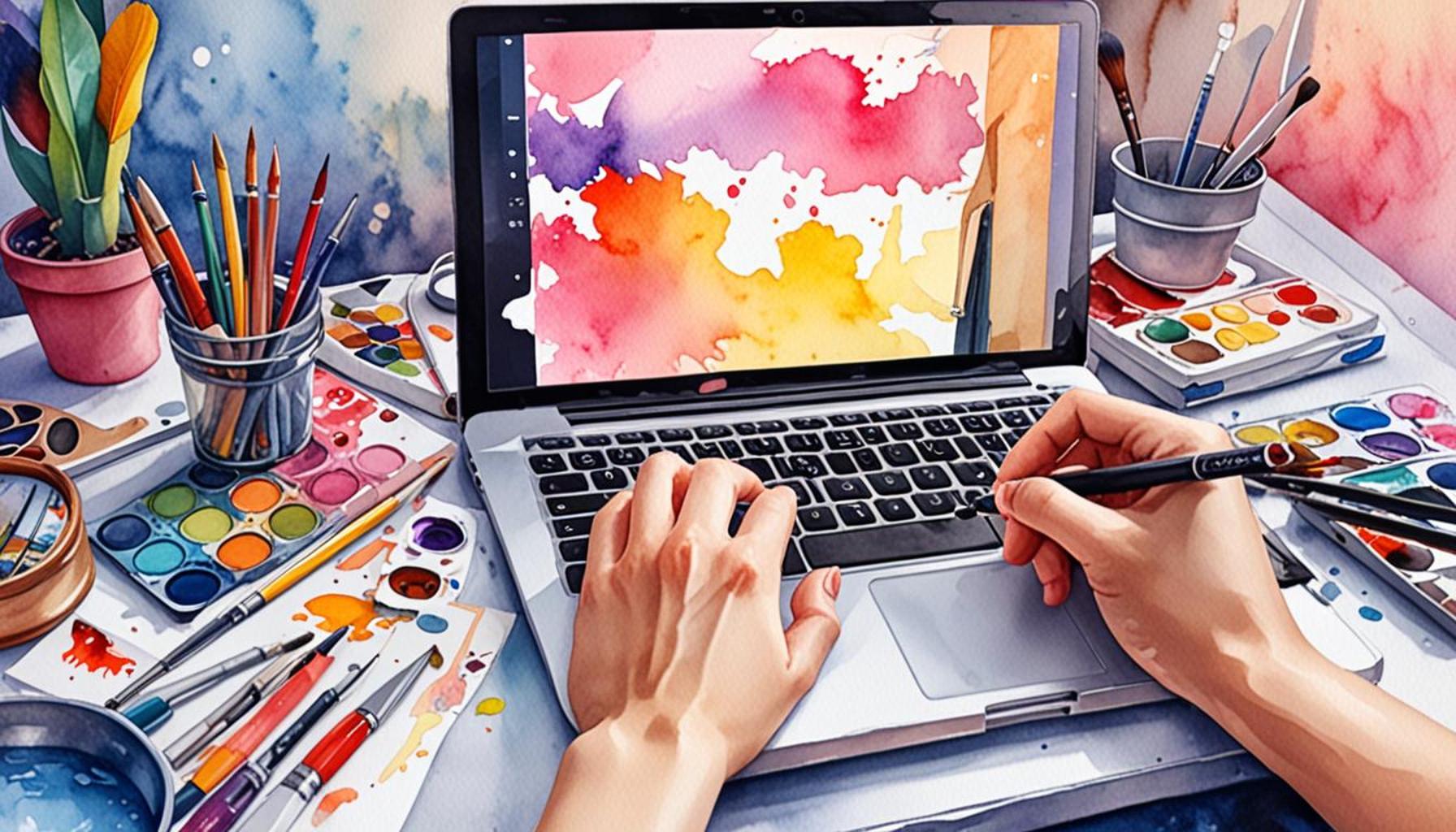
The advent of new technologies has broadened the horizons for artistic therapy, enabling individuals to access creative outlets that were previously unavailable. Digital art, animation, and virtual reality have emerged as innovative platforms through which emotional expression can manifest. These technologies not only provide diverse methods of creation but also make art therapy more accessible to individuals who may otherwise find traditional methods challenging or intimidating.
For instance, apps designed for drawing and painting allow users to experiment with various styles and techniques at their fingertips. This flexibility can be liberating, instilling a sense of accomplishment and control as they express their emotions through pixels instead of pigments. Additionally, virtual reality experiences offer immersive environments where users can explore artistic concepts while navigating their emotional worlds, bridging the gap between creativity and therapy.
- Teletherapy and Virtual Workshops: Due to the rise of digital platforms, art therapy sessions can now be accessed remotely, making it easier for individuals in rural or underserved areas to participate. This shift not only diversifies the scope of therapeutic engagement but also helps normalize discussions surrounding mental health.
- The Therapeutic Potential of Digital Storytelling: By merging technology with narrative, individuals can create digital stories that encapsulate their emotional journeys. This form of storytelling empowers users to take ownership of their experiences, facilitating a therapeutic process that promotes healing and self-discovery.
As we delve deeper into art therapy, the potential for healing through artistic creation reveals itself as a multifaceted approach for emotional well-being. The rich interplay between individual expression and community connectivity makes art an indispensable element in the journey toward holistic health. By embracing these diverse forms of artistic engagement, society can empower individuals while fostering a culture that values emotional expression and resilience. In the following sections, we will uncover the latest research findings and anecdotal evidence that underscore the significance of art therapy in today’s mental health landscape.
DISCOVER: Click here to explore creative family projects
Conclusion
In summary, the exploration of art as a form of therapy highlights its immense potential for promoting emotional well-being. Engaging in artistic creation offers individuals not only a means of self-expression but also a pathway to understanding and processing complex emotions. The therapeutic benefits extend far beyond the individual, facilitating communal healing through collaborative projects that strengthen social bonds and cultivate a sense of belonging.
Furthermore, the integration of technology into artistic therapy opens new avenues for engagement, making artistic expression accessible to a broader audience. Innovative tools such as digital storytelling and virtual workshops have democratized the experience, allowing individuals in various circumstances to unlock their creative potential. As access to these resources increases, conversations about mental health and emotional wellness are being normalized, paving the way for a more supportive society.
The significance of art therapy cannot be understated; it acts as a bridge between emotional health, creativity, and community resilience. As research continues to evolve and the field expands, it is crucial for mental health professionals, educators, and communities to champion artistic initiatives. By prioritizing artistic engagement as a fundamental component of emotional well-being, society can foster a culture that recognizes and celebrates the healing power of creativity. As we forge ahead, embracing the confluence of art and therapy will undoubtedly enrich lives, inspiring new narratives of hope and healing.