The Role of Art in Community Building: Fostering Connections Through Collaborative Creative Projects
The Role of Art in Connecting Communities
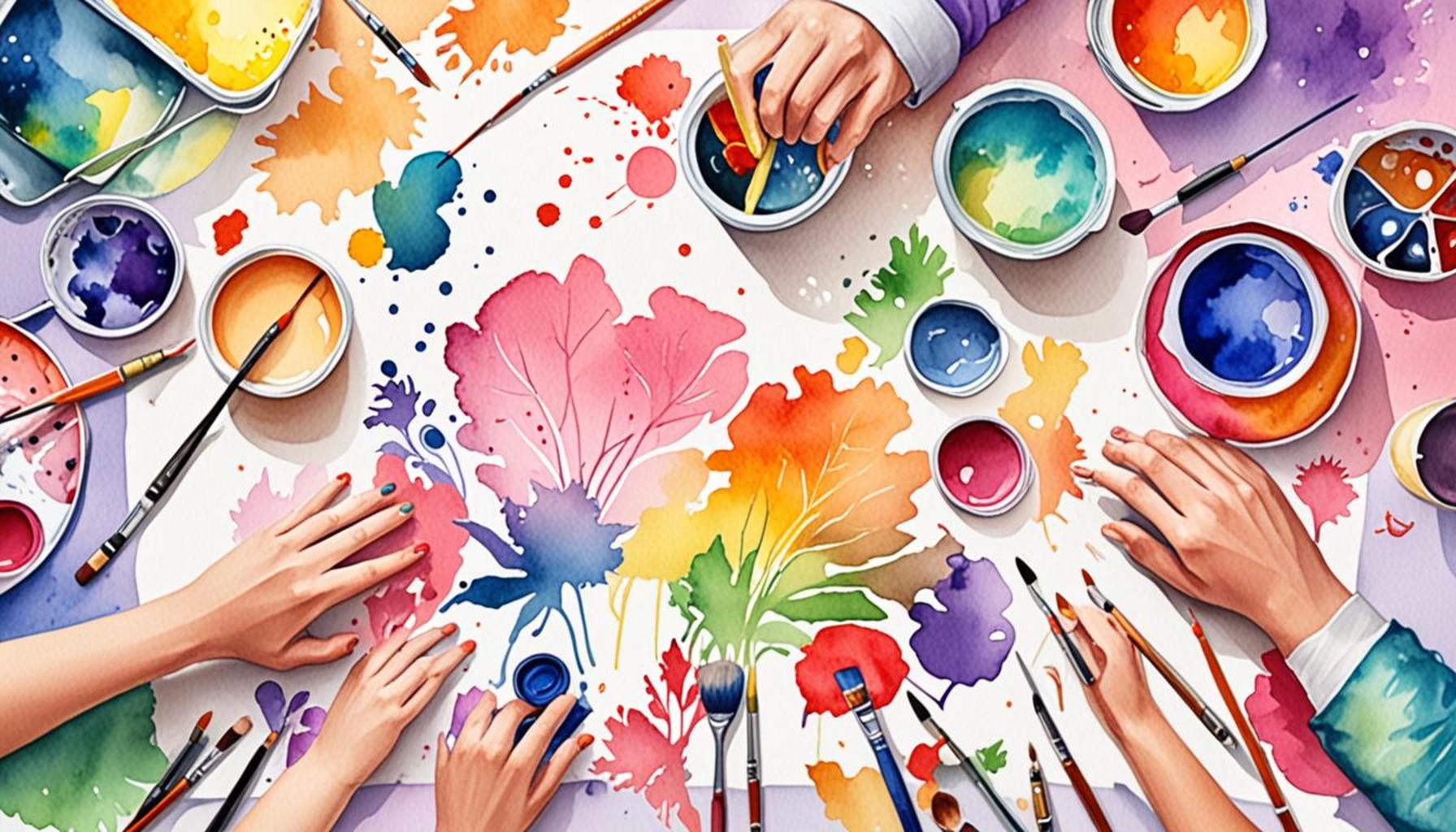
Art has always served as a powerful means of expression, but its role extends far beyond aesthetics. In communities across the United States, art acts as a catalyst for connection, bridging gaps between diverse groups and individual experiences. Through collaborative creative projects, art fosters a sense of belonging and shared purpose.
This synergy is fostered through various forms of artistic expression, including visual arts, music, theater, and dance, each contributing to the vibrant tapestry of community life.
Here are some key ways in which art contributes to community building:
- Promotes Dialogue: Art serves as a powerful tool for dialogue, allowing community members to engage in open discussions. For instance, public art installations often address social issues, pushing viewers to reflect on topics such as poverty, inequality, and climate change. Projects like the “Chicago Mural Movement” exemplify this, where murals are used to share personal and collective narratives, thereby challenging perceptions and fostering understanding.
- Encourages Participation: Engaging community members in creative projects allows them to contribute their unique perspectives. Programs like “Art in the Parks” in New York City invite residents to collaborate on art installations, reinforcing a sense of ownership and investment in their surroundings. When community members see their ideas come to life, it fosters an inclusive atmosphere that celebrates diversity.
- Enhances Identity: Artistic initiatives can highlight local culture, enhancing community pride. Local artists often draw inspiration from historical events, folklore, or agricultural practices unique to their region. For example, the “Gathering of Nations” in Albuquerque, New Mexico, showcases Native American culture through dances, crafts, and art, promoting a sense of identity that resonates with both participants and visitors.
- Facilitates Collaboration: Working together on art projects cultivates teamwork and strengthens social bonds. Events such as community theater productions or collaborative art fairs not only provide a platform for creativity but also encourage residents to unite toward a common goal. These experiences often translate into lasting relationships and networks that enrich the community.
From mural paintings in urban neighborhoods to interactive installations in public parks, the opportunities for community engagement through art are limitless. Art festivals, workshops, and exhibitions serve as gathering points, where individuals from various backgrounds can come together, share stories, and build relationships. As we delve deeper into this subject, it becomes evident that art’s role in community building is not merely supplementary but foundational to fostering connections and creating vibrant, inclusive spaces. The nurturing of such environments ultimately leads to healthier, more resilient communities, further emphasizing the need for support and promotion of the arts at local, state, and national levels.
DISCOVER MORE: Click here to learn about the therapeutic benefits of craft activities
Art as a Medium for Social Integration
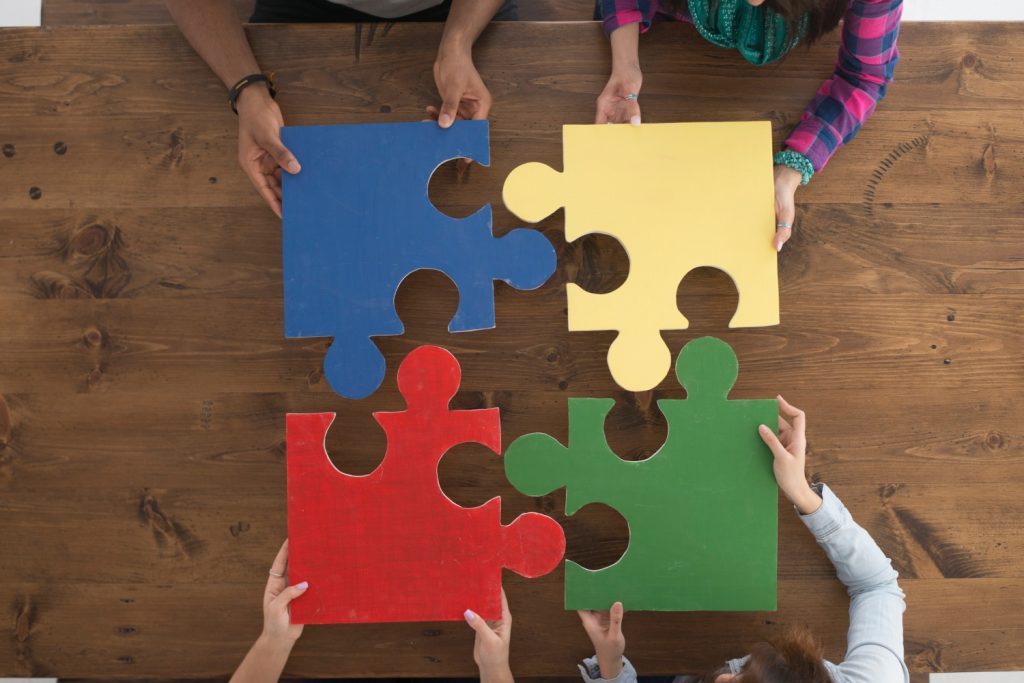
Art serves as a remarkable medium for social integration, breaking down barriers and inviting diverse voices into a shared narrative. Within communities, art can transcend linguistic and cultural divides, creating opportunities for people to communicate in ways that words sometimes cannot. The communal engagement in artistic endeavors not only highlights individual creativity but also brings together contrasting viewpoints to engage in collaborative solutions.
One of the most significant aspects of art in community building is its ability to reflect shared experiences. Artistic initiatives often draw on the histories and lives of community members, making it easier for people to relate and connect with one another. For instance, programs like the “StoryCorps” project empower individuals to record and share their oral histories, allowing for the collective sharing of experiences that can foster empathy and deeper understanding.
Furthermore, the collaborative nature of community art projects encourages cross-cultural exchanges. Events such as arts festivals not only showcase diverse art forms but also promote participation from various cultural backgrounds. Initiatives like “Los Angeles’ First Fridays,” where local artists, musicians, and performers come together for an evening of celebration, serve as examples of how art can create an engaging platform for cultivating connections among people who might otherwise never cross paths.
Art Interventions in Local Communities
Collaborative projects often incorporate art interventions that engage and inspire community members. Through such projects, individuals learn to work together toward common objectives, often resulting in strengthened relationships. Here are several types of art interventions that have found success in fostering community connections:
- Mural Projects: These large-scale paintings on public walls not only beautify neighborhoods but also serve as visual storytelling mediums. Programs like “The Philadelphia Mural Arts Program” actively involve community members in the creation of murals, leading to a sense of ownership over local spaces.
- Art Workshops: Interactive workshops where community members can learn from experienced artists promote skill-sharing and collaboration. Events such as the “National Arts and Humanities Month” often include workshops that encourage local participation, creating opportunities for personal growth and team effort.
- Community Theater: Productions that involve local actors and playwrights provide an avenue for storytelling that reflects the unique aspects of community life. “The People’s Light and Theatre Company” in Pennsylvania is an exemplary venue that engages residents in performing arts, fostering unity through shared creativity.
- Pop-Up Galleries: Temporary exhibitions displaying local artists’ work can invigorate a sense of community pride. By incorporating various local artworks into public spaces, community members can experience cultural exchanges that deepen their connection to one another.
The integration of these art interventions not only beautifies and enriches community spaces but also acts as a cornerstone for building strong interpersonal relationships. As we continue to explore the fundamental role art plays in community building, it is essential to recognize that nurturing these artistic expressions is vital for fostering lasting connections among individuals, ultimately enhancing the social fabric of our neighborhoods.
In the realm of community building, the integration of art plays a pivotal role in transforming relationships among individuals. By engaging in collaborative creative projects, communities can harness the diverse perspectives and talents of their members. This inclusivity not only strengthens social bonds but also encourages a collective identity that resonates with shared values. Through workshops, art exhibitions, and public installations, communities witness firsthand the power of creativity as a medium for dialogue and expression.
Furthermore, when individuals collaborate on artistic endeavors, they develop essential skills that extend beyond the canvas or stage. Participants learn teamwork, problem-solving, and communication skills, fostering a sense of belonging that can often be lacking in modern, urbanized environments. Each project serves as a catalyst, igniting conversations that might not occur in more traditional social settings.
Another significant aspect of art in community building is its ability to raise awareness of local issues. By addressing themes such as sustainability, inclusivity, or historical context through art, community members can express their concerns and aspirations. Art becomes a vehicle for activism, resonating with the public and evoking emotional responses that might inspire action or change.
Moreover, creative projects can help to attract external attention and support. Successful community art initiatives often pique the interest of local businesses, government, and nonprofit organizations, who may invest resources to further enhance these projects. This can lead to funding opportunities, venues for future works, or accessibility resources, all of which enrich the community’s artistic landscape.
As communities explore different mediums—be it murals, performance art, or digital storytelling—they cultivate an environment where innovation thrives. The beauty of art lies not only in its aesthetic appeal but also in its capacity to challenge norms and inspire critical thinking. In this way, art becomes a transformative force, reminding members of a community that they are part of something larger than themselves.
| Category | Benefits |
|---|---|
| Inclusive Participation | Strengthens social bonds and encourages diverse perspectives. |
| Skill Development | Enhances teamwork, communication, and problem-solving abilities. |
| Awareness and Advocacy | Addresses community issues and inspires action and change. |
| Attracting External Support | Paves the way for funding and resources through local interest. |
DISCOVER MORE: Click here to dive deeper into furniture restoration
Transformative Power of Art in Community Resilience
Art has the potential to act as a catalyst for community resilience, especially in times of adversity or change. When a community faces challenges—be it economic hardship, social unrest, or even natural disasters—art can provide a means for individuals to express their emotions, encourage healing, and promote collective action. This transformative power of art can be seen in various community initiatives across the United States.
One notable example is the “Mural Arts Philadelphia” program, which not only beautifies neighborhoods but also empowers residents to address pressing social issues through art. After the increase in violence in certain communities, artists and residents came together to develop murals that spark conversation around public safety and unity. Such projects can provide a shared purpose, enabling residents to reclaim their spaces and foster a sense of belonging.
Moreover, art can also play a crucial role in cultural preservation. For many underrepresented communities, art initiatives focused on the traditions, stories, and history of their culture serve to strengthen community identity and pride. Events like the annual “National Hispanic Heritage Month” feature art exhibitions, performances, and workshops that highlight the contributions of Hispanic artists, allowing communities to share their heritage while also engaging with others.
Art as a Therapeutic Tool
In addition to its community-building aspects, art serves as a powerful therapeutic tool that can enhance mental well-being and emotional health. Many community projects incorporate art therapy, using creative expression to address trauma, stress, and conflict. Programs like “Art for Healing,” which operates in various hospitals and wellness centers, enable individuals to express their feelings through various art forms, leading to personal and social healing.
- Community Art Therapy Groups: These groups use creative expression to facilitate discussions about mental health issues and emotional challenges, enabling participants to find common ground through shared experiences.
- Participatory Art Projects: These initiatives, such as “The Neighborhood Story Project” in New Orleans, encourage community members to collaboratively create artworks that tell their unique stories, thus fostering connection and resilience.
- Art and Healing Workshops: Held in local community centers, these workshops bring together diverse participants to explore art as a form of self-expression, fostering trust and understanding among participants, often leading to long-lasting connections.
Furthermore, public art installations have also been utilized as beacons of hope and recovery. An excellent example is the “LEAP (Laguna and Eastside Art Project)” in Los Angeles, where large installations led by local artists became visual landmarks during the recovery process after severe earthquakes and fires. These artistic expressions not only enhance the aesthetic appeal of the urban landscape but also communicate resilience and solidarity among community members.
As we delve deeper into the myriad ways art influences community dynamics, it becomes evident that the creation of shared spaces and collective projects strengthens the ties that bind us. Art initiatives not only enhance cultural expression but also lay a foundation for understanding and collaboration, ultimately enriching the lives of individuals and fostering cohesive, resilient communities.
DIVE DEEPER: Click here to unlock your creativity
Conclusion: Art as a Unifying Force
In closing, the role of art in community building cannot be overstated; it emerges as a powerful unifier in a fragmented world. Through collaborative creative projects, art fosters connections that go beyond individual expression to create a tapestry of shared experiences. By tapping into the collective narratives of a community, art projects help to bridge divides, foster dialogue, and inspire a renewed sense of belonging. Whether through community murals, public installations, or art therapy initiatives, the evidence is clear: art serves as a vital tool for promoting social cohesion and enhancing overall well-being.
Furthermore, as demonstrated by success stories like the “Mural Arts Philadelphia” program and “The Neighborhood Story Project,” art initiatives tackle pressing social issues while celebrating unique cultural identities. These projects empower communities to reclaim their spaces and contribute to a shared sense of cultural pride. They remind us that, regardless of background or circumstance, the creative act of coming together can lead to profound transformation.
As we look to the future, it is essential to recognize the potential of art as a catalyst for change. By investing in collaborative art projects, communities can not only navigate challenges but thrive in their diversity, enriching the lives of those who inhabit these spaces. Thus, we are encouraged to explore and support local art initiatives that foster connection, ensure inclusion, and cultivate resilience. In doing so, we can harness the full spectrum of art’s transformative power to create vibrant, interconnected communities.