The Relationship between Art and Technology: How Digital Tools are Expanding the Frontiers of Artistic Expression
The Convergence of Artistic Expression and Technological Advancements
The evolution of art has always been intertwined with technological advancements. As we step into the digital age, the relationship between art and technology grows more complex and fascinating. Artists are now leveraging digital tools to expand their creative horizons and challenge traditional methods. With globalization and the accessibility of information, the boundaries of creativity are constantly being redrawn, and artists are reimagining their craftsmanship through technology.
Today, the integration of technology in art can be seen in various forms, including:
- Digital Painting: Artists utilize software like Adobe Photoshop and Corel Painter to create stunning visuals. This not only allows for endless experimentation with colors and textures but also enables artists to share their work instantly across social media platforms like Instagram and Pinterest, connecting them with a global audience.
- 3D Printing: Sculptors employ 3D printers to bring intricate designs to life. An example is the work of artist Nathan Sawaya, who transforms LEGO bricks into masterful sculptures, demonstrating how technology can turn simple materials into complex art forms.
- Augmented Reality (AR): Innovative installations blend physical art with digital enhancements for immersive experiences. The Museum of Modern Art in New York has embraced AR in its exhibitions, allowing visitors to use smartphones to interact with exhibits, adding layers of interpretation and engagement.
- Virtual Reality (VR): Artists create entire worlds in VR, inviting viewers to engage in unique environments. A well-known example is the VR art piece “Tree,” created by artist and designer Tamas Kemenczy, which allows users to explore an enchanted forest where they can alter the environment around them.
This dynamic interplay between creativity and technology raises significant questions about artistic authenticity, authorship, and the future of traditional forms. While some purists may argue that digital art lacks the emotional depth of traditional techniques, others contend that it opens up new avenues of expression not previously possible. Artists now have tools at their disposal that not only redefine their work but also influence how audiences interact with art. The experience of walking through a physical gallery has transformed with technology’s integration, inviting more interactive and participatory forms of engagement.
As we delve deeper into this subject, we will discover how digital tools are paving the way for new artistic expressions and altering our perception of what art can be. From collaborative projects that span across continents to grassroots movements driven by digital media, the field of art is undergoing a renaissance akin to the one sparked by the invention of the camera. Prepare to be captivated by the endless possibilities that arise when creativity meets technology, and consider how this modern fusion can spark new conversations about the essence of art itself.
DISCOVER MORE: Click here to learn about the therapeutic benefits of craft activities
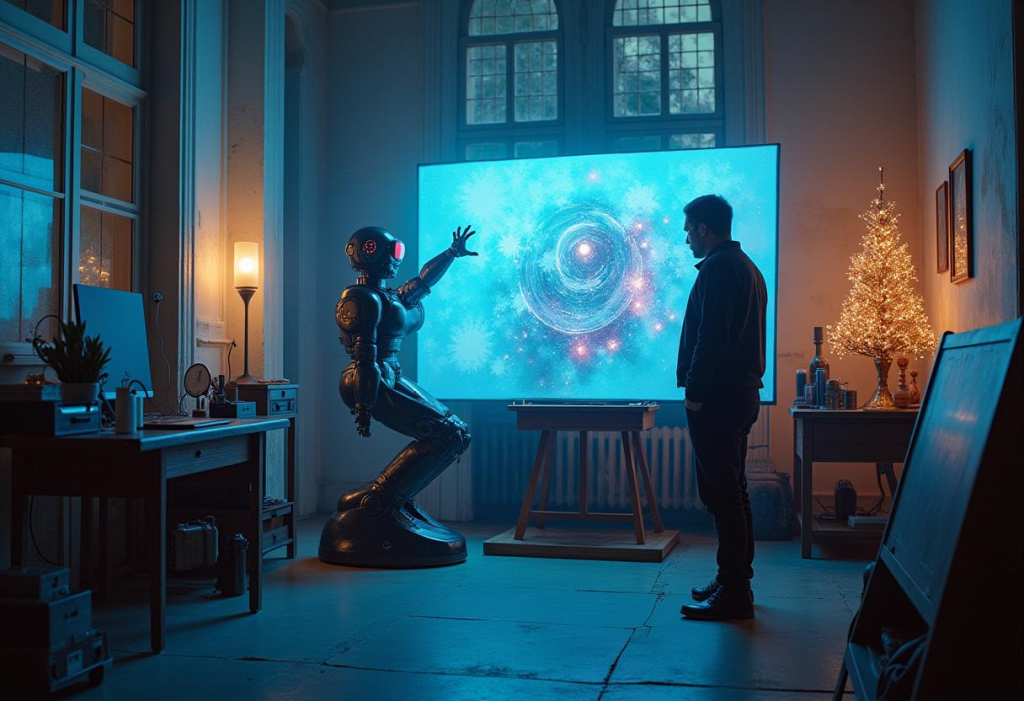
Exploring Digital Mediums: A New Era of Creativity
The digital revolution is reshaping the landscape of creativity, offering artists new mediums to explore and express their visions. Digital tools have not only democratized art-making but have also introduced innovative techniques that challenge traditional artistic principles. Across the globe, artists are harnessing these tools, blurring the lines between the physical and digital realms. This innovative fusion leads to the emergence of genres and practices previously unimaginable.
One of the most impactful aspects of this technological evolution is the rise of digital illustration. With tools like Procreate and Clip Studio Paint, illustrators can craft intricate artworks with precision and ease. Unlike traditional methods, these digital platforms allow for the layering of colors and effects, enabling artists to edit and revise with unparalleled flexibility. This evolution is particularly significant for graphic novels and animation, where the ability to create high-quality images quickly can fundamentally alter production processes.
- Animation and Motion Graphics: The expansion of digital tools in animation has led to a boom in creativity. Artists can now create animated stories with user-friendly software like After Effects and Blender, which can bring static illustrations to life. This easy access has resulted in an increase in independent creators who showcase their work on platforms like YouTube and TikTok, effectively reaching wider audiences.
- Digital Photography: While photography as an art form has existed for centuries, the advent of digital cameras and editing software has enhanced the medium. Features such as filters, HDR adjustments, and retouching software allow photographers to create stunning visuals that can be easily shared online. The ability to capture high-resolution images and manipulate them in real time has dramatically transformed the storytelling aspect of photography.
- Interactive Art: As technology progresses, so does the definition of art. Projects like “The Obliteration Room” by Yayoi Kusama invite viewers to actively participate in the artistic process, by literally altering the installation. Interactive installations thrive on audience engagement, demonstrating how technology turns spectators into collaborators.
The examples above illustrate how dynamism in art is not solely about the artwork itself but also about the interaction it fosters. Viewing art has evolved from passive observation to active participation, creating a sense of community among creators and audiences. This trend has been notably amplified during the recent global pandemic, where artists sought creative outlets online, ultimately leading to virtual galleries and live-streamed performances.
Yet, this new digital frontier raises pertinent questions regarding the nature of art and the role of the artist. How much of a work can be attributed to the artist’s hand when algorithms and software play a significant role in creation? As we venture further into this exploration of how digital tools are enhancing artistic expression, we find ourselves at a juncture where the essence of creativity and technology continually influences and redefines each other, setting the stage for the future of art itself.
The Role of Digital Tools in Artistic Creation
Digital tools have revolutionized the way artists approach their work, allowing for a level of creativity and innovation that was previously unimaginable. These tools assist in various aspects of the artistic process, from conceptualization to final execution. For instance, software such as Adobe Creative Suite, Procreate, and various 3D modeling programs provide artists with an expansive toolkit to explore new techniques and styles.Moreover, the integration of artificial intelligence in art generation is transforming traditional methodologies. Artists can now collaborate with AI algorithms to produce pieces that challenge the boundaries between human creativity and machine learning. This synergy encourages artists to rethink their creative processes and consider new possibilities.
The Impact of Social Media on Art Distribution
Social media platforms have become vital channels for artists to reach wider audiences and showcase their work. Visual platforms such as Instagram and Pinterest enable artists to share their creations instantly, garnering feedback and building communities around their practices. In this digital age, the globalization of art is more accessible than ever, enabling artists from diverse backgrounds and cultures to connect and collaborate.Additionally, digital marketplaces allow artists to sell their work globally without the constraints of traditional galleries. This new democratization of art distribution not only exposes artists to larger markets but also empowers them to retain more control over their creations and profits.
Enhancing Artistic Collaborations
Technology has facilitated remarkable collaborations between artists across different disciplines. Virtual reality (VR) and augmented reality (AR) are paving the way for multi-sensory experiences in art, bringing together visual artists, musicians, and technologists. These collaborations encourage experimentation and blur the lines between genres, leading to innovative works that captivate and inspire audiences.Furthermore, the ability to work remotely has opened doors to cross-cultural artistic dialogues. Artists can now collaborate on projects regardless of geographical barriers, using digital platforms to share ideas and create jointly. This ability to collaborate extensively contributes to a richer artistic landscape, fostering creativity across the globe.
Conclusion
As digital tools continue to evolve, the relationship between art and technology will likely grow even more intricate and expansive. Artists must embrace these innovations to explore and experiment with new forms of expression, ultimately shaping the future of artistic endeavors. By understanding the potential of these tools, artists can harness their power to expand the frontiers of artistic expression.
| Advantages of Digital Art | Key Features |
|---|---|
| Accessibility | Artists can create and share their work with a global audience through various digital platforms. |
| Experimentation | Digital tools encourage artists to experiment with new techniques and mediums, leading to innovative outcomes. |
| Collaboration | Artists from different disciplines can collaborate seamlessly using digital platforms, creating rich, multifaceted works. |
| Cost-effective | Digital art often reduces the costs of materials and traditional overhead, making art creation more accessible. |
DISCOVER MORE: Click here to learn about creative workshops that connect communities
The Impact of Emerging Technologies on Artistic Practices
As artists delve deeper into the digital realm, emerging technologies are opening even more avenues for creativity. Virtual reality (VR) and augmented reality (AR) have revolutionized how art can be experienced and created. These technologies allow artists to create immersive environments that invite audiences to step into the artwork itself. For instance, artists like Marina Abramović have embraced VR to enable viewers ‘to enter’ a piece of art, enhancing the emotional connection and overall experience.
VR art spaces like The Virtual Reality Art Show are proliferating, providing artists with platforms to showcase their digital works in fully immersive formats. These experiences offer a unique interaction model that traditional galleries can’t replicate, as they blend the physical and digital worlds. Likewise, AR applications such as Google Arts & Culture allow users to interact with artworks in real-life settings, effectively transforming any public space into an art gallery. This technology invites people to view art in diverse contexts, fostering deeper appreciation and understanding.
- Artificial Intelligence (AI) in Art: The integration of AI into the creative process has sparked intriguing discussions about authorship and originality. Tools like DeepArt and DALL-E leverage machine learning algorithms to generate unique visual content, thereby challenging the conventional artist’s role. The ability of AI to analyze vast datasets and produce artwork raises questions about the nature of creativity: If a machine can create art, what does that mean for human artists? This intersection of art and AI is being actively explored by artists like Refik Anadol, whose works redefine the boundaries of creativity.
- 3D Printing: Artists are also embracing 3D printing technology to materialize their digital creations. This technology allows them to experiment with form and structure, often resulting in unique sculptural pieces that could not be achieved using traditional methods. The flexibility of 3D printing enables artists to transform their digital designs into tangible works of art, bridging the gap between the virtual and the physical.
- Social Media as a Canvas: Platforms like Instagram and TikTok have not only become mediums for showcasing art but also tools for creating it. Artists are leveraging the unique features of these platforms to engage with their audiences in novel ways. For example, time-lapse videos of art creation provide a glimpse into the artistic process, breaking down barriers between artists and their followers. This democratization of art has cultivated a space for sharing diverse artistic expressions and nurtured communities that thrive on collaboration and mutual support.
Additionally, the concept of art as activism has evolved with the aid of technology. Digital tools enable artists to comment on social issues instantly, mobilizing movements and rallying support more effectively than ever. Artists like Ai Weiwei use digital platforms to engage audiences and provoke dialogue around human rights and political freedom, demonstrating that art can serve as a powerful medium for change in today’s technologically connected world.
The transformative potential of technology in the arts extends beyond mere innovation; it invites continuous exploration and adaptation. Artists not only embrace new tools but also engage with evolving concepts surrounding art, audience interaction, and creativity itself. This dynamic synergy between art and technology is paving the way for an exciting future, where the possibilities for artistic expression are more expansive than ever before.
DIVE DEEPER: Click here to discover more
Conclusion
In examining the relationship between art and technology, it becomes evident that digital tools are not merely augmenting traditional forms of creativity; they are fundamentally reshaping the landscape of artistic expression. From the immersive experiences offered by virtual reality (VR) and augmented reality (AR) to the provocative works generated by artificial intelligence (AI), artists are redefining the parameters of creativity in ways previously unimaginable. Technologies like 3D printing and social media platforms have democratized access to art, allowing a broader range of voices and perspectives to be shared and celebrated.
Moreover, the incorporation of digital tools into art not only transforms how artists create but also influences how audiences engage with their work. The shift towards art as activism illustrates the powerful role that technology can play in facilitating social commentaries and inspiring movements. Artists today wield the tools of the digital age with a sense of purpose, fostering conversations around critical issues in a manner that resonates across diverse demographics.
As we venture further into this technologically enriched artistic era, it will be fascinating to observe how these evolving tools and concepts continue to expand the frontiers of creativity. The interplay between art and technology holds an exciting promise; as each discipline advances, they will likely inspire one another, leading to even richer and more profound forms of expression. The future of art is bright, and the opportunities for innovation are boundless, inviting artists and audiences alike to explore uncharted territories of creativity.