The Influence of Music on Artistic Expression: How Harmonies and Rhythms Can Inspire Other Forms of Creativity
The Profound Connection Between Music and Artistic Expression
Throughout history, music has transcended mere sound, evolving into a powerful catalyst for artistic expression. Its intricate harmonies and infectious rhythms have inspired countless forms of creativity, from visual arts to literature. The relationship between music and other disciplines often reveals fascinating insights into how these art forms enhance one another.
Consider the ways in which music has influenced different artistic avenues. For instance, in the realm of painting, artists like Wassily Kandinsky drew inspiration from musical compositions to develop abstract works. He believed that colors could mirror the emotional tone of music, using a specific palette and forms to convey a visual representation of sounds. His painting “Composition VIII” can be seen as a response to the rhythm and melody he experienced in music, further proving that visual art can serve as an echo of auditory experiences.
In the sphere of dance, various styles derive their movements directly from musical genres, creating a vibrant dialogue between beat and body. Take ballet for instance; its classical compositions provide the structure for the choreography performed on stage. Conversely, contemporary dance often draws inspiration from genres like hip-hop or jazz, which rely heavily on improvisation and personal expression. This interdependence highlights how music shapes the very movements that define dance forms, with each fluid motion echoing the rhythms that accompanied them.
Additionally, literature has effectively harnessed the characteristics of music, as writers often employ rhythmic prose and lyrical structures. The verse of poets like Langston Hughes and the novels of Zora Neale Hurston during the Harlem Renaissance came alive with the melodies of jazz and blues, creating a unique representation of the African American experience. Their works reflect not only the cultural resonance of music but also mirror its patterns of improvisation and emotional depth.
The influence of music extends beyond mere inspiration; it often fosters new ideas and artistic techniques. The collaboration between musicians and visual artists has led to innovative exhibitions and performances, as seen in projects like the “Art and Music” festival held annually in New York City, where artists and musicians come together to create unique works that represent the synergy between their crafts.
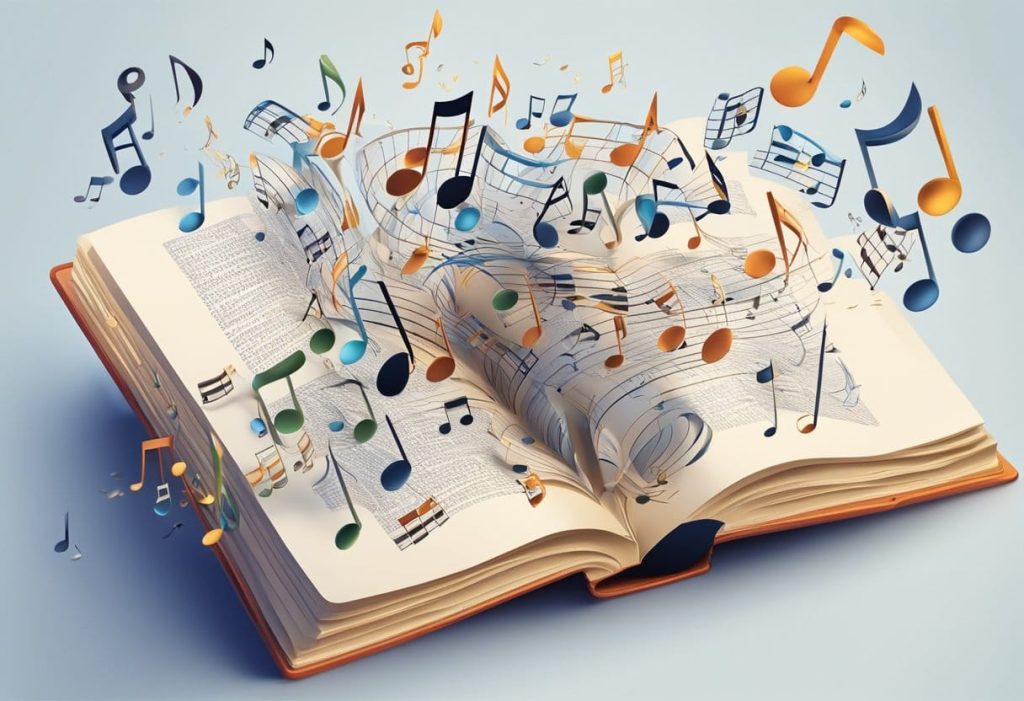
As we delve deeper into this topic, we will explore various examples and examine how the power of music resonates within diverse creative domains. Join us on this journey to uncover the intricate connections that music forms with artistic creativity. Together, we can celebrate the profound impact that melodies and rhythms continue to have on the art world and beyond.
DISCOVER: Click here to learn how to turn your passion into profit
Music as a Muse: Inspiring Visual Art and Dance
The interplay between music and visual arts is a testament to the way melodies and harmonies can evoke feelings and visions that transcend traditional boundaries. Music’s ability to convey emotion allows artists to tap into a rich source of inspiration. For example, the Impressionist movements in the painting world parallel the fluidity of music, as artists sought to capture transient moments influenced by sounds they heard. Artists like Claude Monet and Pierre-Auguste Renoir embraced light and color in ways that mirrored the natural rhythms found in music, underlining a shared emotional resonance. Their works often capture the essence of a feeling, similar to how a song can stick in one’s mind, provoking reflection and intensity.
Moreover, the connection between music and dance is perhaps one of the most palpable examples of how sound inspires movement. Every genre has its unique dance style, derived from or inspired by the music it accompanies. Some notable examples include:
- Ballet: With heavy classical roots, ballet draws from compositions that dictate precision and grace, pairing specific movements with musical cues.
- Hip-Hop: Emerging from urban culture, hip-hop incorporates improvisation and freestyle moves, creating a direct relationship between the beat and the dancers’ expressions.
- Tap Dance: This form transforms the body into a musical instrument, where rhythmic footwork produces sounds that complement the music, creating an entire auditory experience.
The relationship between music and dance also cultivates community and culture, as groups gather to celebrate and explore these art forms together. Live performances, dance competitions, and even social events revolve around musicality, highlighting how the two interact harmoniously. With each note, dancers interpret rhythms through their movements, embodying a creative dialogue that captivates audiences. This synergy is not just an aesthetic collaboration; it is an exploration of shared experiences and emotions.
Within literature, the musical influence is equally profound. Writers harness the rhythm and cadence of music to enhance their storytelling. Prose that mimics the tempo of a song can evoke emotion or create tension, drawing readers into the narrative in a deeply resonant manner. The use of repetition and alliteration often showcases this connection, as demonstrated in the works of authors like Kurt Vonnegut and Maya Angelou, who effortlessly weave musical vernacular into their prose. As readers navigate through their works, they may feel like they are dancing along with the story being told, rhythmically engaged in the narrative’s flow.
Thus, music’s capability to inspire creativity is evident across various disciplines. Its presence not only transcends artistic genres but also fosters collaboration that leads to new realms of expression. By examining these connections, it becomes increasingly clear how harmonies and rhythms are not just sounds to be heard but transformative forces that can shape and enrich the world of art.
| Artistic Expression | Influence of Music |
|---|---|
| Visual Arts | Musicians often draw inspiration from artistic techniques present in visual arts, creating a dialogue between sound and sight. |
| Literature | The rhythm of language in poetry and prose mirrors musical composition, enhancing emotional depth and evocative storytelling. |
| Dance | Movement and choreography are fundamentally tied to music’s beat and tempo, allowing for spontaneous expressions of creativity. |
| Film Making | Soundtracks shape the emotional landscape of films, influencing how audiences perceive narratives and character development. |
Music’s profound impact on various art forms showcases its importance in inspiring and enhancing creative expression. In visual arts, for instance, artists often synthesize melodies with colors and shapes, producing artwork that resonates on a deeper emotional level. Similarly, literature benefits from the musicality of words, where rhythm and meter can evoke strong feelings. Dance, naturally, finds its very foundation in music; the fusion of movement and sound allows dancers to communicate unspoken narratives, captivating audiences with the synergy of both disciplines. Furthermore, in film making, scores significantly shape the viewer’s experience, manipulating tension and resolution, crucial to storytelling.Exploring the interplay between these diverse forms prompts further investigation into how one creative discipline can inform and uplift another, paving the way for innovative collaboration across artistic boundaries. The depth of music’s influence in various artistic expressions invites an ongoing dialogue worth pursuing across cultural landscapes.
DISCOVER MORE: Click here for an in-depth look
Music’s Role in Shaping Theatrical and Film Arts
The realm of theater and film further exemplifies how music serves as a powerful cornerstone of artistic expression. Through scores and soundtracks, composers and musicians elevate narratives beyond spoken word. Iconic films such as “Star Wars” and “The Lion King” showcase how musical themes help define characters, reinforce narratives, and create lasting emotional connections with audiences. The rise of cinematic music scores has transformed how stories are told on screen, enhancing drama and evoking profound emotional reactions.
Innovative musical techniques, like leitmotifs—short recurring musical phrases associated with particular characters or themes—have been employed by composers such as John Williams and Hans Zimmer, effectively crafting sound as a narrative device. This technique blurs the lines between visual and auditory art, pulling viewers deeper into the worlds created on screen. Audiences often respond emotionally to these musical cues, responding to the non-verbal storytelling that accompanies visual imagery, thus showcasing how harmonies can exert influence over one’s perception of a story.
Additionally, the theatrical world leans heavily on musicals, where the music is not merely a background element but an essential part of the storytelling process. Productions such as “Hamilton” and “West Side Story” rely on powerful scores that intertwine with choreography and script, presenting a cohesive narrative told through song and dance. This integration demonstrates how music enriches the theatrical experience, inspiring actors and directors to innovate and explore the boundaries of expression.
The Impact of Music on Fashion and Design
Music’s influence extends even into the realms of fashion and design, where sound shapes creative processes and aesthetic movements. Numerous fashion designers cite music as their muse—designs are often inspired by the rhythms and feelings that resonate within a track. For instance, the punk rock movement heavily influenced fashion trends in the 1970s, where the raw energy of punk music translated into edgy silhouettes and bold design choices. Designers like Vivienne Westwood embraced this ethos, creating pieces that embodied the rebellious spirit of the music scene.
The contemporary intersection of music and fashion is paramount in events like fashion weeks and music festivals, where artistic expressions collide in celebration. Designers collaborate with musicians, resulting in unique merchandise or live performances that turn fashion shows into multimedia experiences. An example is the annual Coachella Valley Music and Arts Festival, which blends art installations, celebrity fashion, and music performances, effectively creating a nexus for creativity that inspires innovation across multiple disciplines.
Moreover, the relationship between music and graphic design is evident in album artwork. Visual artists work closely with musicians to create cover art that reflects themes and narratives within the music, establishing an aesthetic identity that resonates with listeners. From classic vinyl covers by artists like Andy Warhol to modern digital representations, the collaboration underscores how the visual is intertwined with the auditory, driving deeper appreciation for both forms of art.
In various aspects of artistic expression, the rhythm and harmonies found in music push creators to explore uncharted territories. Thus, music does not stand alone; it serves as a connective tissue binding diverse art forms, affirming its pivotal role in fostering creativity and nurturing innovative expressions. By examining these intricate relationships, one can appreciate music’s profound impact on shaping artistic landscapes across the globe.
DISCOVER: Click here to transform your memories into narratives
Conclusion
The multifaceted relationship between music and artistic expression illuminates the ever-evolving landscape of creativity across various disciplines. From theatrical productions that employ evocative musical scores to elicit deep emotional responses, to the dynamic convergence of music and fashion that inspires daring design choices, it is evident that harmonies and rhythms breathe life into countless forms of art. The profound ability of music to enhance storytelling in films, through techniques like leitmotifs, demonstrates its unique power to engage audiences on a visceral level, transcending the confines of mere auditory enjoyment.
As we delve into the realms of graphic design and fashion, we uncover how creative professionals across these fields continuously draw inspiration from the musical landscapes that shape their vision. Whether it is through collaborative album artwork or memorable fashion statements at festivals, the synergy between music and visual arts fosters innovation and redefines the scope of artistic practice. This interconnectedness not only enriches the arts but also cultivates a rich tapestry of cultural expression that resonates globally.
In conclusion, the influence of music on artistic expression is profound and far-reaching. As we continue to explore the intricate links between sound and creativity, we invite artists and enthusiasts alike to embrace the rhythmic essence of music as a wellspring of inspiration. By recognizing and harnessing this dynamic interplay, we can not only celebrate the arts but also encourage future generations to explore the limitless potential of their creative expressions.