The Influence of Art on Mental Health: How Artistic Expression Can Help Overcome Personal Challenges
Understanding the Multifaceted Role of Art in Mental Health
Art has proven to be a powerful medium for individuals grappling with emotional turbulence. It serves not only as a creative outlet but also as a therapeutic mechanism, enabling people to navigate through their personal struggles effectively. The ways in which artistic expression aids in mental well-being can be profound and transformative.
- Emotional Release: Artistic activities, whether through painting, writing, or music, provide a vital channel for expressing feelings that words often cannot encapsulate. For example, a person dealing with grief may find solace in creating a painting to depict their emotions, allowing them to explore and process their loss in a profound way. This cathartic release can lead to emotional relief and clarity.
- Mindfulness: Engaging in creative practices fosters a state of mindfulness, as artists immerse themselves in their work. This focus on the present moment can combat anxiety and stress. Studies have shown that activities such as coloring books or pottery can engage the mind enough to distract from distressing thoughts, promoting relaxation and mental peace.
- Community Connection: The communal aspect of art can play a significant role in enhancing social bonds. Participating in group projects, such as mural painting or community theatre, not only allows individuals to express themselves creatively but also fosters connections and friend groups that can provide emotional support and a sense of belonging.
Rising interest in the intersection of art and mental health has brought about a host of innovative practices and programs across the United States.
- Art Therapy: This structured form of therapy has gained recognition in various therapeutic settings, from hospitals to private practices. Certified art therapists guide clients through creative processes that facilitate healing and self-discovery. This method has been shown to help those dealing with trauma, depression, and anxiety.
- Creative Workshops: Community centers nationwide are offering workshops designed for individuals to explore different forms of artistic expression. These classes create a safe space for self-exploration and foster personal connections. For instance, programs such as the Community Arts Project in Denver encourage local residents to partake in artistic endeavors, creating lasting friendships and support networks.
- Success Stories: Many individuals cite their engagement in artistic pursuits as a turning point in their mental health journey. For instance, celebrities and public figures openly discuss how painting, music, or writing has aided their recovery from various mental health issues, inspiring others to seek creative solutions. These testimonials emphasize the role art can play as a lifeline during challenging times.
As societal norms shift to prioritize mental well-being, it becomes increasingly crucial to explore the potential of artistic expression. By investigating the profound connection between creativity and mental health, we can uncover how engaging with art can empower individuals to rise above life’s challenges and ultimately lead to deeper emotional healing.
DIVE DEEPER: Click here to learn more about the evolution of online music teaching
Benefits of Artistic Expression in Mental Wellness
Artistic expression is not just about the end product; it is also about the journey of creation, a process through which individuals can unearth and confront their innermost feelings. The implications of engaging in artistic activities for mental health are far-reaching and encompass various psychological benefits that aid in coping with personal challenges.
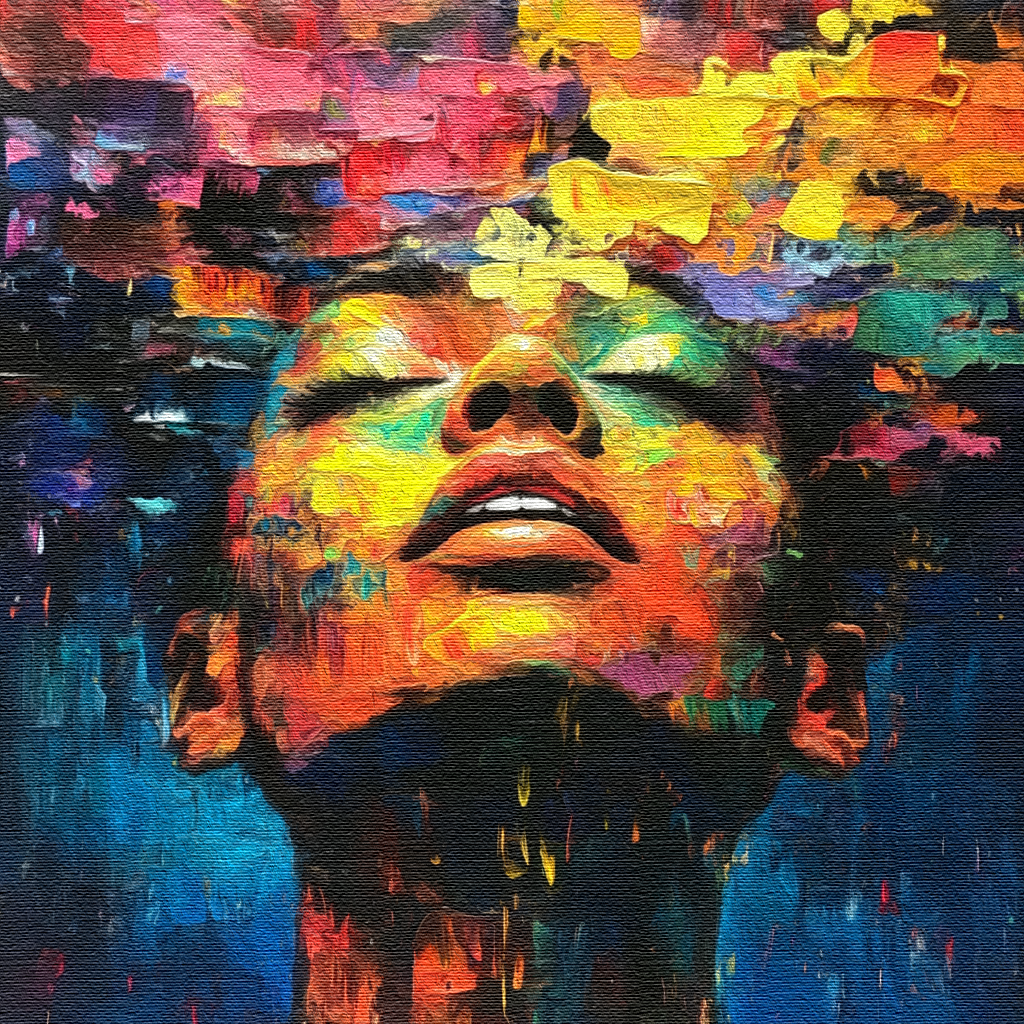
- Facilitating Self-Discovery: Creative pursuits encourage introspection and self-reflection. When individuals engage in art, be it through drawing, sculpting, or writing, they often stumble upon unexamined feelings and thoughts that might have remained buried otherwise. For instance, someone struggling with anxiety may find it valuable to create journal entries or visual art that represents their fears, leading to greater self-awareness and understanding.
- Improving Emotional Regulation: Engaging in artistic practices helps individuals work through their emotions in a constructive manner. Through the act of creation, individuals learn to channel intense emotions into their art. This process can serve as a coping mechanism, allowing for the expression of feelings such as anger, sadness, or frustration in a safe and controlled environment. As a result, emotions are not suppressed but rather acknowledged and processed, leading to improved emotional regulation.
- Boosting Confidence: Completing an art project, regardless of skill level, can significantly enhance an individual’s self-esteem. As participants observe their progress and the value of their creations, they build a stronger sense of self-worth. This newfound confidence can spill over into other aspects of their lives, empowering individuals to tackle personal challenges with a more positive outlook.
- Creating Structure and Routine: Artistic activities can provide a semblance of structure in the chaos of life, especially for those experiencing mental health challenges. By incorporating a regular creative practice, individuals establish a routine that encourages discipline and focus. Such structure can be especially beneficial for those managing conditions like depression, where motivation may wane. Routine fosters reliability in the face of instability, offering individuals a sense of control.
- Encouraging Problem-Solving Skills: Engaging in art often presents unforeseen challenges, from technical difficulties to creative blocks. Navigating through these obstacles cultivates resilience and enhances problem-solving skills. Individuals learn to approach issues from different angles, and this pliability can translate into everyday challenges, equipping them with tools to cope more effectively in various life situations.
The intersection of art and mental health is a burgeoning field of interest. As artists and mental health professionals alike continue to explore this connection, numerous workshops and initiatives across the country aim to harness the therapeutic power of art. Programs that promote creativity are becoming increasingly prevalent, reflecting society’s growing recognition of the importance of mental wellness.
Overall, the influence of artistic expression extends well beyond catharsis; it offers a profound method for enhancing emotional, psychological, and social well-being. For those grappling with personal battles, exploring creative outlets can serve as a remarkable path toward healing and self-discovery.
Artistic expression serves as a powerful tool for enhancing mental health, offering individuals a profound means of self-exploration and emotional release. Engaging in creative activities—whether through painting, music, writing, or performance—can lead to significant therapeutic benefits, allowing individuals to process complex emotions and experiences. One of the most compelling advantages of artistic expression is its capacity to foster self-awareness. By channeling feelings into a tangible form, individuals can confront their inner struggles in a safe environment. This act not only promotes healing but also encourages a deeper understanding of one’s thoughts and emotions. Studies have shown that individuals who engage in creative activities often report a heightened sense of personal stability and clarity.Moreover, art provides a unique avenue for communication. For those who may struggle to articulate their feelings verbally, visual arts or performance can offer an alternative medium. This form of expression can break down the barriers that prevent individuals from sharing their struggles, facilitating conversations that might not occur otherwise. Furthermore, the collaborative nature of many art forms can help alleviate feelings of isolation, as it fosters community connection and support.Additionally, creating art has been linked to stress reduction. Engaging in artistic activities can lower cortisol levels, the hormone associated with stress, leading to a calmer state of mind. This relaxation response can be particularly beneficial for individuals dealing with anxiety or depression, as it provides a constructive and enjoyable distraction from daily challenges.The versatility of art means it can be tailored to suit anyone, regardless of age or background. Art therapy programs have gained traction in various settings, from schools to hospitals, highlighting the growing recognition of its benefits in enhancing mental well-being. As more people embrace artistic expression as a means to navigate their personal challenges, the potential for healing through art continues to expand. In summary, the influence of art on mental health is profound—acting as a catalyst for self-discovery, communication, and stress relief. By exploring these avenues, individuals can unlock new paths to healing and resilience, transforming their struggles into powerful works of art that inspire both themselves and others.
DISCOVER MORE: Click here to dive deeper
Art as a Therapeutic Tool in Mental Health Treatments
While the intrinsic benefits of artistic expression are profound, the structured use of art therapy in mental health treatment has gained increasing recognition and traction in recent years. By integrating art into psychotherapeutic practices, therapists provide clients with a unique avenue to explore their thoughts and emotions that transcends traditional verbal communication. This innovative approach caters to individuals who may struggle to articulate their feelings, particularly those dealing with trauma, anxiety, or depression.
- Art Therapy Framework: Art therapy typically involves a certified therapist guiding clients through creative processes that are tailored to individual needs. Whether it’s painting, collage, or clay modeling, the choice of medium allows clients to engage in self-discovery without the pressure to produce a “perfect” result. According to the American Art Therapy Association, this form of therapy promotes healing through creative expression, as it aids individuals in exploring emotions, resolving conflicts, and enhancing self-awareness.
- Breaking Down Barriers: For many, discussing feelings can be daunting, and the stigma surrounding mental health can create significant barriers. Art offers a path to bypass verbal roadblocks; the process of creating can help unlock complex emotions that may be difficult to express otherwise. Studies have shown that participating in art therapy can lead to significant reductions in anxiety and depression symptoms, offering a viable complementary treatment alongside traditional psychological interventions.
- Community and Connection: Beyond personal introspection, art can foster community engagement and social connection. Group art therapy sessions encourage individuals to collaborate and share experiences, creating a supportive environment where participants can form bonds based on mutual understanding. These interactions help diminish feelings of isolation, particularly for those who may feel alienated due to their mental health struggles. Community art projects, such as murals or installations, can also instill a sense of belonging and purpose, bringing positive change to shared spaces.
- Scientific Validation: Research into the effects of art on mental health continues to grow, with numerous studies highlighting the tangible benefits of engagement in art-making activities. For example, a study published in the Journal of the American Art Therapy Association found that just 45 minutes of art-making can significantly decrease cortisol levels, a key hormone related to stress. Similarly, the National Endowment for the Arts has noted that creative activities contribute to overall well-being, emphasizing their importance within public health conversations.
- Accessible and Inclusive: One of the most appealing aspects of artistic expression in mental health is its inclusivity. Regardless of an individual’s artistic capabilities, engaging with art in any form can provide therapeutic value. Community art programs often welcome participants of all skill levels, making art a feasible and approachable method for improving mental health. This is especially pertinent in underserved communities where access to mental health resources may be limited.
The exploration of art as a therapeutic tool offers hope to many facing personal challenges. By providing an opportunity to express and process emotions creatively, art becomes a beacon of light in the often difficult journey of mental health recovery. As the relationship between artistic expression and mental wellness becomes more established, it is likely that more individuals will discover its potential to catalyze change in their lives.
DISCOVER MORE: Click here to learn about creative workshops that bring people together
Final Thoughts on the Role of Art in Enhancing Mental Health
In conclusion, the influence of art on mental health is an ever-expanding field that continues to reveal the transformative power of creative expression. The journey through personal challenges often feels isolating and overwhelming; however, artistic expression emerges as a vital tool for healing and emotional release. By engaging with various art forms, individuals can unlock emotions, confront trauma, and foster self-discovery in a safe and non-judgmental space.
Moreover, art’s accessibility makes it a universally appealing avenue for those seeking improvement in their mental well-being. Whether through therapy-driven activities or community-based projects, art empowers individuals to connect with others, cultivate relationships, and combat feelings of loneliness. The proven benefits, including reduced anxiety and enhanced self-awareness, underscore the need for integrating artistic practices into both therapeutic settings and everyday life.
As research continues to strengthen the evidence supporting art’s positive impact on mental health, strides must be made to ensure that these approaches become widely available and accepted as legitimate mental health treatments. By fostering discussions around the importance of artistic expression in overcoming mental health challenges, society can break down barriers and promote a culture where creativity and mental wellness are intertwined. The time is ripe for individuals and communities to explore the rich tapestry of art’s potential as a beacon of hope and resilience in their mental health journeys.