Environmental Enrichment and Nutritional Care: The Key to Healthy Behaviors in Pets

Why Your Pet’s Daily Routine Matters More Than You Think
Across Nigerian homes, from Lagos apartments to compounds in Kano, pet owners are discovering a surprising truth: a bored dog or an undernourished cat often develops behavioral issues that have nothing to do with “bad temperament.” Environmental Enrichment for Pets and proper feeding routines are increasingly recognized as the real drivers of calm, happy animals.
Veterinary behaviorists worldwide report that up to 70% of destructive pet behaviors stem from unmet mental and nutritional needs. This is not just an international trend—it applies directly to households raising dogs, cats, and even birds in Nigeria’s diverse climate.
The Hidden Cost of a Predictable, Understimulated Life
Think about the average pet’s day: eat, sleep, wait by the gate, sleep again. For many animals confined to small compounds or apartments without access to varied stimuli, this monotony builds up quietly until it explodes into chewed furniture, excessive barking, or unexplained aggression towards visitors. Nigerian vets in cities like Abuja and Port Harcourt have noted a rise in consultations for “problem pets” that, upon closer inspection, are simply understimulated animals crying out for attention in the only way they know how.
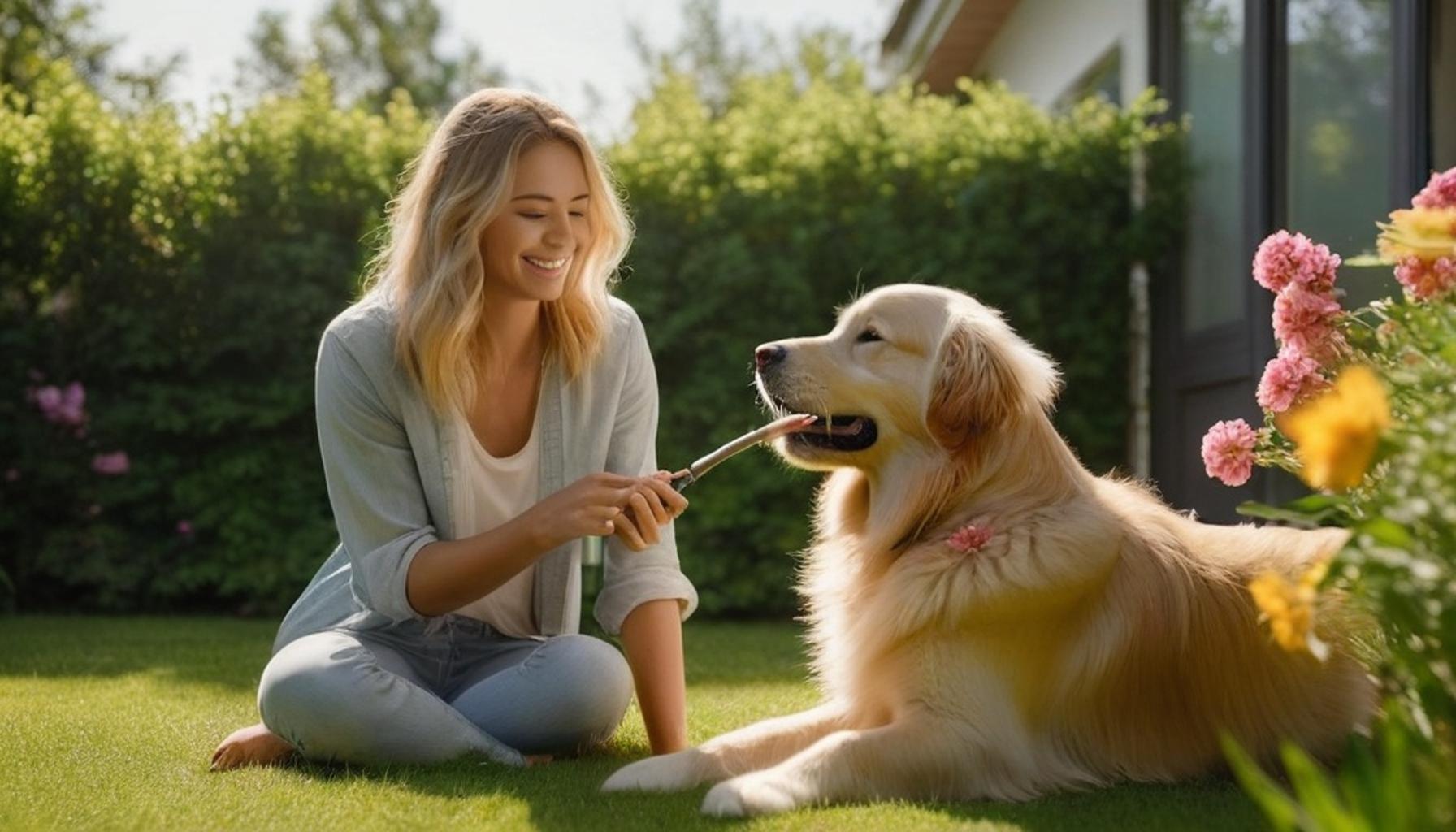
Enrichment does not require expensive imported toys. A dog left to sniff around a garden, a cat given cardboard boxes to explore, or a parrot allowed to forage for hidden treats can experience dramatic behavioral improvements within weeks. These small interventions tap into instincts that domestication never erased.
What This Article Will Uncover
Understanding Healthy Pet Behaviors requires looking beyond basic care. Owners often overlook two critical pillars:
- Nutritional Care for Pets – how balanced diets influence mood, energy, and disease prevention
- Enrichment Activities for Pets – simple, low-cost ways to stimulate natural instincts
- Common warning signs of neglect in feeding and environmental stimulation
- Practical, locally adaptable solutions for Nigerian pet owners
The Importance of Nutrition in Pets cannot be overstated—it affects everything from coat condition to cognitive function. Pair this with intentional enrichment, and owners can prevent anxiety, aggression, and obesity before they start.
Why Local Context Changes the Conversation
Nigeria’s climate, market realities, and living arrangements mean that generic pet advice from Western sources often falls short. A pet owner in Ibadan managing heat stress has different priorities than someone in Jos dealing with cooler temperatures. Similarly, the availability of commercial pet food varies widely, pushing many households towards homemade meals that, without proper guidance, may lack essential nutrients like taurine for cats or specific vitamins for growing puppies.
This gap between global best practices and local realities is exactly where most confusion arises. Owners want to do right by their animals but often lack access to Nigeria-specific, practical guidance that accounts for budget constraints, market availability, and household routines.
This article breaks down essential Pet Care Tips backed by veterinary insight, offering actionable strategies rather than vague advice. Readers will leave equipped to transform their pet’s daily life—one small, informed change at a time, using resources and ideas that fit realistically within a Nigerian household’s rhythm and budget.
LEARN MORE: Environmental enrichment as a tool to improve hygiene and nutritional health of pets
# Understanding the Science Behind Enrichment and Nutrition
How Nutrition Shapes Behavior Long Before You Notice
Most Nigerian pet owners assume behavioral problems are purely psychological. Yet Nutritional Care for Pets plays a far bigger role than most realize. A dog fed inconsistent, low-quality meals can develop irritability, lethargy, or sudden aggression—symptoms easily mistaken for training failures rather than dietary deficiencies.
Research from veterinary nutrition studies shows that deficiencies in omega-3 fatty acids, zinc, and B-vitamins directly affect neurotransmitter function in animals. In practical terms, this means a cat missing key nutrients isn’t just physically unwell—it may become withdrawn, anxious, or unusually vocal at odd hours. Scientists studying companion animal health have repeatedly found that the gut and brain communicate constantly, meaning what enters the bowl often determines what comes out in temperament.
In Nigerian households where table scraps or inconsistent feeding schedules are common, these gaps often go unnoticed for months. A puppy fed mostly rice and bone broth, for instance, may grow but lack the protein density needed for proper muscle and brain development. Over time, this manifests as poor coordination, delayed learning during training, and a noticeably shorter attention span compared to properly nourished littermates.
Many families in cities like Ibadan or Port Harcourt rely on whatever is affordable and available, often without realizing that cheaper does not always mean adequate. A balanced diet does not have to be expensive, but it must be intentional, with attention paid to protein sources, hydration, and micronutrient variety rather than just filling the stomach.
The Importance of Nutrition in Pets Goes Beyond the Bowl
The Importance of Nutrition in Pets extends into areas owners rarely connect to food: skin health, joint mobility, and even how a pet tolerates Nigeria’s hot, humid climate. Dehydration combined with poor diet accelerates fatigue and irritability, particularly in dry-season months across northern states like Kano and Kaduna, where temperatures can strain even well-adapted local breeds.
Veterinary nutritionists recommend watching for these often-overlooked signs of dietary imbalance:
- Dull or flaking coat despite regular grooming
- Excessive scratching without visible parasites
- Sudden weight changes despite consistent feeding amounts
- Low energy during typically active hours
- Unusual aggression around feeding time, suggesting nutrient anxiety
These indicators rarely appear in isolation. When combined with limited mental stimulation, they compound into what many owners misdiagnose as “stubbornness” or “bad breed temperament.” A pet showing several of these signs simultaneously is often communicating distress in the only way it knows how, through behavior rather than words.
Owners who keep informal feeding journals—noting what was eaten, when, and how the animal behaved afterward—often uncover patterns that a single vet visit might miss. This simple habit, borrowed from human nutrition tracking, is slowly gaining traction among more attentive Nigerian pet owners.
Why Enrichment and Diet Cannot Be Separated
Here is where most advice falls short: treating Environmental Enrichment for Pets and nutrition as separate issues. In reality, they operate together. A well-fed dog with zero mental stimulation still chews furniture. An enriched but poorly nourished cat still develops stress-related illnesses. Neither factor works in isolation, and addressing only one often leads to partial, frustrating results.
Consider a typical case reported by Lagos-based veterinary clinics: a two-year-old dog exhibiting destructive chewing was initially treated as a training issue. After dietary adjustments—adding protein-rich local options like fish and eggs—alongside simple enrichment tools such as scent-based games, the behavior reduced significantly within three weeks. No expensive intervention was required, only informed adjustments.
Similar patterns emerge across species. Cats confined indoors without stimulation, fed only dry kibble lacking moisture and variety, often display compulsive grooming or excessive meowing. Introducing puzzle feeders alongside slightly varied, nutrient-dense meals has, in several documented cases, reduced these behaviors within weeks rather than months.
This connection between body and behavior forms the foundation of every recommendation that follows in this guide, blending practical Pet Care Tips with realistic solutions for Nigerian homes. Understanding this link early can save owners years of confusion, unnecessary veterinary bills, and misplaced blame directed at an animal that may simply be asking, through its behavior, for better care.

LEARN MORE: Nutritional Care and Its Relationship with the Hygiene and Health of Pets
# Environmental Enrichment and Nutritional Care: The Key to Healthy Behaviors in Pets
Building Practical Enrichment Activities for Pets in Nigerian Homes
Most conversations about Environmental Enrichment for Pets assume access to imported toys or expensive gadgets. This assumption keeps many Nigerian pet owners from even attempting enrichment, believing it requires resources beyond their budget. That belief is largely false, and it is worth unpacking why so many people still hold onto it despite mounting evidence to the contrary.
Enrichment simply means giving an animal opportunities to use its natural instincts—sniffing, foraging, problem-solving, and exploring—rather than leaving it idle for hours. A dog left in a compound all day with nothing but a food bowl is not living comfortably; it is enduring boredom that eventually turns into destructive or anxious behavior. Cats confined indoors without stimulation face a similar fate, often expressing frustration through scratching furniture or excessive vocalization at odd hours of the night.
Local materials work surprisingly well. Empty plastic bottles with holes cut into them make effective foraging toys when filled with kibble. Cardboard boxes, sourced free from markets in places like Onitsha or Aba, can be transformed into scent-based puzzles within minutes. These low-cost Enrichment Activities for Pets mirror commercial products costing several thousand naira, minus the price tag. Even discarded yam sacks or old wrappers, when used creatively, can become tug toys or digging stations that satisfy a pet’s need for physical engagement.
Simple Enrichment Ideas That Cost Almost Nothing
- Hiding small food portions around the yard to encourage natural foraging behavior
- Rotating two or three toys weekly instead of leaving all toys out permanently
- Using old socks knotted around treats as makeshift puzzle toys for dogs
- Introducing cats to cardboard tunnels or paper bags for exploration
- Setting aside fifteen minutes daily for structured play rather than passive presence
- Creating simple obstacle courses using stacked chairs or empty buckets for active dogs
These small adjustments, according to animal behaviorists, can reduce destructive tendencies by encouraging mental engagement that a static environment simply cannot provide. The principle behind this is not complicated: animals evolved to work for their food and territory, and removing that challenge entirely often creates more problems than it solves.
What Happens When Enrichment Is Ignored
Veterinary behaviorists across Nigeria report a recurring pattern: pets confined to small compounds without stimulation frequently develop repetitive behaviors such as excessive digging, fence-pacing, or persistent barking at nothing visible. These are not random quirks—they are coping mechanisms for understimulated minds, comparable to how humans might fidget or pace when left with nothing productive to do for extended periods.
A survey of urban dog owners in Abuja found that animals given less than ten minutes of active engagement daily were nearly three times more likely to display destructive chewing compared to dogs receiving thirty minutes or more. While sample sizes in such informal studies remain small, the pattern aligns with global veterinary behavior research spanning decades, suggesting the trend is not unique to any single region or breed.
This is where Healthy Pet Behaviors truly begin—not from punishment or scolding, but from meeting instinctual needs before frustration builds. A pet that digs excessively may not be “badly behaved”; it may simply be starved of purposeful activity. Owners who scold without addressing the underlying cause often find the behavior returns stronger, sometimes accompanied by new symptoms like reduced appetite or withdrawal from family members.
Combining these enrichment habits with consistent, nutrient-rich feeding creates a feedback loop where the animal remains physically satisfied and mentally occupied simultaneously. Proper nutrition supports steady energy levels, which in turn makes enrichment activities more effective, since a well-fed pet has the stamina to engage fully rather than tiring quickly or losing interest. Owners applying both elements together, rather than choosing one over the other, consistently report calmer, more predictable pets within just a few weeks of adjustment.
# Environmental Enrichment and Nutritional Care: The Key to Healthy Behaviors in Pets
Pulling It All Together: A Sustainable Path Forward for Nigerian Pet Owners
The evidence gathered throughout this discussion points toward one unavoidable conclusion: Environmental Enrichment for Pets and proper feeding are not luxuries reserved for wealthy households abroad. They are practical, achievable habits that any Nigerian pet owner can adopt using materials already available in their compound or local market.
What separates a calm, well-adjusted dog from an anxious, destructive one often comes down to two things happening simultaneously—mental stimulation and consistent nutrition. Neither factor works effectively in isolation. A pet fed excellent food but left bored all day will still develop behavioral issues, just as an enriched environment cannot compensate for poor nutrition over time.
The Importance of Nutrition in Pets extends far beyond simply filling a bowl. Energy levels, coat condition, digestion, and even mood swings trace back to what goes into that bowl daily. Pair this with the Enrichment Activities for Pets outlined earlier, and owners create conditions where animals thrive rather than merely survive.
Key Takeaways for Everyday Application
- Small, low-cost enrichment tools can rival expensive imported alternatives
- Understimulated pets often display destructive behavior mistaken for disobedience
- Nutritional Care for Pets directly influences how well an animal engages with enrichment
- Consistency matters more than perfection when building new routines
Nigerian households sit on an underused advantage: access to fresh, local materials that support both feeding and enrichment without straining tight budgets. Yam sacks, cardboard, plastic bottles, and locally sourced proteins can accomplish what costly imported products promise, often with comparable results.
Moving forward, owners searching for reliable Pet Care Tips should resist treating enrichment and nutrition as separate projects. They function best as one continuous system, adjusted gradually as a pet’s age, breed, and energy levels shift over time. Those willing to observe their animals closely, rather than following rigid formulas, tend to discover what works fastest.
Ultimately, Healthy Pet Behaviors are not accidents—they are the visible result of deliberate, informed choices made daily. The pets thriving across Lagos, Kano, and Port Harcourt compounds today are proof that meaningful change requires observation and consistency, not necessarily expensive intervention.
Frequently Asked Questions
What is environmental enrichment for pets and why does it matter for dogs and cats in Nigeria?
Environmental enrichment for pets involves adding activities, toys, and sensory experiences that stimulate a pet’s mind and body, going beyond just food and shelter. In Nigeria, where many pets are kept mainly for security or left alone for long hours, enrichment helps reduce boredom-driven behaviors like excessive barking, digging, or destructive chewing. It also supports better mental health, especially for pets confined to small compounds or apartments in cities like Lagos and Abuja.
How can I create affordable environmental enrichment for pets using items found locally in Nigeria?
You can repurpose everyday items like empty plastic bottles, cardboard boxes, and old rags to make DIY puzzle feeders and chew toys for your pet. Hiding treats around the compound or using local fruits like watermelon rind (safely prepared) as a foraging activity also works well. These low-cost options provide mental stimulation without needing expensive imported pet toys that can be hard to find or pricey in many Nigerian markets.
Does the type of pet food I feed affect my pet’s behavior alongside environmental enrichment?
Yes, nutrition and behavior are closely linked, as poor diets lacking essential nutrients can lead to lethargy, aggression, or anxiety in pets. Combining balanced meals with quality proteins, appropriate for your pet’s breed and age, alongside enrichment activities produces calmer, healthier pets. In Nigeria, choosing trusted pet food brands or well-balanced home-cooked meals, rather than leftover human food alone, makes a noticeable difference in energy levels and temperament.
What are signs that my pet needs more environmental enrichment and better nutritional care?
Common signs include excessive barking, pacing, destructive chewing, overeating, or unusual aggression, which often signal boredom or nutritional deficiencies. Weight loss, dull coat, or low energy despite adequate feeding may point to poor diet quality rather than portion size. If you notice these behaviors in your pet, especially indoor dogs or cats in Nigerian homes, consult a veterinarian and gradually introduce enrichment activities alongside dietary adjustments.

Linda Carter
Linda Carter is a writer and pet care expert specializing in pet health, grooming, and wellness. With extensive experience helping pet owners create safe, loving, and enriching environments for their animals, Linda shares her knowledge on our platform. Her goal is to empower readers with practical advice and strategies to ensure their pets thrive and lead joyful, healthy lives.