Hygiene and Environmental Enrichment: How to Create a Healthy and Stimulating Space for Your Pet
Why Your Pet’s Living Space Matters More Than You Think
Across Nigerian homes, from Lagos apartments to Abuja compounds, pet ownership is growing steadily. Yet many pet parents focus only on feeding schedules and vet visits, forgetting a crucial factor: Hygiene and Environmental Enrichment.
A clean, stimulating environment isn’t just about aesthetics. It directly affects your pet’s physical health, mental wellbeing, and behavior patterns. Veterinarians across the country are increasingly reporting cases where the root cause of illness or bad behavior traces back not to diet or genetics, but to the surroundings pets spend most of their time in.
The Hidden Cost of Neglected Pet Spaces
Poor sanitation can trigger parasites, skin infections, and respiratory issues, especially in Nigeria’s humid climate. Damp bedding, uncleaned cages, and stagnant water bowls become breeding grounds for bacteria and fungi far faster in tropical conditions than in temperate regions. Boredom, on the other hand, often leads to destructive chewing, excessive barking, or anxiety-related disorders that many owners mistake for stubbornness rather than a cry for mental stimulation.
Consider these common warning signs that your pet’s environment needs attention:
- Persistent scratching or unusual odors around bedding areas
- Repetitive behaviors like pacing or tail-chasing
- Sudden aggression or withdrawal from interaction
- Frequent digging, chewing, or escape attempts
These signals often point to gaps in both pet hygiene tips and enrichment strategies. Unfortunately, many pet owners only notice these behaviors after they’ve escalated into costly vet bills or damaged furniture, when a few simple adjustments could have prevented the problem entirely.
What This Article Will Cover
Creating a healthy pet living environment requires more than good intentions—it demands practical, consistent action. This guide breaks down proven methods tailored for pet care in Nigeria, considering local climate, available resources, and common pet species. From the rainy season’s dampness in the South-South to the dust and heat of the North, every region presents unique challenges that pet owners must factor into their routines.
You’ll discover:
- Simple daily hygiene routines that prevent disease and reduce vet visits
- Affordable environmental enrichment for pets using household materials commonly found in Nigerian homes
- Step-by-step approaches to creating a stimulating space for pets indoors and outdoors, even in compact living quarters
- Warning signs that indicate your current setup isn’t working, and how to correct course before problems worsen
Whether you’re raising a dog in Port Harcourt or a cat in Ibadan, these insights will transform how you view your pet’s daily environment. By the end of this guide, you’ll have practical tools to turn any space, however modest, into a haven that supports both physical health and emotional wellbeing for your furry companion.
Building the Foundation: Daily Hygiene Practices That Protect Your Pet
Nigeria’s tropical climate creates a unique challenge for pet owners. Temperatures averaging between 25°C and 35°C, combined with high humidity in cities like Calabar and Warri, accelerate bacterial growth in ways many pet owners underestimate. This makes pet hygiene tips not just helpful advice, but essential survival strategies for your animal companion.
Understanding the Science Behind Sanitation
Bacteria and fungi multiply rapidly in warm, moist environments. A food bowl left unwashed for 24 hours in Lagos heat can harbor significantly more pathogens than the same bowl in cooler climates. This is why veterinarians increasingly emphasize hygiene as the first line of defense against preventable illnesses.
Skin conditions, ear infections, and gastrointestinal issues in dogs and cats often trace back to contaminated water sources or unwashed bedding. Fleas and ticks, already common due to Nigeria’s warm weather, thrive even more aggressively when sanitation lapses. What many owners dismiss as a minor scratching habit could actually signal a much deeper hygiene problem building silently beneath the surface.
A healthy pet living environment starts with consistency rather than complexity. You don’t need expensive equipment or imported products to maintain proper standards. Simple, locally available materials like basic disinfectants, clean water, and mild soap can achieve remarkable results when applied consistently over time.
Essential Daily and Weekly Routines
Establishing a rhythm makes hygiene manageable, even for busy households. Consider incorporating these practices:
- Wash food and water bowls daily using warm water and mild soap, rinsing thoroughly to remove residue
- Change bedding materials at least twice weekly, more often during rainy season when dampness lingers
- Clean litter boxes or designated waste areas daily to prevent ammonia buildup and odor
- Inspect ears, paws, and skin folds weekly for early signs of infection or parasites
- Disinfect cages, crates, or sleeping areas with pet-safe solutions at least once weekly
These steps take minutes but yield significant results. Pet owners in humid regions like Port Harcourt often notice fewer skin complaints and reduced vet visits after implementing consistent cleaning schedules. Some owners report that simply washing bowls twice daily instead of once dramatically reduced their pet’s tendency to vomit or refuse food, a small adjustment with outsized benefits.
Beyond physical cleaning, observation plays an equally important role. Many pet owners overlook subtle behavioral changes, such as excessive licking or reluctance to eat, which often signal underlying hygiene-related discomfort long before visible symptoms appear.
Adapting Hygiene Practices to Local Conditions
Effective pet care in Nigeria requires regional awareness. Homes in the North, where dust and heat dominate, face different challenges than those in the South, where rain and moisture create persistent dampness.
Northern pet owners should prioritize frequent water changes, since dust settles quickly and contaminates open bowls. Southern households need extra attention to bedding, ensuring materials dry completely to prevent mold growth and fungal infections that thrive in damp conditions. In cities like Kano, where harmattan winds carry fine dust particles, even indoor pets are not entirely shielded, making covered feeding areas a worthwhile investment.
Recognizing these environmental patterns transforms generic advice into practical, location-specific action that genuinely protects your pet’s health. As more Nigerian households embrace pet ownership, understanding these regional nuances could very well become the deciding factor between a thriving companion and one plagued by recurring, preventable ailments.
Key Aspects of Hygiene and Environmental Enrichment for Pets
Building a healthy pet living environment requires balancing cleanliness with mental stimulation. The table below highlights core elements of Hygiene and Environmental Enrichment that every pet owner should prioritize, offering practical pet hygiene tips alongside creative enrichment ideas.
| Aspect | Benefit / Action |
|---|---|
| Daily Cleaning Routine | Reduces bacteria and odor, preventing disease spread |
| Litter and Waste Management | Prevents infections and keeps living space odor-free |
| Interactive Toys | Boosts mental stimulation and reduces destructive behavior |
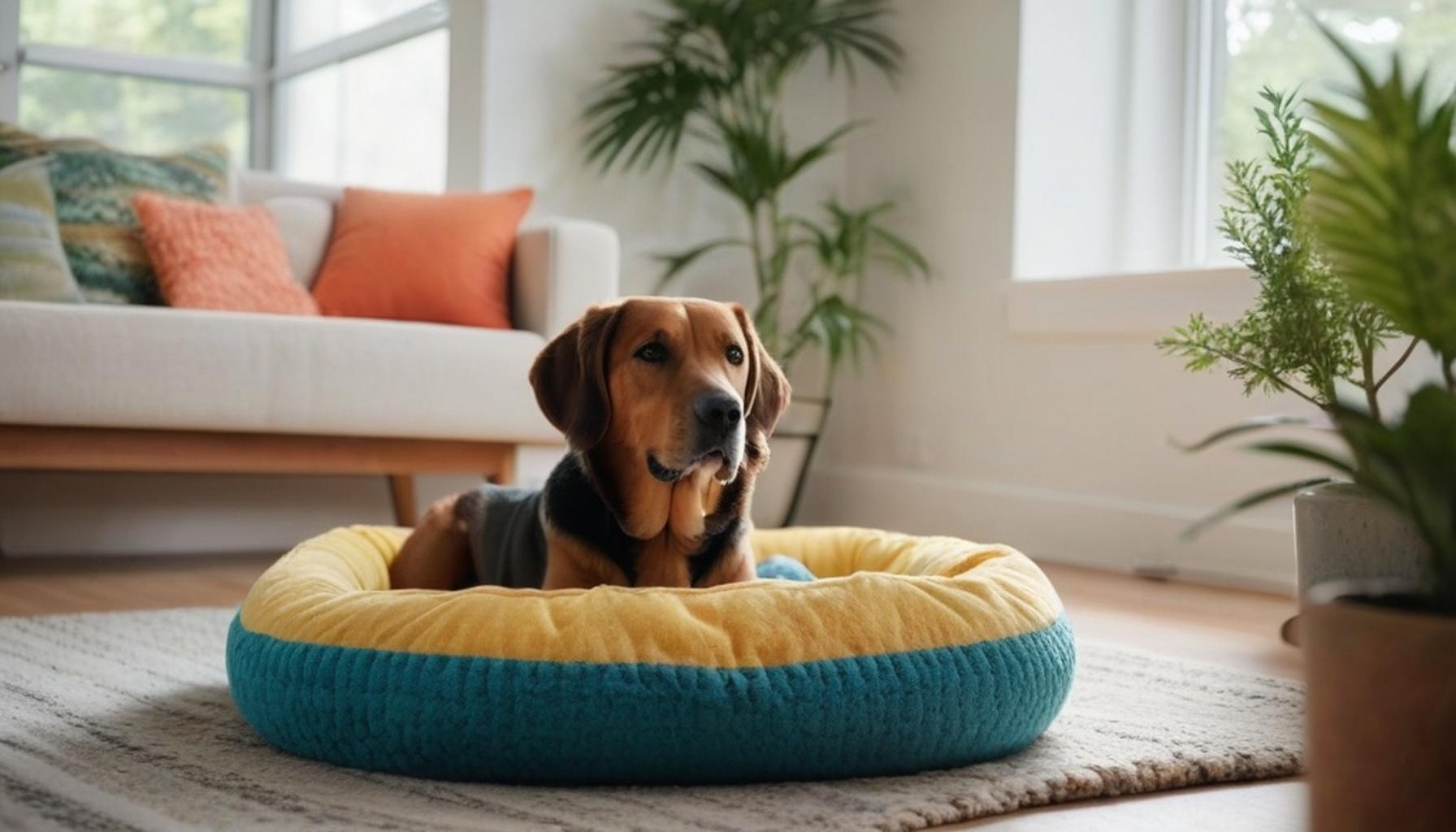
| Safe Rest Areas | Improves sleep quality and lowers stress levels |
| Outdoor Access | Encourages exercise and natural sensory exploration |
Together, these elements form the foundation of creating a stimulating space for pets, essential for responsible pet care in Nigeria and beyond.
LEARN MORE: Environmental Enrichment and Preventive Health: Strategies for Happy Dogs and Cats
Beyond Cleanliness: Why Mental Stimulation Matters Just as Much
Sanitation alone does not guarantee a happy, well-adjusted pet. Environmental enrichment for pets addresses a dimension many Nigerian households overlook entirely: mental and physical stimulation. A spotless cage housing a bored, understimulated animal still represents an incomplete approach to pet wellbeing.
Veterinary behaviorists have long observed that pets confined to sterile, uneventful spaces develop destructive habits. Dogs chew furniture, cats scratch excessively, and even birds pluck their own feathers when their environment fails to engage their natural instincts. This connection between boredom and behavioral problems remains underappreciated across many homes in Lagos, Abuja, and beyond.
Practical Enrichment Strategies for Nigerian Homes
Creating a stimulating space for pets does not require imported gadgets or costly investments. Everyday materials, many already present in Nigerian households, can transform a static environment into something genuinely engaging.
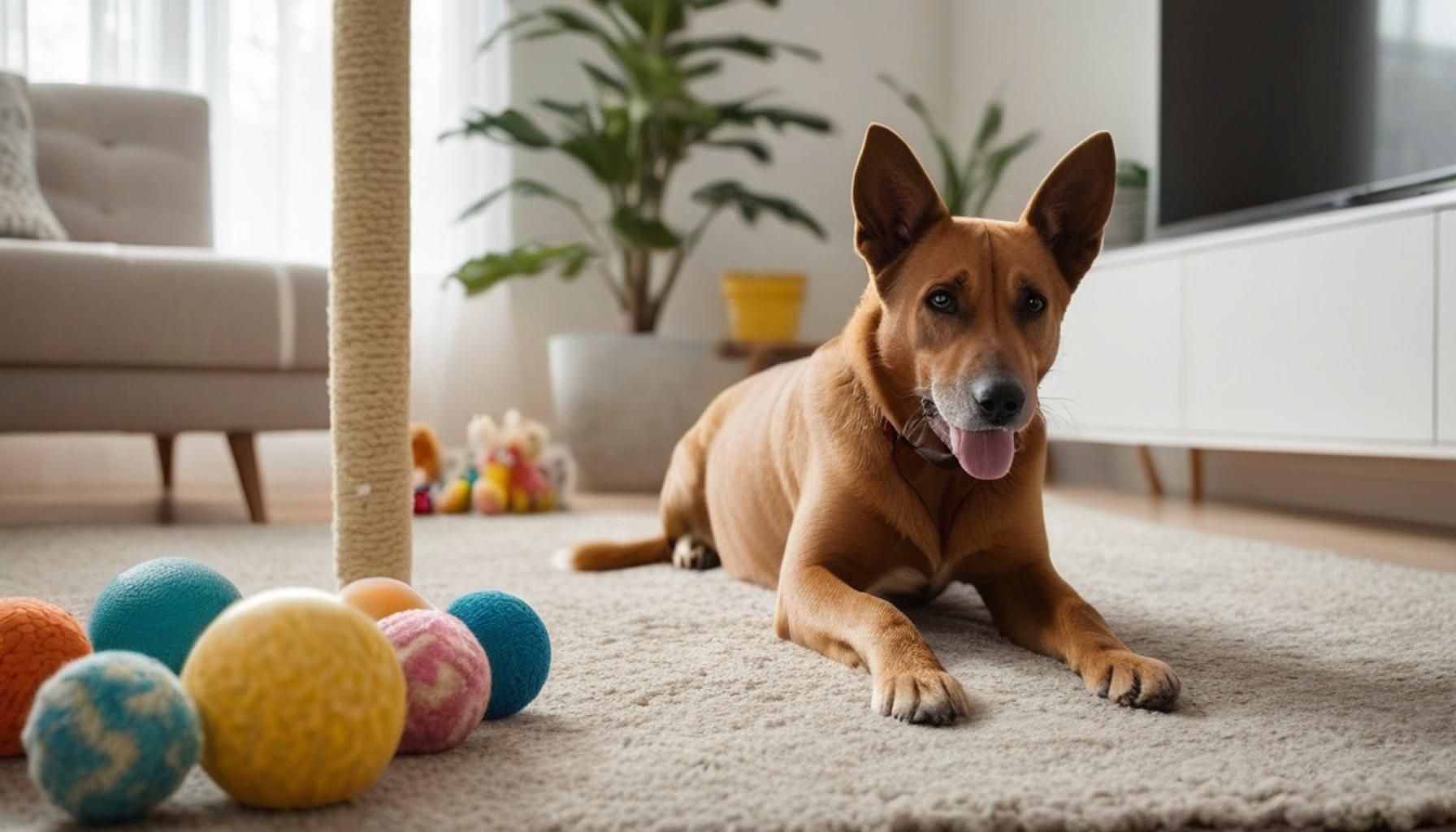
- Repurpose cardboard boxes into hiding spots or puzzle feeders for cats and small mammals
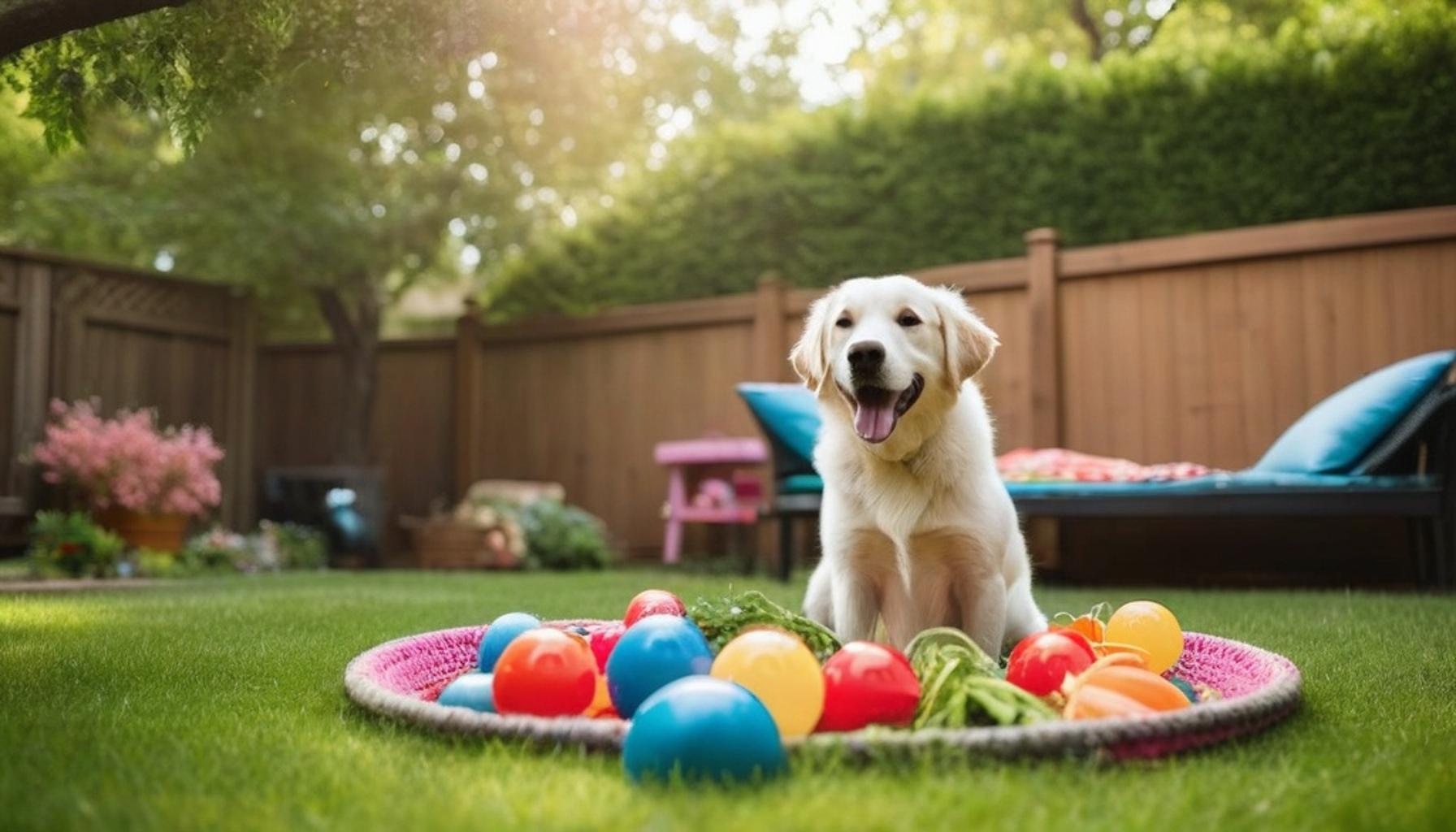
- Scatter dry food across grass or textured surfaces to encourage natural foraging behavior
- Rotate toys weekly rather than leaving the same items available indefinitely, preventing habituation
- Introduce safe outdoor supervised time, allowing dogs to explore scents and textures beyond four walls
- Use empty plastic bottles filled with treats as inexpensive, homemade enrichment tools
These low-cost solutions mirror strategies used in professional animal shelters worldwide, adapted here for local realities. Owners in Ibadan and Enugu have reported noticeably calmer pets after introducing even simple foraging games into weekly routines.
The Overlooked Link Between Space and Stress
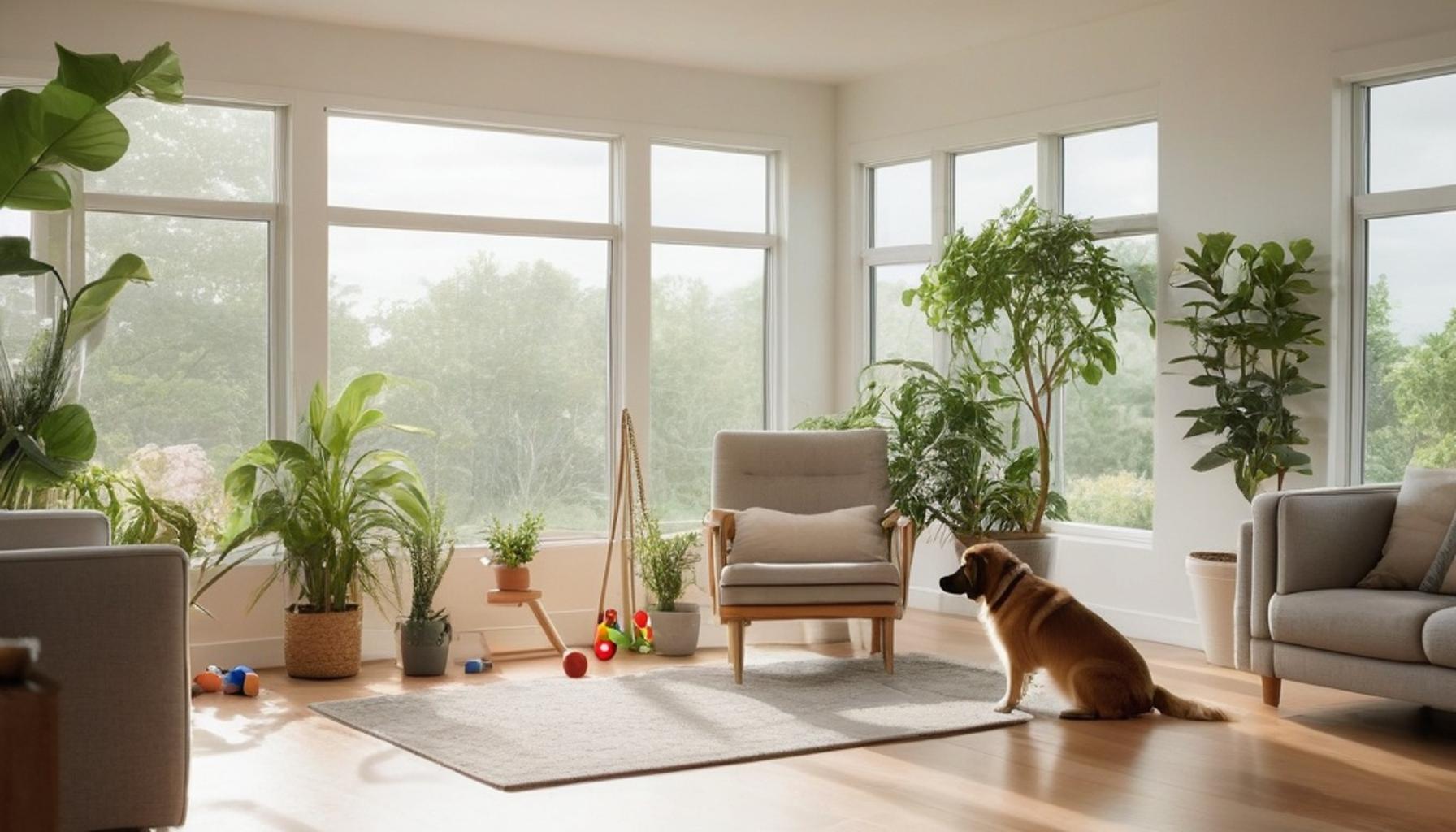
Confined living conditions, common in urban Nigerian apartments, often intensify stress-related behaviors. Cats kept exclusively indoors without vertical space, like shelves or scratching posts, may display increased aggression or withdrawal. Dogs restricted to small compounds without regular walks frequently develop anxiety that manifests as excessive barking or destructive digging.
Interestingly, research into companion animal welfare suggests that environmental enrichment can reduce cortisol levels, the hormone associated with stress, by measurable amounts within just a few weeks of consistent implementation. This physiological shift often translates into fewer aggressive incidents and improved appetite.
Nigerian pet owners managing multiple animals should also consider spatial separation during feeding times. Overcrowded feeding areas create competition, which raises stress hormones and sometimes triggers fights, even among previously peaceful companions.
Combining Both Elements for Lasting Results
The most successful approach to pet care in Nigeria merges rigorous hygiene with intentional enrichment. Clean, disinfected spaces provide the physical foundation, while varied stimulation addresses psychological needs that sanitation alone cannot fulfill.
Consider a scenario where a dog’s crate is cleaned daily but nothing else changes for months. The animal remains physically healthy yet mentally stagnant. Introducing rotating toys, occasional new walking routes, or supervised interactions with other animals fills this gap, creating a genuinely healthy pet living environment rather than merely a hygienic one.
Pet owners who track behavioral changes after implementing enrichment often notice improvements within two to three weeks, a timeframe consistent with broader observations from animal welfare organizations across similar tropical climates.
Building a Sustainable Routine for Long-Term Pet Wellbeing
The evidence gathered throughout this discussion points to a single, unavoidable conclusion: Hygiene and Environmental Enrichment cannot function as separate priorities. They operate as two halves of the same responsibility, and neglecting either one leaves gaps that eventually surface as illness, behavioral problems, or both.
Nigerian households navigating tropical humidity, dusty compounds, and space constraints face particular challenges. Yet the strategies outlined, from disinfection schedules to homemade puzzle feeders, demonstrate that quality pet care rarely depends on expensive imports or elaborate setups.
Simple, consistent actions produce measurable results. A weekly toy rotation, a properly disinfected feeding area, or ten minutes of supervised outdoor exploration can shift an anxious, understimulated animal toward calmer, healthier behavior within weeks.
What Nigerian Pet Owners Should Prioritize Going Forward
Anyone serious about improving pet care in Nigeria should treat cleanliness and stimulation as ongoing commitments rather than occasional tasks. Consider these priorities:
- Establish a fixed disinfection schedule adapted to Nigeria’s humid climate
- Introduce at least one new enrichment activity weekly to prevent habituation
- Observe behavioral changes closely, since increased aggression or withdrawal often signals unmet needs
- Separate feeding stations in multi-pet households to reduce competition-driven stress
- Seek guidance from local veterinarians familiar with regional disease risks and enrichment techniques
These practical pet hygiene tips work best when paired with genuine curiosity about individual animal needs, since a cat’s requirements differ significantly from a dog’s or a bird’s.
Ultimately, creating a healthy pet living environment requires ongoing attention rather than a one-time overhaul. Owners who commit to both dimensions, sanitation and stimulation, tend to report fewer veterinary visits and noticeably more contented animals. As awareness spreads across Lagos, Abuja, Ibadan, and beyond, this dual approach may well become the new standard for responsible pet ownership throughout Nigeria.
Frequently Asked Questions
How often should I clean my pet’s living space in Nigeria’s hot and humid climate?
Due to Nigeria’s heat and humidity, bedding, litter boxes, and food bowls should be cleaned daily to prevent bacteria and mold growth. Deep cleaning of kennels, cages, or sleeping areas should happen at least once a week. During the rainy season, increase frequency since dampness speeds up bacterial buildup.
What affordable enrichment toys can I make at home for my dog or cat?
You can repurpose empty plastic bottles, cardboard boxes, and old socks stuffed with fabric to create puzzle feeders and tug toys. Hiding treats inside a rolled-up newspaper or a used yogurt container also stimulates your pet’s problem-solving skills. These DIY options are cost-effective and use materials commonly found in Nigerian households.
How does poor hygiene affect my pet’s health in Nigeria?
Poor hygiene increases the risk of skin infections, fleas, ticks, and parasites, which thrive in Nigeria’s warm climate. Dirty living areas can also lead to respiratory issues and diarrhea from bacterial or fungal exposure. Regular cleaning reduces vet visits and keeps your pet’s coat, skin, and digestion healthy.
What is environmental enrichment and why is it important for pets kept indoors?
Environmental enrichment involves adding activities, toys, and sensory experiences that mentally and physically stimulate your pet. Indoor pets in Nigerian apartments or compounds often lack space to explore, leading to boredom, anxiety, or destructive behavior. Simple additions like scratching posts, climbing shelves, or scent games can significantly improve their wellbeing.
How can I keep my pet’s outdoor kennel hygienic during the rainy season?
Elevate the kennel floor to prevent water from pooling underneath and use waterproof bedding that dries quickly. Disinfect the kennel weekly with a pet-safe cleaner to control mold and mosquito breeding common during Nigeria’s rainy months. Ensure proper drainage around the kennel area to avoid standing water that attracts pests.
What household items commonly found in Nigeria are unsafe to use when cleaning pet spaces?
Avoid using bleach, undiluted disinfectants, or strong-smelling detergents like Izal without proper ventilation, as these can irritate your pet’s respiratory system and skin. Insecticides sprayed near pet areas to control mosquitoes can also be toxic if ingested or absorbed through the skin. Instead, opt for pet-safe cleaning solutions or a mild vinegar-water mix for regular cleaning.

Linda Carter
Linda Carter is a writer and pet care expert specializing in pet health, grooming, and wellness. With extensive experience helping pet owners create safe, loving, and enriching environments for their animals, Linda shares her knowledge on our platform. Her goal is to empower readers with practical advice and strategies to ensure their pets thrive and lead joyful, healthy lives.