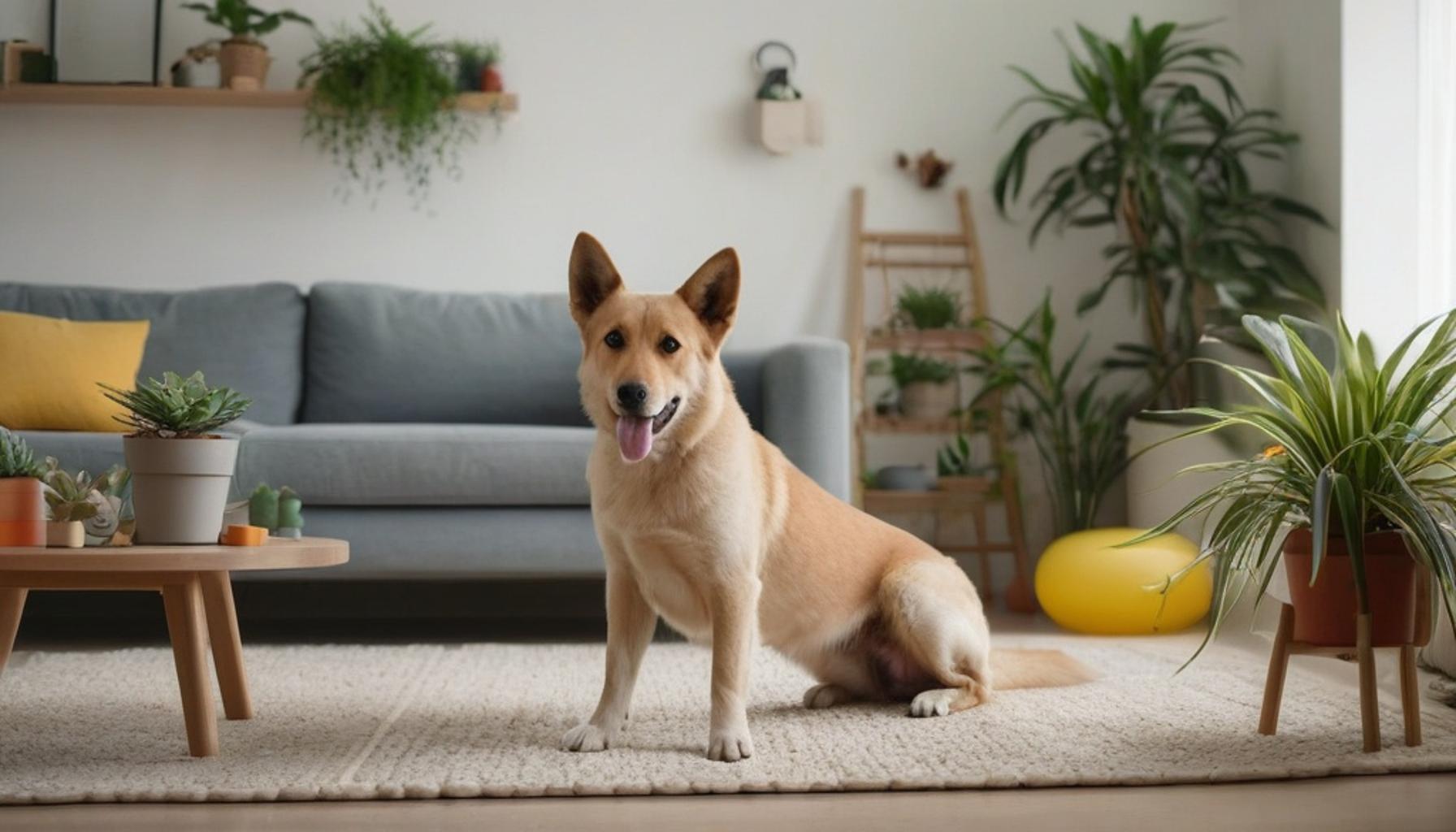
The Importance of Environmental Enrichment in the Behavioral Management of Dogs and Cats
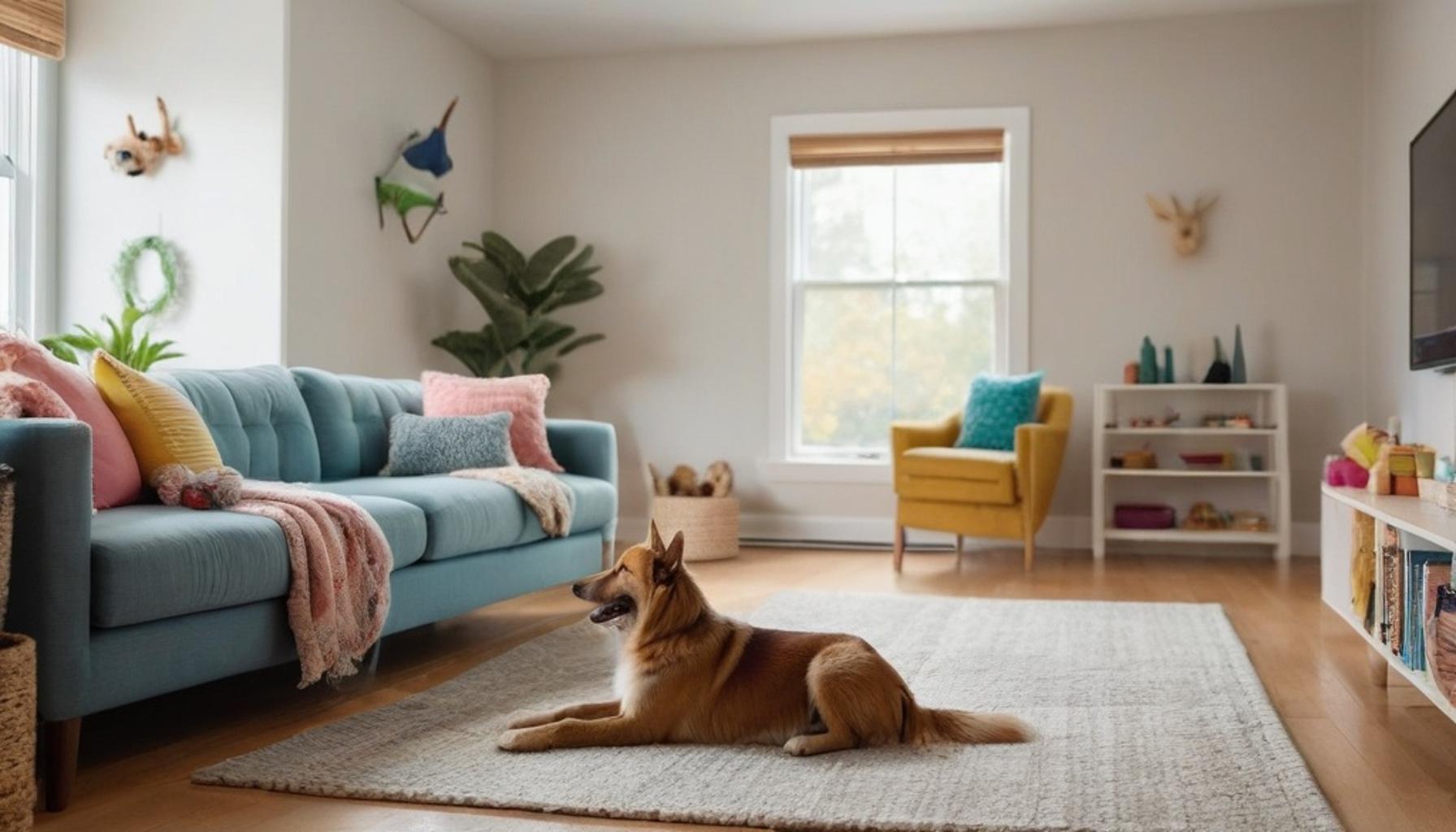
Why Environmental Enrichment for Dogs and Cats Matters
Across Lagos, Abuja, and Port Harcourt, more Nigerian households are welcoming dogs and cats as companions. Yet many pet owners still overlook a critical aspect of their wellbeing: environmental enrichment. As urban living spaces shrink and work schedules grow busier, pets are increasingly left to their own devices, often within compounds or apartments that offer little beyond the basics.
Beyond food, water, and shelter, pets need mental and physical stimulation to thrive. Without it, boredom often escalates into destructive chewing, excessive barking, or unexplained aggression. In many Nigerian homes, a chewed-up slipper or a scratched-up sofa is dismissed as simple mischief, when in reality, it may be a cry for engagement that has gone unheard for weeks or even months.
Understanding the Behavioral Connection
Veterinary behaviorists increasingly link poor environmental stimulation to common household problems. A dog left alone in a small compound for hours, or a cat confined indoors with nothing to do, can develop serious behavioral issues. This is particularly relevant in cities like Lagos, where compound sizes are shrinking due to rising real estate costs, leaving pets with less room to roam and explore naturally.
Some warning signs pet owners should watch for include:
- Excessive scratching or digging in unusual places, sometimes targeting walls, doors, or furniture
- Repetitive pacing or tail-chasing, which can appear almost obsessive in nature
- Sudden aggression towards family members or other animals, even without clear provocation
- Loss of appetite or overeating due to stress, mirroring patterns seen in humans under psychological pressure
These behaviors are not signs of a “stubborn” or “bad” pet. They are often distress signals calling for better dog behavior management strategies. Ignoring these signals can lead to escalating problems, straining the bond between pets and their owners, and in some cases, resulting in pets being abandoned or rehomed unnecessarily.
What This Article Will Explore
This article examines practical, affordable ways Nigerian pet owners can improve their animals’ daily lives. We will look at cat environmental stimulation activities, simple DIY enrichment tools crafted from everyday household items, and evidence-based pet behavior improvement techniques that have been tested in various climates, including Nigeria’s tropical conditions.
Whether you own a playful puppy or an independent feline, understanding how to enrich dog and cat environments can transform their behavior—and your relationship with them. From locally sourced puzzle feeders to creative use of cardboard boxes and recycled materials, the solutions discussed here prove that meaningful enrichment does not require expensive imports or elaborate setups.
LEARN MORE: Behavioral Management Strategies to Promote Hygiene and Well-Being of Dogs and Cats in Indoor Environments
The Science Behind Environmental Enrichment for Dogs and Cats
To understand why environmental enrichment for dogs and cats has become such a talking point among veterinarians, it helps to look at where our companion animals come from. Dogs descend from working, roaming ancestors that spent their days tracking scent trails, negotiating pack hierarchies, and solving the daily puzzle of survival. Cats, even the most pampered indoor tabby lounging on a sofa in Ikoyi, retain the instincts of a solitary hunter whose ancestors stalked rodents through grasslands and desert scrub. Both species evolved to spend hours each day searching, sniffing, stalking, and problem-solving. A modern Nigerian home, however comfortable, rarely offers any of that.
Research from animal behavior institutes abroad has consistently shown that pets kept in barren, understimulating environments display measurable increases in cortisol, the stress hormone. This is not simply an inconvenience; it is a physiological response with real consequences. Chronically stressed animals age faster, develop weaker immune responses, and are far more prone to the destructive habits many owners mistake for disobedience. A dog that chews through furniture or a cat that scratches at doors may not be badly behaved at all; it may simply be an animal whose brain has nothing else to occupy it.
Studies tracking captive animals in zoos first revealed this pattern decades ago, and the findings have since been applied directly to domestic pets. Enclosures without stimulation produced pacing, over-grooming, and repetitive behaviors known as stereotypies. Anyone who has watched a dog obsessively lick one spot on its leg, or a cat pull out clumps of its own fur, has witnessed a milder version of the same phenomenon.
Why Nigerian Pet Owners Should Pay Closer Attention
Nigeria’s pet-owning culture has traditionally centered on security dogs kept outdoors and cats left to roam compounds freely. While this arrangement once offered animals a degree of natural stimulation, rapid urbanization is changing that reality. Gated estates, smaller plots, and high-rise apartments in cities like Lagos, Abuja, and Port Harcourt mean many pets now spend most of their day confined to a single room, a small balcony, or a modest yard.
This shift makes dog behavior management strategies that include enrichment far more relevant than they were a decade ago. The benefits of environmental enrichment extend beyond behavior alone, touching physical health, emotional stability, and even the strength of the human-animal bond.
Some documented benefits include:
- Reduced anxiety and fear-based reactions, particularly in rescue dogs and cats with uncertain histories, many of whom arrive at Nigerian shelters already carrying the psychological weight of neglect
- Lower incidence of obesity, since enrichment often encourages movement and natural foraging behavior rather than simply eating from a static bowl
- Improved sleep quality, as mentally tired animals settle more easily than physically restless ones, which matters greatly in households where pets sleep indoors near family members
- Stronger trust between pet and owner, built through shared play and positive interaction rather than commands alone
Interestingly, enrichment does not require a large budget or imported products. A cat chasing a crumpled piece of paper across a tiled Lagos parlour floor is engaging in the same predatory sequence it would use to stalk a lizard in the garden. A dog sniffing through a scattering of kibble hidden in the grass of a Port Harcourt backyard is performing the same foraging behavior its ancestors relied on for survival. The context changes, but the underlying psychological need remains identical, and meeting that need is the first step toward lasting pet behavior improvement techniques that any household can apply, regardless of income or space available.

RECOMMENDED: Environmental Enrichment Strategies to Promote Positive Behaviors in Dogs and Cats
Practical Approaches to Enriching Everyday Life for Pets
Once a pet owner understands the science, the next question becomes practical: what does environmental enrichment for dogs and cats actually look like inside a Nigerian home? The answer lies less in expensive gadgetry and more in creativity, consistency, and an understanding of species-specific instincts. Many households already own the raw materials needed for enrichment; what is often missing is the awareness that boredom itself can be as damaging to an animal’s wellbeing as poor nutrition or lack of veterinary care.
Veterinary behaviorists typically group enrichment into categories, each targeting a different sense or instinct. Sensory enrichment, for instance, engages smell, sound, and sight, three senses that dogs and cats rely on far more heavily than humans do. A dog’s nose alone contains up to 300 million scent receptors, compared to roughly six million in humans, which explains why a simple sniffing walk around a Lekki estate can be more mentally exhausting for a dog than an hour of running. This is precisely why owners who focus purely on physical exercise, without engaging the nose or mind, often find their dogs remain restless despite daily walks.
Feeding as a Form of Mental Exercise
One of the most underused pet behavior improvement techniques in Nigerian households involves changing how animals are fed. Static food bowls require no effort and offer no stimulation. Puzzle feeders, slow-feed bowls, or even homemade solutions like hiding kibble inside a rolled-up towel force an animal to work for its meal, mimicking natural foraging patterns. In markets across Lagos and Abuja, pet supply vendors have reported a slow but steady rise in demand for these feeding tools, suggesting that awareness is spreading even without widespread formal education on the subject.
This single change has been linked in multiple studies to reduced begging behavior, slower eating pace, and noticeably calmer demeanor within weeks of consistent use. For households managing multiple pets, staggered feeding puzzles can also reduce food-related tension, since animals become occupied with problem-solving rather than competing directly over a single bowl.
Cat Environmental Stimulation Activities Worth Trying
Cats present a unique challenge because their enrichment needs are often misunderstood as simple playfulness rather than psychological necessity. Effective cat environmental stimulation activities include:
- Vertical space such as shelves or cat trees, allowing cats to observe their territory from above, a behavior rooted in survival instinct
- Rotating toys weekly so novelty is maintained, since cats habituate quickly to unchanging objects
- Window perches positioned to overlook compound activity, birds, or street movement common in many Nigerian neighborhoods
- Scratching posts placed near resting areas to satisfy territorial marking instincts without damaging furniture
Owners who introduce even two or three of these elements often notice a decline in destructive scratching or excessive vocalization, both common complaints among cat owners unfamiliar with feline enrichment needs.
Structured Play as a Behavior Management Tool
For dogs, structured play sessions built around scent work, tug games, or basic obedience challenges double as both exercise and mental stimulation. Trainers increasingly recommend this approach as one of the more reliable dog behavior management strategies available to households without access to large outdoor spaces, a common constraint in densely populated Nigerian cities.
Even fifteen minutes of scent-based games, such as hiding treats around a room, can produce measurable improvements in focus and reduced hyperactivity later in the day. Trainers note that this kind of mental fatigue often achieves what hours of physical exertion alone cannot.
Understanding how to enrich dog and cat environments ultimately comes down to observation. Owners who pay attention to what excites, calms, or frustrates their pet are better positioned to design routines that address specific behavioral gaps rather than applying generic solutions borrowed from unrelated contexts.
Bringing It All Together: Enrichment as a Daily Commitment
Across every example explored in this article, one truth stands out: environmental enrichment for dogs and cats is not a luxury reserved for pet owners with extra time or money. It is a fundamental component of responsible pet ownership, as vital as vaccinations or a balanced diet. Whether it is a puzzle feeder in a Lagos apartment or a scratching post near a window in an Abuja duplex, small consistent changes accumulate into significant behavioral improvements over time.
The benefits of environmental enrichment extend far beyond preventing destructive habits. They touch on an animal’s emotional stability, physical health, and ability to cope with the unpredictable rhythms of Nigerian household life, from generator noise to frequent visitors. Pets that receive regular mental stimulation tend to display fewer signs of anxiety, aggression, or excessive vocalization, making shared living spaces calmer for everyone involved, humans included.
What this article has hopefully made clear is that dog behavior management strategies and cat environmental stimulation activities do not require a complete lifestyle overhaul. They require attentiveness. Owners who take note of their pet’s natural instincts, whether foraging, climbing, scratching, or sniffing, are far better equipped to prevent problem behaviors before they even begin.
As awareness grows across Nigerian cities, the conversation around pet behavior improvement techniques is likely to shift from reactive problem-solving to proactive care. Learning how to enrich dog and cat environments is ultimately an investment in a longer, healthier, and more harmonious relationship between pets and the households that welcome them.
Frequently Asked Questions
What is environmental enrichment for dogs and cats and why does it matter in Nigerian homes?
Environmental enrichment means providing toys, activities, and safe spaces that stimulate a pet’s senses and mind, especially important since many Nigerian homes keep dogs and cats mostly outdoors or in compounds with little mental stimulation. Without enrichment, pets often develop destructive habits like excessive barking, digging, or scratching furniture. Simple additions like puzzle feeders, scratching posts, or a supervised play area can significantly reduce these behaviors and improve their overall wellbeing.
Can I use locally available materials in Nigeria to create enrichment items for my dog or cat?
Yes, you can repurpose items like empty plastic bottles, cardboard boxes, old tyres, or woven baskets to create DIY toys and climbing structures for your pets. For example, hiding treats inside a perforated plastic bottle encourages dogs to problem-solve, while a cardboard box with holes can become an engaging hideout for cats. These affordable options make enrichment accessible even without expensive imported pet products.
How does environmental enrichment help reduce aggressive or anxious behavior in dogs kept for security in Nigeria?
Many Nigerian dog owners keep breeds like Alsatians or Rottweilers primarily for guarding property, which can lead to boredom, frustration, and heightened aggression if the dog lacks mental stimulation. Introducing enrichment activities such as scent games, chew toys, or short training sessions helps release pent-up energy and reduces stress-related aggression. A mentally stimulated guard dog is often calmer and more responsive to commands, making it safer for the household.
What are simple enrichment strategies for indoor cats in Nigerian apartments where outdoor access is limited?
For cats confined to apartments in cities like Lagos or Abuja, vertical spaces such as cat trees or window perches allow them to climb, observe, and feel secure despite limited square footage. Interactive toys, laser pointers, and rotating a few toys weekly can also prevent boredom and reduce unwanted scratching or excessive meowing. Setting aside just 15 to 20 minutes daily for active play helps satisfy their natural hunting instincts safely indoors.

Linda Carter
Linda Carter is a writer and pet care expert specializing in pet health, grooming, and wellness. With extensive experience helping pet owners create safe, loving, and enriching environments for their animals, Linda shares her knowledge on our platform. Her goal is to empower readers with practical advice and strategies to ensure their pets thrive and lead joyful, healthy lives.