The Relationship between Music and Emotion: How Musical Practice Can Deepen Emotional Connection and Personal Expression
Understanding the Depth of Music’s Emotional Reach
Music resonates deeply within the human experience, serving as both a mirror and a catalyst for our emotional landscapes. From the joy of a lively melody to the sorrow of a haunting ballad, music taps into our innermost feelings and can provoke varying emotions. This intricate relationship invites us to explore how our engagement with music can significantly enhance our personal expression and overall well-being.
Consider the diverse ways in which music influences our emotions:
- Memories: A song can instantly transport us to a specific moment in time, evoking vivid memories tied to experiences, people, or places. For instance, hearing “Sweet Caroline” might remind someone of a joyful summer spent with friends at a baseball game. These auditory cues create emotional resonance and nostalgia, creating a soundtrack to our lives.
- Therapeutic benefits: Numerous studies affirm the effectiveness of music therapy, which has been shown to reduce anxiety and improve mood for individuals facing mental health challenges. For example, hospitals in the United States are increasingly integrating music therapy into patient care, helping individuals facing surgeries or chronic conditions find comfort and solace through soothing melodies.
- Social connections: Shared musical experiences, such as attending concerts, participating in community choirs, or simply singing around a campfire, can strengthen relationships and foster a sense of belonging. Music brings people together across cultural divides, creating a universal language that transcends differences and builds strong communal ties.
Beyond mere enjoyment, musical practice offers a unique opportunity to deepen this emotional connection. Engaging with music—whether by playing an instrument, singing, or composing—enables individuals to express emotions that might otherwise remain unspoken. For example, a teenager learning to play the guitar to channel their feelings of heartache can find both solace and a sense of achievement in the creative process. This form of expression can lead to profound personal growth and understanding, allowing individuals to navigate complex feelings more effectively.
As we delve deeper into this subject, we will uncover the mechanisms behind music’s emotional impact—how rhythm, melody, and harmony affect our brain chemistry and emotional states. Understanding these elements can enhance our daily lives, as creating or engaging with music can serve as a powerful tool for emotional expression and healing. Options for exploration abound, from neuroscientific research on the brain’s response to music to personal anecdotes of transformation through musical engagement.
Join us on this journey as we explore how the art of music not only illuminates our emotional lives but also enhances our personal narratives, bridging the gap between individual experiences and collective human connection.
DISCOVER MORE: Click here to learn how artists are championing the environment</p
The Power of Musical Engagement in Emotional Expression
Musical practice serves as a vital avenue for individuals seeking to articulate their emotions in ways that words alone may fail to capture. When we engage with music—be it through playing an instrument, singing, or composing—we embark on a journey of self-discovery and emotional exploration. This process can illuminate hidden feelings, facilitate self-acceptance, and foster a deeper connection with ourselves and others.
Research in psychology has established a strong connection between music and emotional regulation. Engaging in musical activities can change how we perceive and react to our emotions. For instance, a study published in the journal *Psychological Science* found that individuals who regularly play musical instruments tend to have better emotional management skills. By channeling feelings through music, they are better equipped to cope with stress and face life’s challenges. When individuals strum a guitar to navigate their happiness or sorrow, they are not just practicing a skill; they are processing emotions.
The intricate relationship between music and emotion also reveals itself through the therapeutic aspects of musical practice. Learning to play an instrument, for example, requires focus and dedication, which can help divert attention from daily life stressors. This concentration allows musicians to immerse themselves in creativity, often leading to a state of flow—an experience characterized by deep engagement and enjoyment in the moment. This immersion can cultivate a sense of achievement and foster personal resilience, ultimately nurturing a stronger emotional foundation.
Furthermore, musical practice offers unique opportunities for emotional expression that can be categorized into several key components:
- Creativity: Creating melodies or composing songs provides individuals with an outlet to express complex emotions, allowing their musical narratives to weave personal stories into compelling soundscapes.
- Improvisation: Many musicians experience a sense of freedom while improvising, which can lead to spontaneous emotional expression and release. This practice creates a dialogue between the musician and their feelings, creating relatable experiences for both the performer and the listener.
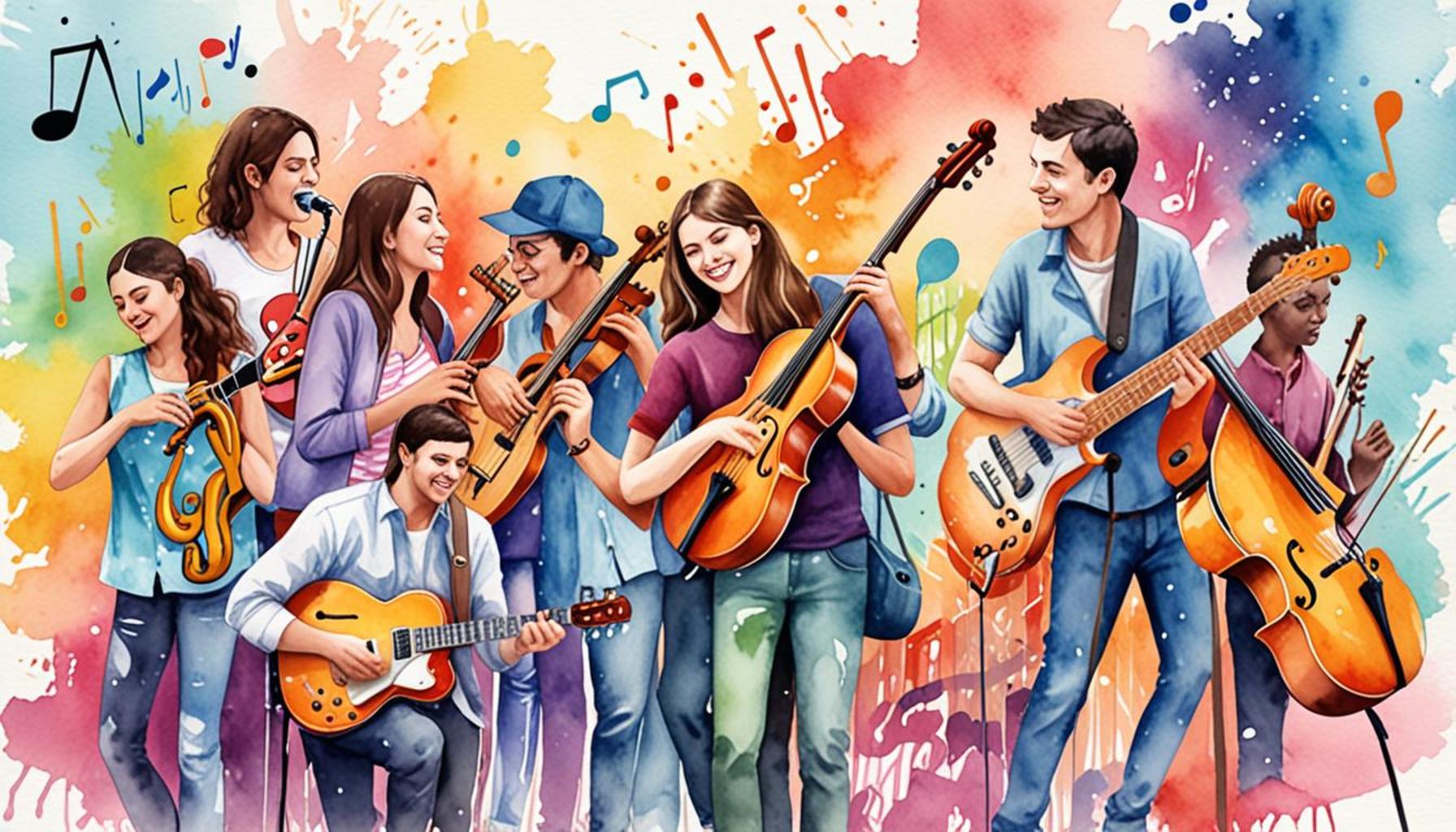
- Collaboration: Participating in ensembles or bands encourages teamwork and camaraderie, as musicians share their emotional journeys through the music they create together. These collaborative moments foster community and deepen bonds between individuals.
In addition to these emotional benefits, musical practice can also bridge the gap between personal experience and shared sentiment. As musicians develop their skills, they often find that their emotional expressions resonate with others, creating an opportunity for connection and empathy. Whether it’s through performing for an audience or sharing recordings with friends, music becomes a powerful medium for building relationships and fostering mutual understanding.
As we continue to explore the relationship between music and emotion, we will delve into the neuroscientific principles that highlight how music impacts our brain chemistry and shapes our emotional experiences. This understanding will not only affirm music’s role in nurturing emotional well-being but also empower individuals to harness musical practice for enhanced personal expression and connection.
| Musical Expression | Emotional Depth |
|---|---|
| Improved Self-Expression | Engaging in musical practice allows individuals to convey complex emotions, enhancing self-identity. |
| Enhanced Communication Skills | Music can act as a universal language, fostering deeper connections across cultural and emotional divides. |
The profound link between music and emotion is a well-documented phenomenon, with extensive studies revealing how musical practice can foster a sense of emotional understanding and expression. Through the rigorous discipline of playing an instrument or vocal training, individuals often find a new outlet for their feelings, which may otherwise remain unexpressed. This process not only aids in personal development but also cultivates emotional intelligence, as musicians learn to interpret and convey the emotional nuances embedded in their music.Moreover, the synergy created when musicians collaborate can deepen their emotional bonds. This collaborative practice often leads musicians to experience shared emotional states, which can enhance empathy and understanding among participants. Exploring various genres of music enables individuals to connect with a wide array of emotional experiences, further enriching their sensitivity to emotional expression in themselves and others. As musicians delve into songwriting, they may also find that composing lyrics becomes a cathartic process, providing them with a unique avenue to process and articulate their feelings.The exploration of different musical styles, from classical to contemporary, also reflects varying emotional landscapes, allowing for rich dialogue about personal experiences. Engaging in musical activities, whether by joining an ensemble or simply playing for oneself, can serve as a powerful tool for expressing emotions ranging from joy to sorrow. The relationship between music and emotion thus allows individuals to not only become more attuned to their emotional states but also helps them develop a deeper understanding of the human experience.
DISCOVER: Click here to transform your wardrobe
Neuroscience Behind Music and Emotion
To further unravel the intricate relationship between music and emotion, we must examine the neuroscientific principles that underscore how melodies impact our brain and emotional experiences. A growing body of research highlights how music interacts with various neurological processes, influencing mood regulation and emotional expression.
When individuals listen to music or engage in musical practice, the brain releases a cascade of neurotransmitters, including dopamine, which plays a significant role in the pleasure and reward systems. Studies reveal that the anticipation and experience of music can trigger dopamine release, providing feelings of joy and satisfaction. This reaction explains why a familiar song or an improvised jam session can evoke powerful emotional responses, often linking personal memories to musical notes.
Biometric Responses to Music
Beyond the release of chemicals, musical engagements stimulate physiological changes in our bodies. A study published in the journal *Frontiers in Psychology* illustrated that music can influence heart rate, blood pressure, and even respiration. Fast-paced music can lead to increased heart rates and adrenaline, evoking excitement, while slower melodies can induce relaxation and introspection. This intersection of physiology and sound challenges the notion of music as merely an auditory experience, positioning it as a deeply holistic practice that engages our entire being.
The Significance of Cultural Context
Additionally, the emotional resonance of music is often amplified by cultural context. For instance, genres such as blues, country, or folk often express themes of heartache, resilience, and storytelling, deeply rooted in the shared experiences of distinct communities. Research from the University of California, Berkeley indicates that individuals assimilate cultural narratives through music, reinforcing emotional connections within societal frameworks. This cultural interweaving invites musicians to reflect their socio-cultural realities, further enriching their emotional expression.
Moreover, the power of music therapy showcases compelling applications of these neurological insights. Music therapy leverages the emotional and cognitive benefits of music to assist individuals dealing with trauma, anxiety, or depression. In clinical settings, music therapy sessions enable patients to express repressed emotions and combat feelings of isolation. By engaging in musical activities under a trained therapist’s guidance, individuals can tap into their emotional reservoirs, fostering healing and connection.
Exploring Diverse Musical Practices
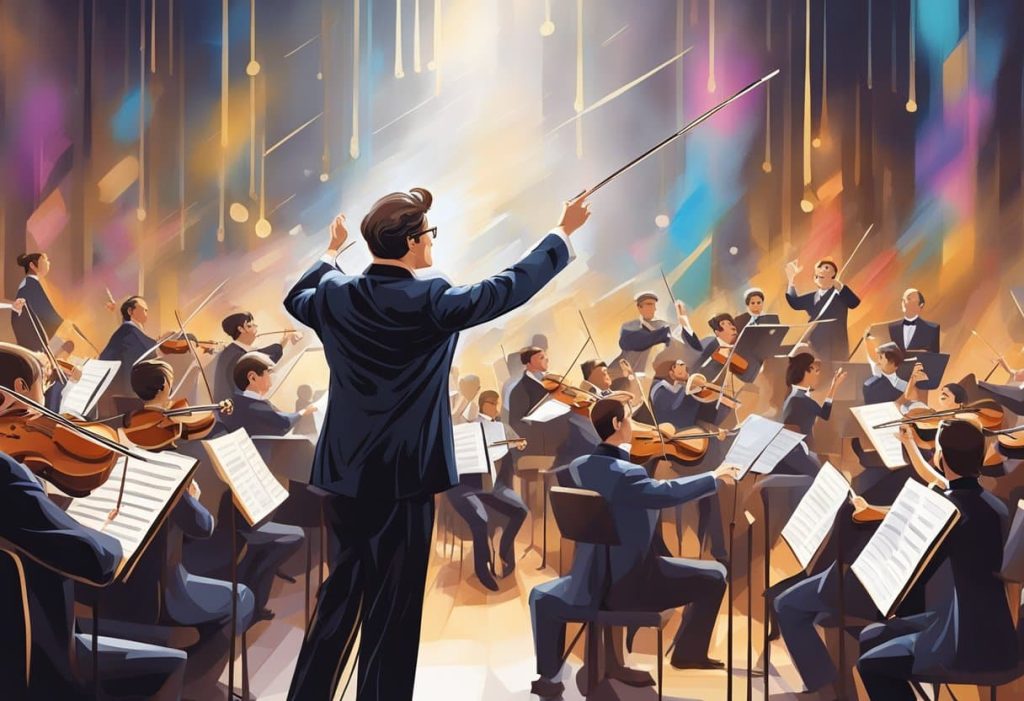
The breadth of musical practices also presents diverse ways of connecting emotionally. Genres like jazz and classical often require musicians to remain attuned to spontaneous moments of expression through improvisation, which can spark unexpected emotional breakthroughs. A symphony orchestra engaged in a passionate performance or a small jazz ensemble in a cozy bar can create a shared emotional experience that transcends words, binding both musicians and audiences alike in profound understanding.
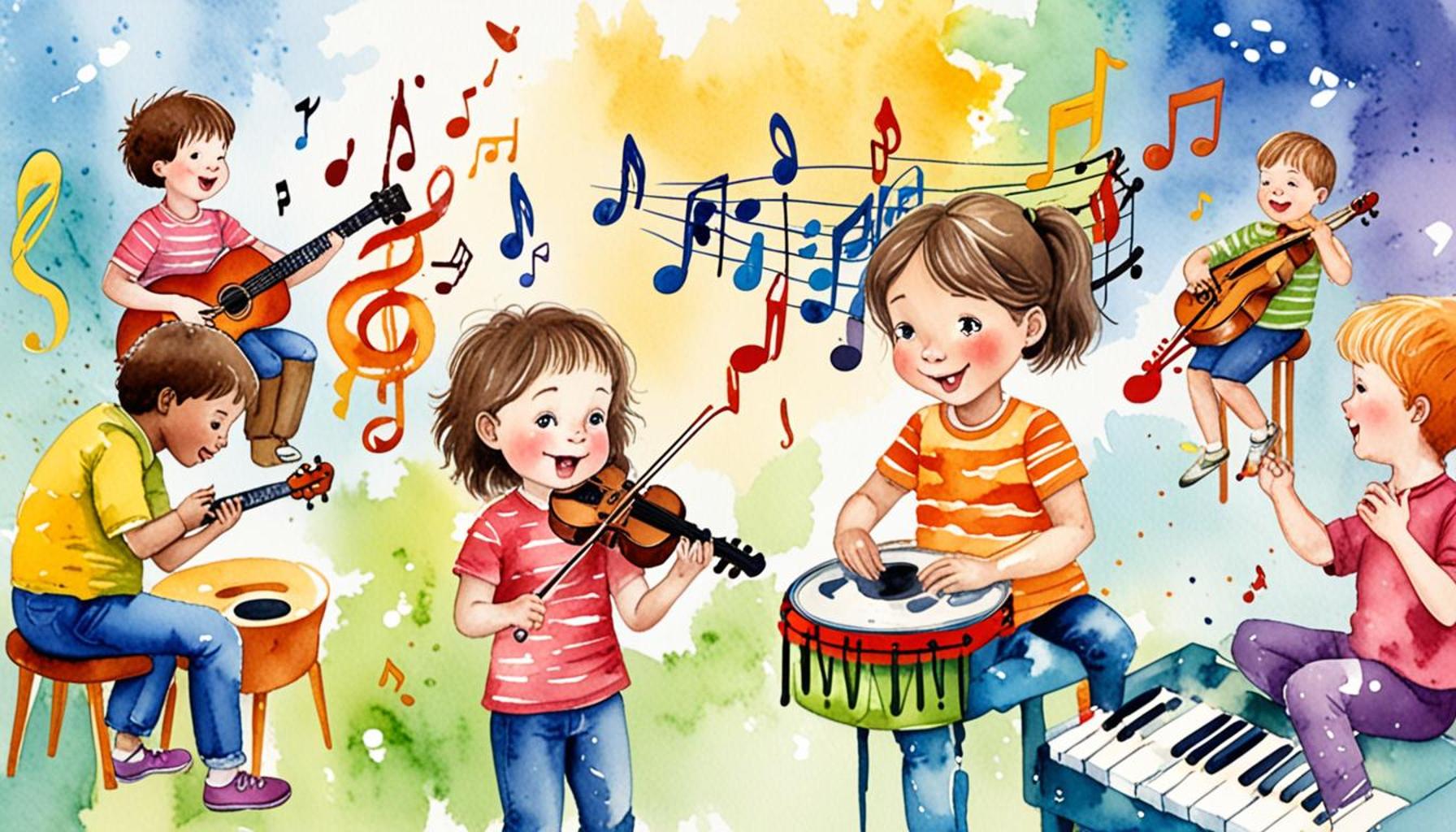
Furthermore, young musicians involved in community-based musical programs cultivate both personal growth and emotional intelligence. Research conducted by the National Endowment for the Arts indicates that youth participating in musical initiatives display heightened empathy and social skills as they collaborate and perform with peers from diverse backgrounds. These experiences not only hone musical ability but also reinforce the vital connections between musical practice and emotional development.
As we delve deeper into the multifaceted relationship between music and emotion, it becomes evident that the physiological, cultural, and therapeutic aspects of musical engagement offer a rich tapestry of understanding. This exploration not only illuminates the importance of music in personal expression but also reinforces its role as a powerful catalyst for deeper emotional connections. The emotional journey through music is truly an ever-evolving landscape, inviting us to discover, share, and celebrate our most profound feelings.
DIVE DEEPER: Click here to discover innovative craft techniques
Conclusion
In conclusion, the relationship between music and emotion is a profound and complex interplay that significantly shapes our personal experiences and social connections. Through the exploration of neuroscientific insights, we understand how music activates our brain’s reward centers, facilitating emotional responses that can evoke nostalgia, joy, or even catharsis. The physiological changes we experience during musical engagement reveal that music transcends auditory pleasure, resonating deeply within our physical and emotional realms.
Culturally, music serves as a powerful narrative tool, connecting us to shared histories and communal experiences. Genres like country and blues reflect collective emotions, allowing both artists and listeners to engage in an emotional dialogue. Programs that incorporate music therapy demonstrate how music can be utilized for healing and self-expression, helping those dealing with trauma and isolation to articulate their feelings in revolutionary ways.
Ultimately, musical practice not only enhances technical skills among artists but also fosters emotional intelligence and empathy, particularly in community settings where collaboration flourishes. This dynamic exchange is essential for personal growth and collective understanding, making music an indispensable part of human experience.
As we continue to explore the intricate tapestry of music and emotion, we invite further investigation into how various musical practices can enhance personal expression and deepen our emotional connections. Whether you are a seasoned musician or a casual listener, engaging with music in its myriad forms can enrich your emotional landscape and foster shared experiences that resonate far beyond mere sound.