
Minimalism and Sustainability: How to Reduce Consumption and Maximize Space
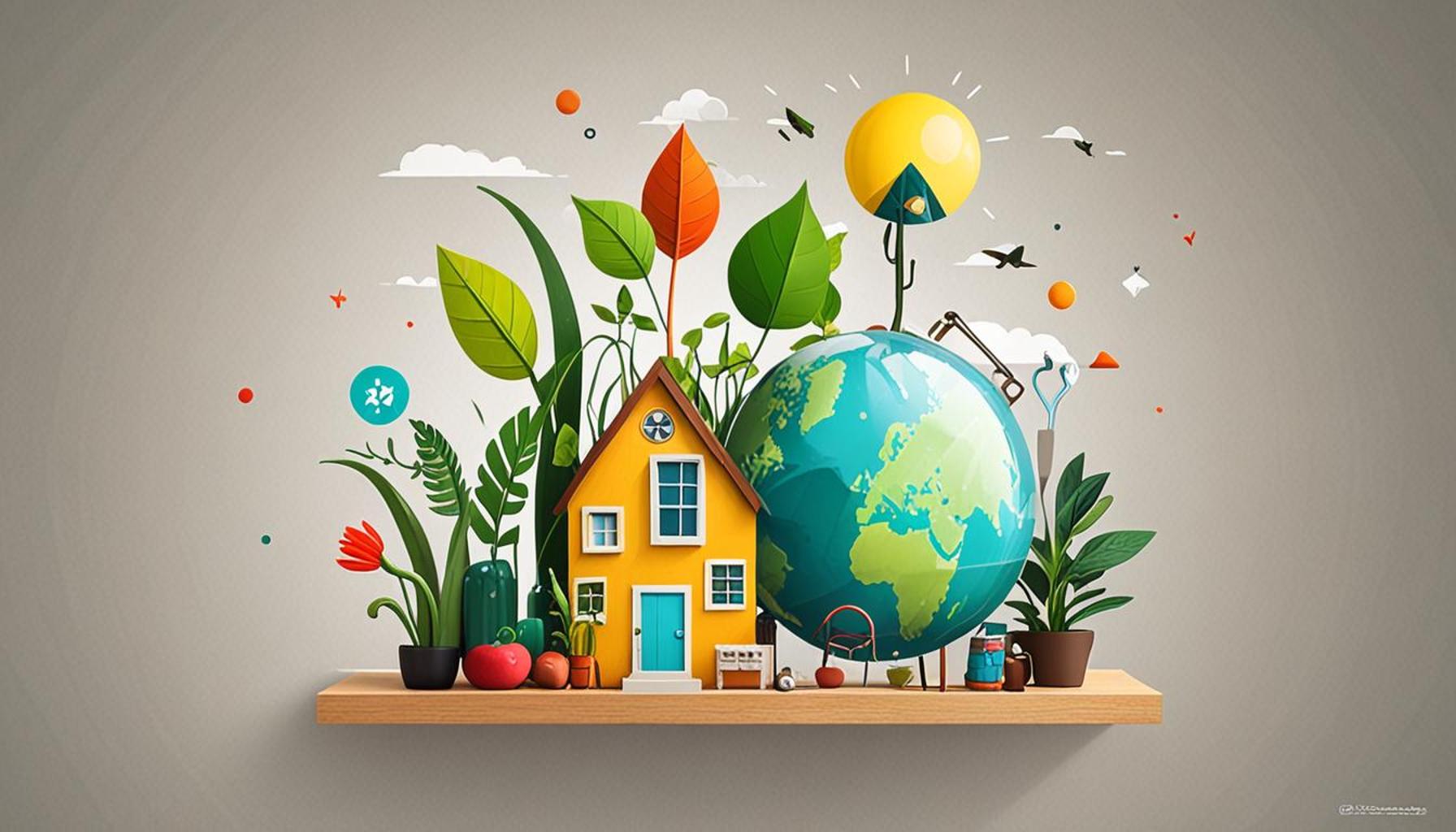
Embracing a New Lifestyle
In an age where consumerism reigns supreme, minimalism offers a refreshing perspective that is gaining traction across diverse communities, particularly in the United States. As we navigate a world saturated with material possessions, minimalism encourages a deliberate focus on what truly matters in our lives, which is essential for personal fulfillment. By reducing the clutter of unnecessary items, we not only enhance our mental clarity but also make significant strides in decreasing our environmental impact. This transformative shift can lead to a dual benefit: improved personal well-being coupled with a commitment to a sustainable future.
- Clutter Reduction: Studies indicate that less physical clutter in our environments leads to lower stress levels and improved focus. Living with fewer possessions can simplify decision-making, allowing individuals to enjoy their surroundings more fully.
- Eco-Friendly Choices: Embracing minimalism often means prioritizing quality over quantity. When we select fewer items that are durable and well-crafted, we contribute to reduced waste, a critical concern in today’s disposable culture.
- Maximizing Space: A minimalist approach encourages creative uses of living spaces. Whether it’s through multifunctional furniture or innovative storage solutions, individuals can create a more open and welcoming environment even in smaller homes.
According to a recent survey, over 75% of Americans feel overwhelmed by their possessions, indicating a collective desire to simplify life. This trend reveals a yearning for something deeper than mere accumulation— a holistic lifestyle that prioritizes well-being over consumption. By adopting the principles of minimalism, individuals can unlock vast potential for achieving both personal peace and environmental preservation, creating a ripple effect that impacts not just themselves, but also their communities.
The Synergy of Minimalism and Sustainability
Minimalism and sustainability intersect beautifully, each advocating for a mindful way of living. By incorporating minimalist values into our daily routines, we can foster deeper connections with both our surroundings and each other. This mindful approach can shape our behaviors in numerous ways:
- Responsible Consumption: Before making a purchase, consider the product’s lifecycle and its environmental impact. This shift in mindset promotes careful choices, ultimately leading to less regret and waste.
- Long-Lasting Solutions: Investing in timeless, versatile items can reduce the need for frequent replacements. For example, choosing a high-quality, classic piece of clothing rather than fast fashion can save money and resources in the long run.
- Community Bonds: By embracing sharing economies, such as local tool libraries or co-housing arrangements, individuals can deepen their social networks while minimizing individual consumption.
As you explore this journey into minimalism and sustainability, envision the profound power of living with intention. The next step may involve evaluating your consumption patterns, decluttering your space, or seeking out local initiatives that promote sustainable living. In a world that often prioritizes accumulation over authenticity, embracing minimalism can open doors to a more meaningful and connected existence. Let’s dive deeper into how these concepts can transform our lives for the better.
DISCOVER MORE: Click here to dive deeper

Understanding Minimalism and Its Impact
At its core, minimalism is about simplicity. It champions the ideology of living with less to gain more—more clarity, more space, and ultimately, more freedom. For many, the journey into minimalism begins with the realization that possessions can be burdensome rather than liberating. A challenging question arises: how much of what we own truly adds value to our lives? Identifying the answer to this question can be both enlightening and liberating. By focusing on essential items and eliminating the excess, individuals can experience a newfound sense of purpose and tranquillity.
A critical aspect intertwining minimalism with sustainability is the shift from a “throwaway culture” to one that embraces longevity and quality. According to the Environmental Protection Agency (EPA), in 2018 alone, Americans generated about 292.4 million tons of trash, with a staggering portion attributed to disposable products. By reducing our consumption and consciously choosing sustainable alternatives, individuals can significantly contribute to lowering these numbers. Here are some practical methods to embark on this journey:
- Start Small: Begin your minimalist journey by decluttering one area of your home at a time. Rather than feeling overwhelmed by the entire project, focus on a single closet, drawer, or room to see immediate results.
- Make Use of Digital Solutions: Consider decluttering your digital space, too. Eliminate unused apps, organize files, and reduce screen time to create a simpler, more efficient virtual environment.
- Practice Mindful Purchasing: Adopt a rule of “one in, one out.” For every new item you bring into your possession, consider letting go of another. This simple practice can help maintain balance and reduce overall consumption.
Embracing minimalism doesn’t just benefit the individual; it also lends itself to environmental stewardship. Choosing to live simply often leads individuals to develop a deeper appreciation for their surroundings and the resources they consume. In fact, studies have shown that people who adopt minimalistic lifestyles tend to invest more in experiences rather than tangible goods. By prioritizing travel, education, and community connection, they foster a more sustainable outlook on life. This shift not only enhances personal fulfillment but also cultivates a communal responsibility towards environmental issues.
As you take your first steps toward minimalism and sustainability, consider how your lifestyle can contribute positively to both your personal space and the planet. By committing to reduce consumption and seeking to maximize the space you have, you’ll start to notice the ripple effect of these changes. They lead to increased well-being, both personally and collectively, showcasing the profound impact such lifestyle shifts can have on our world.
| Category | Key Features |
|---|---|
| Space Optimization | Efficient furniture choices, such as multipurpose items, can help maximize living areas while reducing the need for excess possessions. |
| Reduced Waste | Sustainability is fundamentally about minimizing waste. Choosing materials that are durable and recyclable helps reduce your environmental footprint. |
| Mindful Consumption | Intentional purchasing leads to a significant decrease in impulse buys, thereby fostering a more sustainable lifestyle. |
| Simplified Life | Minimalism encourages a focus on experiences rather than possessions, which can lead to greater fulfillment and well-being. |
Living in a world increasingly focused on over-consumption creates significant challenges, yet it opens up a path for minimalism and sustainability as viable solutions. Cultivating a mindset that embraces simplicity can inherently lead to less clutter, both physically and mentally. As individuals discover how to effectively reduce consumption, they find that it also aids in maximizing space. This trend is not merely about aesthetics but focuses significantly on ecological impact. Incorporating energy-efficient appliances into everyday life and investing in quality goods over quantity can lead to long-term savings and less frequent replacements. The integration of nature into living spaces—through elements like indoor plants—further contributes to an atmosphere of tranquility and renews the outdoors within your personal sanctuary. Whether it’s learning how to craft a minimalist wardrobe or the benefits of decluttering techniques, the community surrounding these practices is rich with shared knowledge and innovative ideas that encourage everyone to rethink consumption and space utilization. Discovering these principles pushes us towards a more thoughtful way of living, cultivating an environment that not only prioritizes what we need but also respects the world around us and enhances our quality of life.
DISCOVER MORE: Click here to dive deeper
Strategies for Implementing Minimalism in Daily Life
Embracing minimalism to achieve sustainability involves integrating specific strategies into our daily routines. These practices not only streamline our possessions but also encourage mindful consumption, which is crucial for preserving the planet’s resources. Here are some actionable strategies that can help anyone transition to a more minimalist and sustainable lifestyle:
- Invest in Multi-Functional Furniture: Choosing versatile furniture can immensely help maximize space while reducing the need for multiple items. For instance, a sofa bed can serve as both seating and a sleeping area, alleviating the requirement for a dedicated guest room. This not only saves square footage but also reduces waste by limiting the number of pieces unnecessarily acquired.
- Explore Second-Hand Options: The second-hand market is thriving in the U.S., and shopping at thrift stores or online platforms like OfferUp or Poshmark can yield unique finds. Not only does buying pre-owned items conserve resources, but it also minimizes the demand for new production, which typically involves significant energy consumption and waste generation.
- Maintain a Capsule Wardrobe: Curating a capsule wardrobe— a small collection of interchangeable clothes— encourages individuals to focus on quality over quantity. By selecting pieces that can be worn multiple ways, individuals not only maximize their wardrobe options but also reduce the environmental impact associated with fast fashion. According to a report from the United Nations, the fashion industry contributes around 10% of global carbon emissions, emphasizing the importance of mindful garment choices.
Minimalism also promotes a strategy known as zero-waste living, which emphasizes the reduction of waste at its source. This philosophy encourages individuals to refuse unnecessary items, reduce overconsumption, and recycle effectively. Implementing zero-waste practices can be as simple as carrying a reusable water bottle, adopting cloth shopping bags, and utilizing glass containers for food storage. This shift in behavior not only lessens our ecological footprint but also fosters a lifestyle that values sustainability and resourcefulness.
Mindful consumption extends beyond just physical items; it also encompasses the impact of our choices on ethical practices. Supporting businesses that prioritize sustainable practices, such as those that utilize eco-friendly materials and commit to fair labor standards, allows consumers to align their purchasing habits with their values. In 2020, a survey conducted by IBM found that nearly 70% of consumers in the United States are willing to pay a premium for sustainable brands, indicating a strong desire for responsible consumption.
Moreover, the integration of digital minimalism plays a notable role in achieving a sustainable lifestyle. By minimizing distractions in the digital realm, individuals can cultivate a more focused and productive life. This can be achieved by reducing time spent on social media platforms, unsubscribing from unnecessary newsletters, and organizing digital files. The result is a more intentional use of technology that complements a minimalist ethos.
As we consider these strategies, it’s essential to recognize that minimalism is not merely about living with fewer items; it is a holistic approach that encompasses a conscientious attitude towards what we consume and the impact of those choices on both our environment and our well-being. By adopting sustainable practices within a minimalist framework, individuals have the power to contribute significantly to a greener planet while simultaneously enhancing their quality of life.
DISCOVER MORE: Click here to enhance your productivity
Conclusion
In a world increasingly characterized by excess and waste, minimalism and sustainability emerge as powerful alternatives that empower individuals to rethink their relationship with consumption. By prioritizing mindful purchasing and making thoughtful decisions about what we bring into our lives, we can significantly reduce our ecological footprint. The strategies discussed—ranging from investing in multi-functional furniture to embracing a capsule wardrobe—demonstrate that simplicity can coexist harmoniously with style, functionality, and sustainability.
Furthermore, by advocating for zero-waste living and supporting socially responsible brands, we not only contribute to a healthier planet but also align our habits with our values. The rise of the second-hand market and willingness to invest in sustainable products among consumers signifies a cultural shift towards more responsible consumption practices. As the statistics show, nearly 70% of American consumers are willing to pay a premium for sustainability, reflecting the growing consciousness about the environmental impacts of our choices.
Ultimately, minimalism invites us to declutter both our physical spaces and our minds, allowing room for what truly matters. This transformative journey not only maximizes space but also elevates our quality of life, leading to greater mental clarity and emotional well-being. As we embrace this holistic approach, we become not just stewards of our possessions but advocates for a more sustainable future, inspiring others to join us in this vital movement.