Colors and Textures: The Impact of Design on Space Perception
The Impact of Color and Texture in Design
Design is an incredible force that shapes our experiences and perceptions. Among its most powerful components are colors and textures, which play crucial roles in how we interpret spaces. Understanding their impact can transform how we use and feel in our environments. Delving deeper into these elements reveals how they affect us on both emotional and psychological levels.
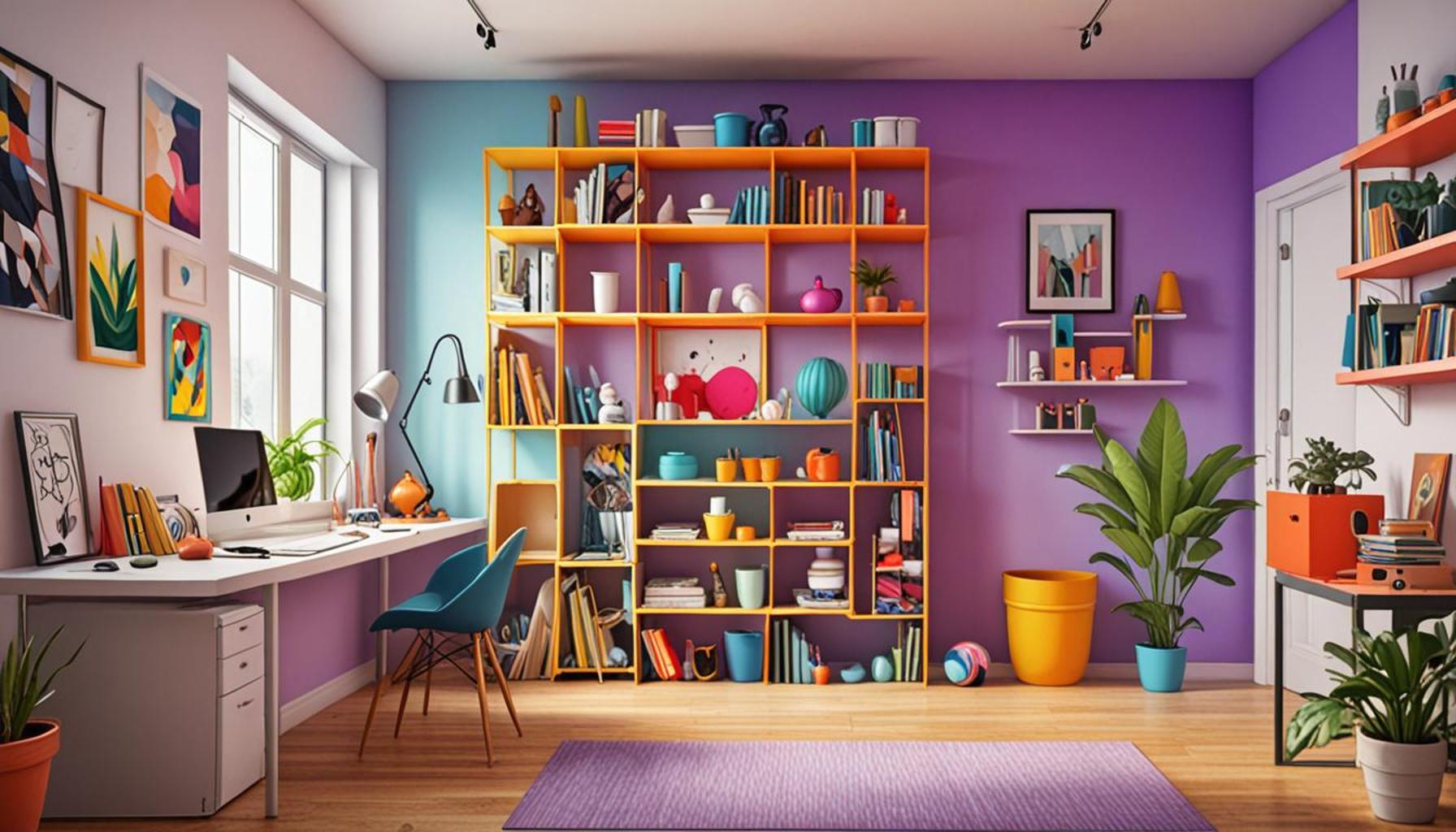
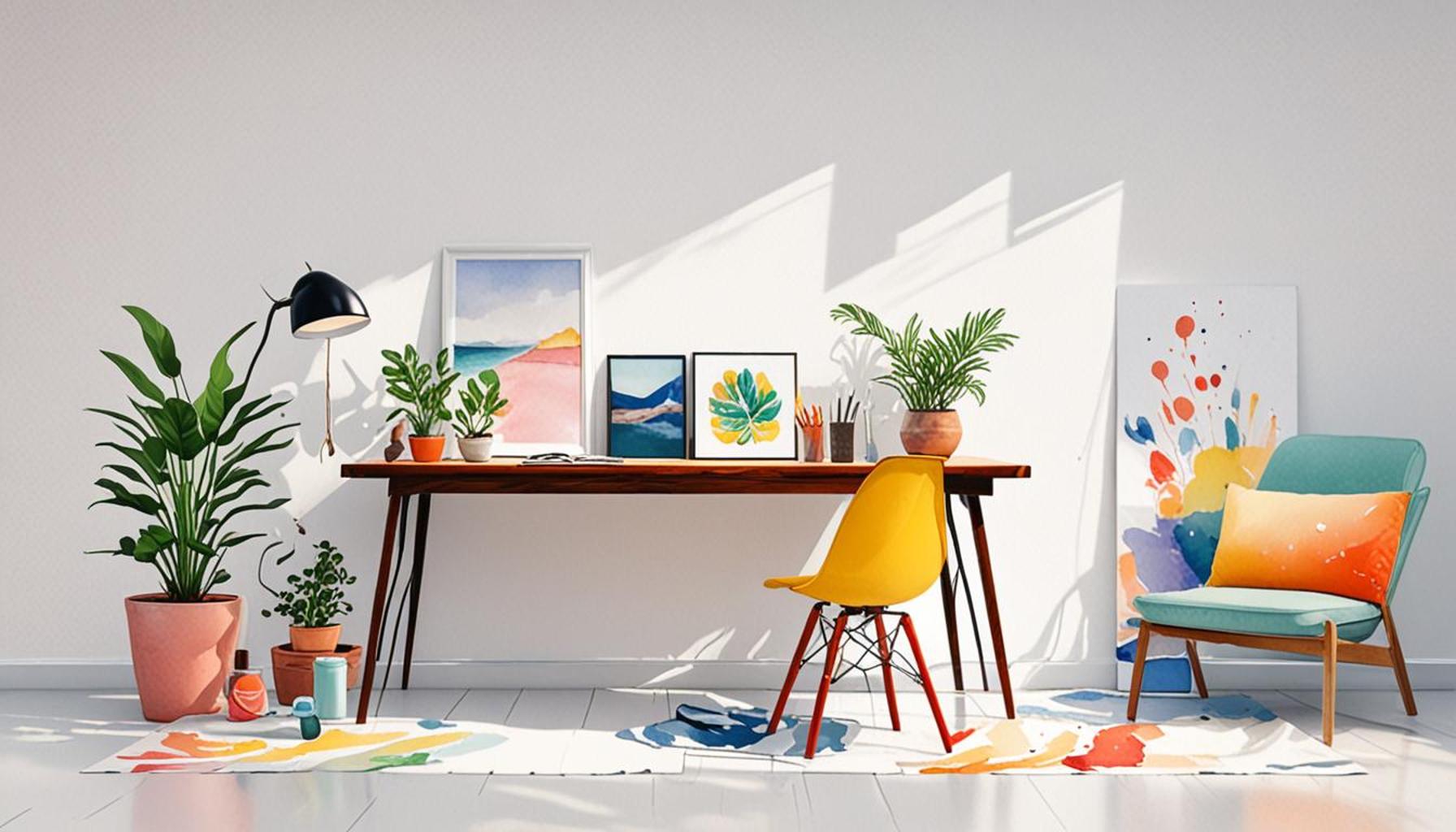
Colors are not just visual phenomena; they are influential agents of emotion and mood. Different colors can evoke distinct feelings; for example, blue often instills a sense of calm and tranquility, which is why it’s widely used in bedrooms and meditation spaces. In contrast, bright colors like red and orange can stimulate excitement and energy, making them popular choices for creative workspaces or dining areas where social interaction occurs. Furthermore, colors can manipulate our perception of space. Light colors can make a smaller room feel larger, while darker hues can create a more intimate feel — a principle expertly utilized in many restaurant designs to encourage a cozy atmosphere.
Textures also contribute significantly to the sensory experience of a space. The feel of a surface can create a sense of comfort, elegance, or starkness. For instance, a soft fabric on a sofa invites guests to sink into relaxation, while smooth marble countertops in a kitchen might evoke sophistication and modernity. The juxtaposition of textural contrasts can enhance visual interest and depth; pairing a polished wood table with a rough linen table runner can create an engaging dining experience. Moreover, texture can affect lighting; matte finishes absorb light, creating a moody ambiance, whereas glossy surfaces reflect it, often brightening a space.
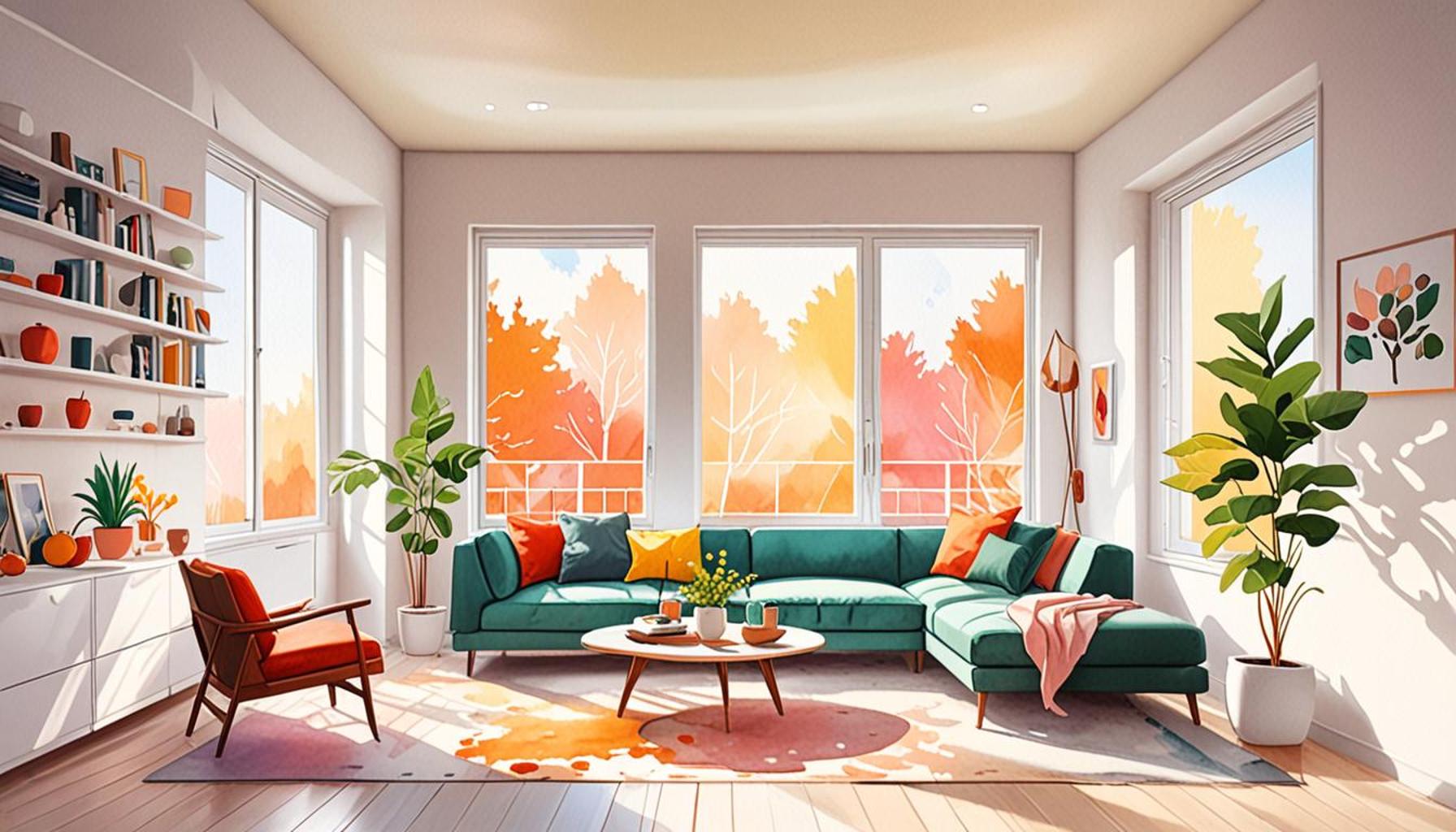
Lighting plays a pivotal role in how colors and textures are perceived. The way light interacts with surfaces can dramatically change the overall ambiance of a space. For example, warm incandescent lighting can soften bold colors, creating a cozy environment, while cool LED lights may enhance the vibrancy of those same hues. This understanding is vital in areas like interior design and architecture, where lighting can define the mood and functionality of spaces.
In various applications, the careful selection of color palettes and textures can redefine a room’s character. Soft, warm colors often evoke intimacy and comfort, desirable in residential settings, while bold shades might energize a bustling office or a cheerful children’s playroom. The art of layering different textures and colors invites intrigue and conversation; a well-designed space not only serves a purpose but also tells a story through its aesthetic choices.
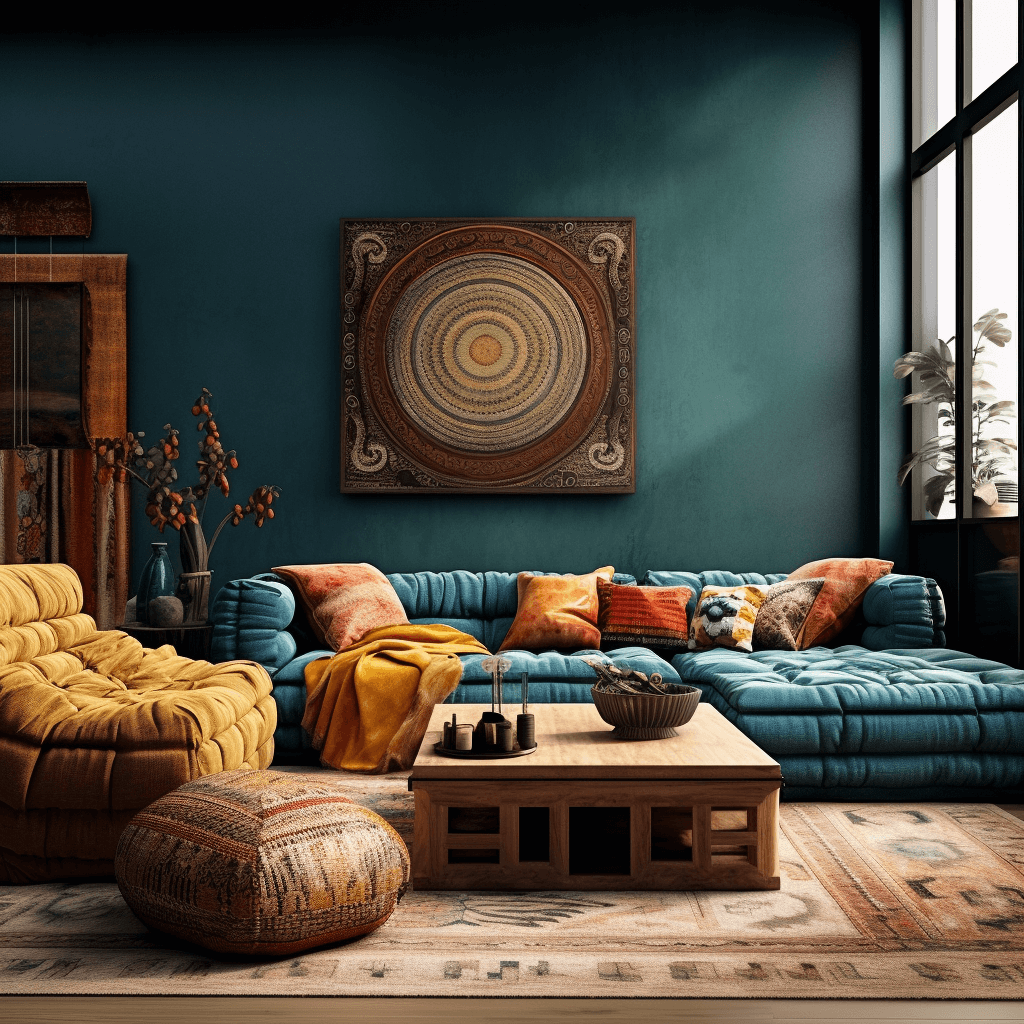
This exploration invites you to consider how these elements function not just aesthetically, but psychologically. What does your choice of color say about your intended atmosphere? How does texture influence the tactile experience of a room? By diving deeper into the fascinating world of design, you can uncover the subtle yet powerful ways colors and textures shape our perceptions of space, leading to environments that are not only beautiful but deeply enriching.
DISCOVER MORE: Click here for clever storage ideas
How Colors Influence Our Emotions and Spaces
Colors have a profound ability to engage our emotions and influence our perceptions of the environments around us. Recent studies in color psychology suggest that specific hues can elicit specific feelings and reactions within individuals. For instance, blue has been consistently linked to feelings of calm and tranquility, often leading to its widespread use in settings such as hospitals and hospitals to ease anxiety among patients. Similarly, the color green reflects nature and growth, promoting feelings of relaxation and balance. This understanding of color use is essential for anyone looking to create spaces that evoke desired emotional responses.
Moreover, the choice of color can impact perceptions of space dramatically. Lighter shades can enhance the feeling of spaciousness within a room, making it an effective technique in smaller areas. For example, painted white or pastel walls often give a vast and airy appearance, enabling occupants to feel less confined. This concept is crucial in urban living spaces, where square footage can come at a premium. On the other hand, using darker colors can create a sense of warmth and intimacy, ideal for spaces meant for private gatherings, such as bedrooms and personal lounges.
The following are key emotions typically associated with various colors:
- Red: Energy, passion, excitement
- Yellow: Cheerfulness, optimism, warmth
- Blue: Calmness, reliability, serenity
- Green: Balance, growth, rejuvenation
- Purple: Creativity, luxury, wisdom
The Role of Textures in Enhancing Perception
Just as critical as color, textures serve a vital role in shaping the sensory experience of a space. Textures are not merely about visual appeal; they also engage our sense of touch, which can evoke certain feelings or thoughts about a space. For example, incorporating soft, plush fabrics in living rooms can promote comfort and warmth, inviting people to relax and linger. In contrast, the use of smooth, sleek surfaces in a contemporary kitchen conveys modernity and efficiency.
The interaction between various textures can also elevate a design’s overall appeal. Imagine a setting where sleek metal accents contrast against warm wooden elements—this combination not only piques interest but also creates a multi-dimensional experience. The layering of textures contributes to an environment’s richness, creating an inviting space that welcomes exploration and curiosity.
In terms of functionality, texture can also manipulate lighting. Surfaces with rough or matte finishes may absorb light, fostering a more subdued atmosphere, whereas glossy surfaces reflect light, enhancing brightness and vivacity. This phenomenon is essential in designing spaces that cater to specific moods or activities, such as a vibrant office space for brainstorming sessions versus a serene retreat for relaxation or concentration.
Ultimately, by understanding how colors and textures affect emotional responses and spatial perceptions, designers and homeowners alike can craft environments that resonate more deeply with their intended purpose. This exploration of color and texture leads us further into the realm of design, where choices made have lasting impacts on individuals’ experiences and emotional health.
| Category 1 | Category 2 |
|---|---|
| Color Psychology | Different colors evoke different emotions and reactions, influencing how we feel in a space. |
| Texture in Design | Textures can create a sensory experience that enhances comfort or stimulation, affecting spatial perception negatively or positively. |
The vast world of design greatly emphasizes the significance of colors and textures in shaping our environment. Color psychology suggests that colors can significantly influence mood and emotional response. For example, warm colors like red can stimulate activity, while cooler tones such as blue tend to promote calmness. This understanding is essential for interior designs aimed at creating specific atmospheres in spaces like homes, offices, and even public areas.Moreover, the right textures add an extra dimension to our experience. Textures, ranging from smooth surfaces to rough, tactile materials, either invite exploration or create barriers in our perception of space. Recognizing these dynamics can aid designers in crafting environments that not only look visually appealing but also feel comfortable or inspiring. By exploring these aspects further, readers can discover how their space influences their emotional well-being and daily interactions.
DISCOVER MORE: Click here to unlock your space
How Textures Interact with Colors to Shape Ambiance
Expanding on the importance of both colors and textures, it is crucial to recognize how these elements work in harmony to create a cohesive atmosphere within a space. The interaction between color and texture can drastically alter the perception of a room’s dimensions and emotional appeal. A vivid color applied to a textured surface can amplify its visual impact, drawing the eye and stimulating engagement. For instance, a rich teal paint on a textured wall can create depth and complexity, making a living area feel both vibrant and dynamic.
The use of textured wall coverings, such as wallpaper that mimics natural materials like stone or wood, can also enhance spatial perception. These materials not only add a tactile element but also generate an illusion of depth that can make walls seem less flat and more engaging. Textured surfaces can subtly shift how light interacts with a space, reflecting it differently and changing the mood based on the time of day. As light dances across textured walls, it creates varying shades and shadow patterns that can capture attention or provide a calming presence, depending on the chosen hues.
Moreover, the influence of textures extends beyond just the walls. Incorporating a variety of materials—such as soft textiles, rough plaster, or sleek ceramics—can further elevate the sensory experience. In interiors, elements like area rugs can define spaces within rooms, impacting both functionality and aesthetics. A plush, cozy rug can demarcate a relaxation zone within a larger space, enhancing comfort and inviting relaxation through both its color and texture.
The Impact of Textural Variety on Atmosphere
The layering of different textures can create a classic look in traditional homes or a striking contrast in modern designs. Mixing textures such as velvet, leather, and metals can provide an unexpected yet pleasing complexity to a space. The incorporation of various textures in furniture, fabrics, and accessories can pique curiosity and make a room feel more dynamic. For example, the combination of a soft velvet sofa paired with rustic wooden accents offers a blend of comfort and sophistication, leading to a more inviting living space.
In the realm of commercial design, understanding the interaction between textures and colors can influence not only aesthetic appeal but also customer experiences. In retail environments, brands often implement textured displays and vibrant colors to guide consumers’ emotions and behaviors. A store filled with bright colors and textured displays can create an atmosphere that encourages exploration and engagement, essential for fostering a vibrant shopping experience. Key retail players strategically choose these combinations to enhance brand identity, with an emphasis on creating memorable spaces that impact consumer decisions.
The importance of designing spaces that harmoniously balance colors and textures cannot be overstated. By mastering the artful combinations of these elements, designers can craft environments that not only enhance spatial perception but also evoke powerful emotional reactions. With thoughtful consideration and intentional design choices, spaces can be transformed into dynamic expressions of comfort, vitality, and style.
DISCOVER MORE: Click here for innovative space optimization techniques
Conclusion: The Transformative Power of Colors and Textures
In summary, the interplay of colors and textures in design profoundly influences our perception of space, shaping not only the aesthetics but also the emotional experience within environments. As we have explored, the careful selection of hues and materials can create depth, enhance spatial dynamics, and evoke specific feelings—be it calmness through soft, muted tones or vibrancy with bold, lively palettes. This harmonious relationship is essential for both residential and commercial spaces, where the ambiance can significantly impact daily interactions and overall satisfaction.
Moreover, as designers continue to understand the psychological and sensory implications of design choices, they can leverage this knowledge to cultivate environments that resonate with users. By mixing various textures—such as incorporating plush textiles with rustic finishes—designers can not only enhance visual interest but also transform how a space functions, effectively guiding movement and fostering connection. The ongoing evolution in design trends highlights the need for innovation and a deeper appreciation for how materials can dictate mood and enhance user experience.
As we look ahead, the exploration of colors and textures remains a pertinent topic in the design discourse, where additional research and experimentation can unveil new possibilities. This journey invites architects, interior designers, and homeowners alike to consciously curate their spaces, ensuring that every color and texture contributes to a narrative of comfort, functionality, and identity. Ultimately, the thoughtful integration of these elements promises to elevate our environments, making them both strikingly beautiful and profoundly meaningful.