Smart Furniture: Pieces That Enhance Functionality and Reduce Clutter
The Revolution of Home Design through Smart Furniture
In an era where efficiency meets design, the rise of smart furniture is nothing short of revolutionary. As urban living spaces shrink, and the demands of modern life increase, homeowners and renters alike are looking for innovative solutions that enhance comfort and convenience. Smart furniture does just that—combining high functionality with aesthetically pleasing designs to create an optimized living environment.
One of the most fascinating aspects of smart furniture is its space-saving solutions. Traditional pieces can often dominate a room, leading to a feeling of clutter and chaos. However, modern innovations have introduced multifunctional items like Murphy beds, which fold into the wall, and expandable dining tables that can adjust to accommodate both intimate dinners and large gatherings. For example, the “Table For Two” is a compact dining table that extends from a small console to a full dining table, demonstrating how pieces can adapt to various needs and spaces.
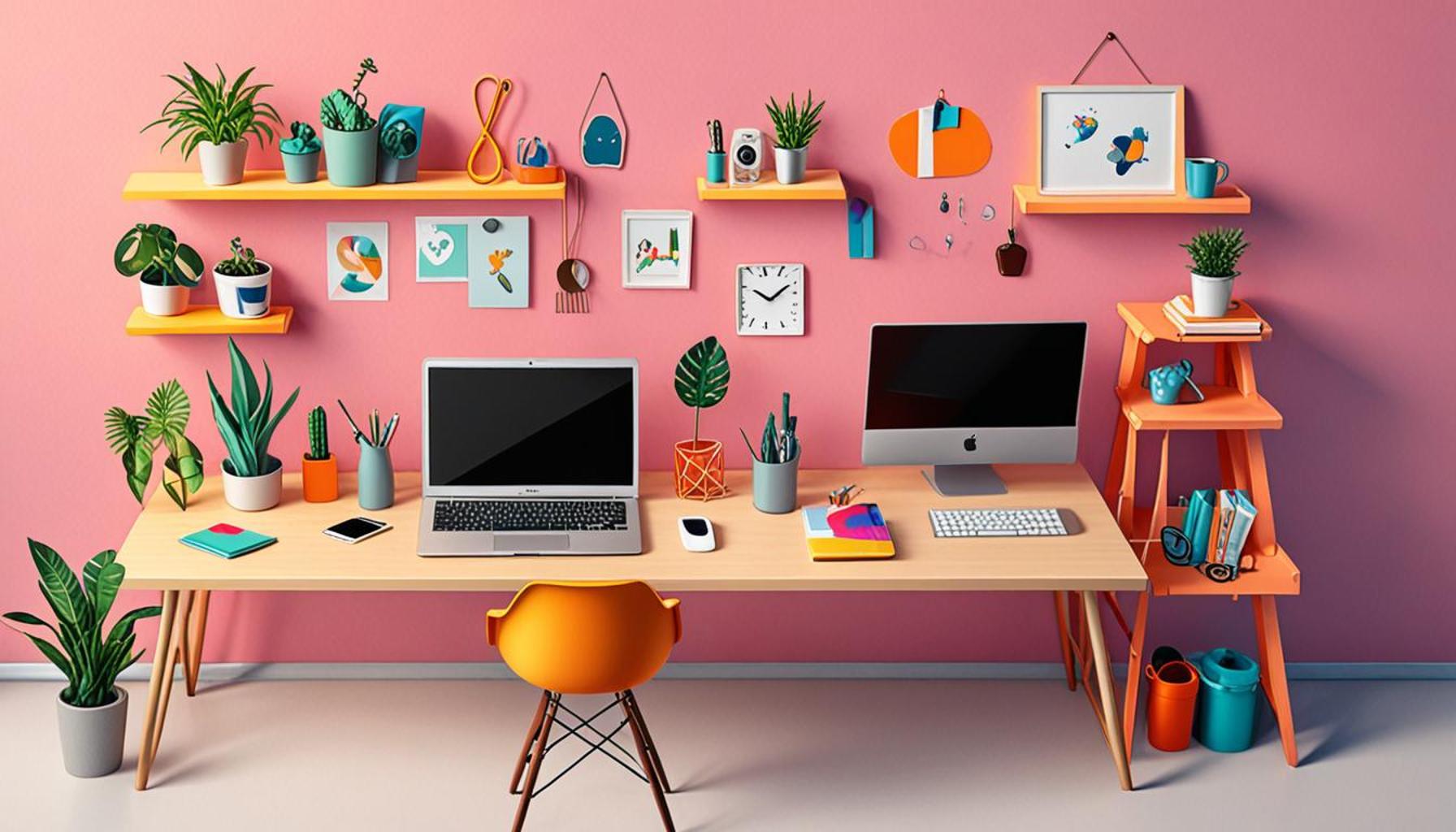
The integration of technology into furniture design takes convenience to another level. Imagine a desk that not only adjusts for ergonomic comfort but also includes built-in wireless charging stations for your devices. Brands like IKEA and Autohome are leading the charge with products that incorporate tech without compromising style. A desk that raises or lowers with the push of a button can help reduce sedentary time, supporting a healthier lifestyle while keeping your workspace tidy and modern.
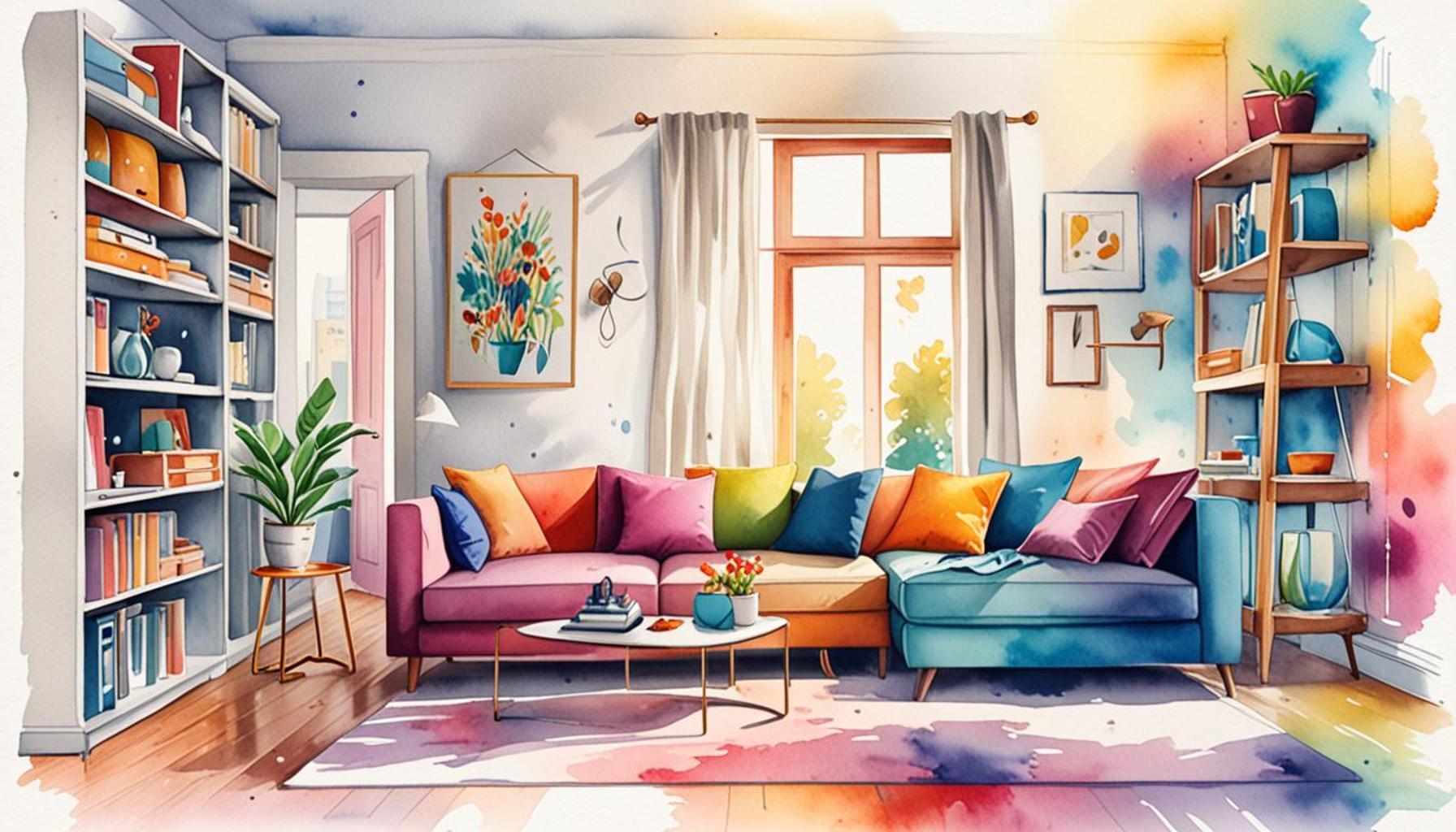
Modular options further enhance the functionality of a living space. Modular sofas can be rearranged to fit your needs—whether you are hosting a movie night or stretching out for a nap. Similarly, shelving units that can be reconfigured allow for a customizable storage solution that grows with your life changes. This flexibility is essential for adapting to the diverse demands of everyday living, especially in smaller homes where every square foot counts.
The allure of smart furniture lies not just in its utility but also in its ability to create a cohesive, harmonious environment. Picture a living room where the entertainment center morphs into a stylish workspace within seconds, making it effortless to transition from relaxation to productivity. This blend of form and function engenders a lifestyle that promotes organization and tranquility.
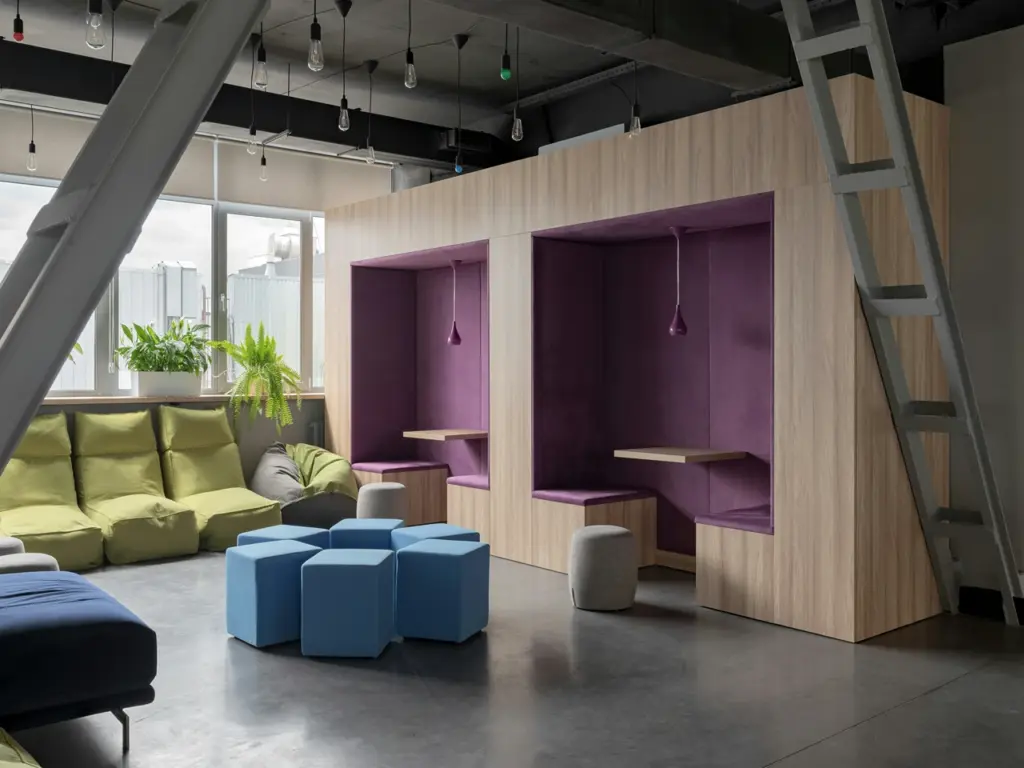
Investing in smart furniture is not merely a trend; it’s a step toward embracing the future. By prioritizing multifunctional, tech-integrated designs, you can not only enhance your home’s functionality but also significantly reduce clutter. The shift toward smart furniture is reshaping our interaction with living spaces, offering a glimpse into a future where homes are as adaptable as their residents.
DISCOVER MORE: Click here to find out how
The Functional Fusion of Design and Technology
As the quest for enhanced living spaces continues, smart furniture has emerged as a game-changer, providing innovative solutions that focus on both aesthetic appeal and maximum utility. The objective of smart furniture is not just to serve its users; it’s designed to anticipate their needs. By cleverly integrating technology into designs, these pieces offer functionalities that go beyond traditional furniture.
One notable example includes smart coffee tables. These multifunctional marvels often feature built-in charging stations, Bluetooth speakers, and even refrigerated compartments for drinks. For instance, the “Sobro Smart Coffee Table” allows users to stream music while keeping snacks and beverages cool. This integration of features transforms a conventional coffee table into an essential tech hub, enhancing both form and function in the living room.
Moreover, the user-friendly designs of smart furniture are available in various materials and finishes, allowing consumers to find the perfect match for their decor. Wood, metal, and glass are just some of the materials utilized, ensuring a balance between style and durability. Modern pieces can blend seamlessly into any environment, from minimalist studios to elaborate homes, offering the right touch to elevate the overall design.
In addition to individual pieces, entire collections of smart furniture are available, catering to those who desire a cohesive look throughout their homes. These collections might include:
- Smart beds with adjustable bases that cater to different sleeping positions and built-in lighting.
- Desk organizers with integrated tech outlets, ensuring workspace efficiency—all while keeping cords and clutter hidden.
- Intelligent upholstered seating that provides built-in armrest controls for charging devices or changing TV settings.
The result of such thoughtful design is a significant reduction in clutter. Smart furniture not only appeals to our need for organization but also encourages a lifestyle where physical items are repurposed. Take, for example, a convertible sofa bed, which not only acts as a stylish seating option during the day but transforms into a cozy guest bed at night. This duality minimizes the need for separate furniture, ultimately leading to an organized and efficient space.
Environmental concerns are another dimension to the rise of smart furniture. Many manufacturers are now focusing on sustainable materials and technologies, recognizing that eco-friendly options are essential for today’s consumer. The shift towards sustainable smart furniture not only aligns with modern values but also combines functionality with a commitment to the planet’s wellness.
As we delve deeper into the world of smart furniture, it’s clear that these ingenious pieces are much more than just decorative elements; they are essential components in the fight against clutter. By offering innovative solutions that cater to our ever-evolving lifestyles, smart furniture stands at the forefront of home design, helping us create spaces that are not only beautiful but also profoundly functional.
| Category | Description |
|---|---|
| Multi-Functional Pieces | Furniture that serves multiple purposes, such as sofas that convert into beds or tables that fold away. |
| Space-Saving Designs | Innovative structures that maximize space efficiency, ideal for small apartments. |
| Smart Storage Solutions | Built-in compartments in furniture items, helping to reduce clutter effectively. |
| Eco-Friendly Materials | Sustainable materials used that not only look good but are also environmentally responsible. |
The rise of smart furniture is reshaping our living spaces, seamlessly combining form and function. By choosing pieces that fulfill multiple roles, homeowners can optimize their interiors for both utility and aesthetic appeal. These innovative designs are not just about style; they inherently reduce clutter and enhance the environment in which we live. For those residing in smaller spaces, the challenge has often been finding furniture that does not overwhelm the area. However, with space-saving designs that easily transition from one form to another, smart furniture offers practical solutions to optimize every square inch. Moreover, the emergence of smart storage solutions further aids in maintaining organization, ensuring that vital items are hidden away, which contributes to a more serene atmosphere. Finally, as environmentally conscious consumers seek sustainable options, many smart furniture pieces are crafted from eco-friendly materials that make an attractive statement while promoting responsible consumption. This movement towards smarter, more adaptable furniture is leading us to rethink how we interact with our living spaces, encouraging a lifestyle that embraces efficiency and minimizes waste.
DISCOVER MORE: Click here to enhance your focus
Transforming Spaces with Versatile Solutions
The rise of smart furniture has reshaped how we think about our living environments, offering solutions that are not just innovative but also adaptable. In an age where spaces are becoming more compact, the necessity for multifunctional designs is more pertinent than ever. One can observe this trend in emerging types of furniture designed specifically with versatility in mind.
For instance, modular furniture systems are gaining traction. These systems allow users to reconfigure their furniture according to their changing needs. A great example includes the “Muuto Connect Sofa,” which can be arranged into various shapes and sizes to fit any room layout. This adaptability is vital for urban dwellers whose spaces may serve multiple purposes—from lounges to workspaces—while maintaining a stylish aesthetic that caters to individual preferences.
Furthermore, smart desks equipped with adjustable heights have transformed the way we approach work-from-home setups. The “Fully Jarvis Standing Desk,” for example, offers both manual and electronic height adjustments, allowing users to conveniently switch between sitting and standing. This encourages a healthier lifestyle, combating the adverse effects of prolonged sitting, while its sleek design keeps clutter at bay with integrated cord management solutions. Such innovations not only offer physical benefits but also enhance overall productivity by creating a more comfortable work environment.
With the integration of smart technology, many furniture pieces now incorporate app connectivity that allows users to monitor and adjust their items remotely. For example, the “Smart Bed” from Sleep Number links to a mobile app, which tracks sleep patterns and adjusts firmness levels throughout the night to enhance comfort. This high level of customization ensures that users can create their ideal sleep environment, ultimately reducing the need for additional bedding accessories that often contribute to clutter.
Sustainability plays a crucial role in the evolution of smart furniture, as manufacturers are increasingly mindful of the environmental impact of their products. On the forefront of this movement is furniture created from reclaimed materials, which not only provides unique character but also promotes resource conservation. Brands like “Floyd” offer a range of modules made from sustainably sourced wood, reflecting a commitment to eco-friendliness while still offering sleek designs that cater to modern sensibilities.
Moreover, as technology continues to advance, the possibilities for smart furniture are expanding rapidly. Consider the emergence of smart mirrors that serve as digital display interfaces, providing not just reflections but also weather updates, calendar reminders, and customizable content. This integration of technology within everyday items can streamline morning routines and reduce the need for separate devices cluttering the countertop.
The appeal of smart furniture ultimately lies in its capacity to harmonize technology with design and functionality. As manufacturers continue to explore creative ways to infuse innovative solutions into their products, consumers respond positively to the enhanced organization and efficiency these pieces bring to their lives. With the flexibility to adapt, smart furniture sets a new standard for creating homes that not only look good but also work hard for their inhabitants.
DIVE DEEPER: Click here for stress reduction strategies
Rethinking Home Dynamics with Smart Innovations
As we navigate the complexities of modern living, smart furniture emerges as a pivotal solution in enhancing functionality while minimizing clutter. With designs that adapt to the evolving needs of today’s lifestyles, appliances like modular systems and adjustable desks illustrate a profound shift in how we interact with our environments. These innovations not only maximize the use of space but also prioritize user health and productivity. For instance, the benefits of height-adjustable desks illustrate a commitment to both physical well-being and efficient work environments, enabling individuals to tailor their settings seamlessly.
The incorporation of smart technology continues to revolutionize the landscape of furniture, with app-connected items providing real-time personalization and efficiency. Items such as the “Smart Bed” emphasize customization that fosters comfort and enhances daily routines. Sustainability is further woven into this narrative, as manufacturers commit to eco-friendly practices by utilizing reclaimed materials, showcasing the idea that style and responsibility can coexist harmoniously.
Ultimately, the emergence of smart furniture encourages a holistic approach to home design, where aesthetics meet cutting-edge functionality. As consumer preferences shift toward multifunctional solutions that respond to our multifaceted lives, smart furniture stands out as not just a trend, but a fundamental evolution in how we create our spaces. It invites us to reconsider not only our furniture choices but also how we engage with our living environments—making our homes not only more beautiful but also more practical for the demands of contemporary life.