The Importance of Natural Light in Optimizing Minimalist Spaces
Transforming Spaces with Natural Light
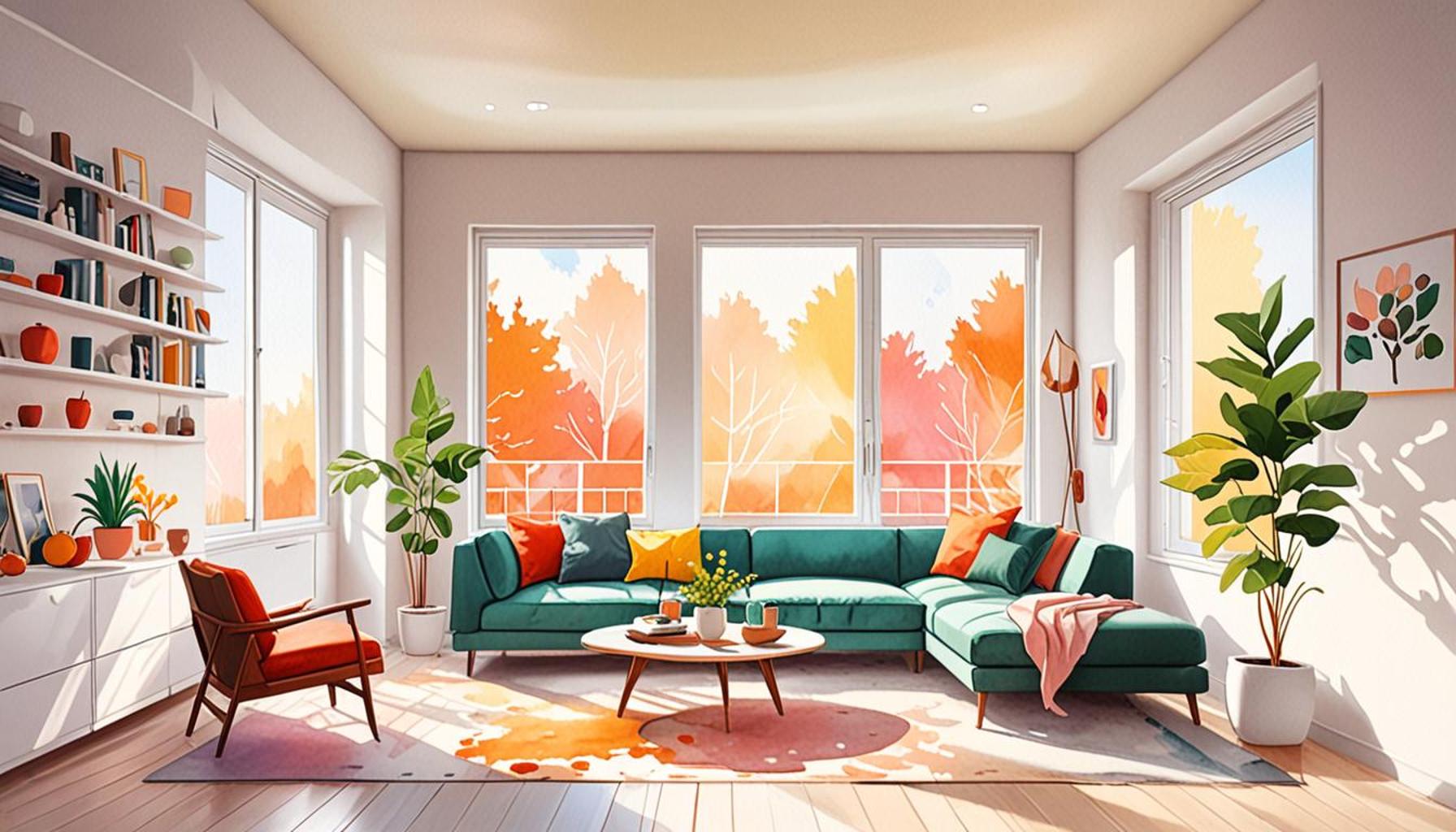
In contemporary design, particularly within minimalist spaces, the impact of natural light cannot be downplayed. This vital element does much more than merely brighten rooms; it serves as a catalyst for mood enhancement, visual expansion, and sustainable living. By harnessing the power of light, homeowners can cultivate environments that exude warmth and tranquility, ideal for today’s fast-paced lifestyle.
Let’s delve deeper into the myriad advantages of integrating natural light into your minimalist design:
- Enhances Mood: Numerous studies indicate that exposure to sunlight can significantly elevate serotonin levels, which plays a key role in boosting mood and promoting overall feelings of happiness. An abundance of light can lead to increased productivity and improved mental clarity, making spaces feel not just livable but vibrant.
- Energy Efficiency: Relying on daylight minimizes the need for artificial lighting, which conserves energy and ultimately lowers utility bills. Imagine a bright, sunlit living room bathed in natural light during the day, allowing you to turn off overhead lights and reduce your carbon footprint.
- Spatial Perception: When sunlight filters through windows, it can create the illusion of larger spaces, enhancing the feeling of openness and airiness. This is especially beneficial in denser urban areas like New York City, where square footage comes at a premium. By keeping spaces open and well-lit, minimalism can lead to a more breathable living environment.
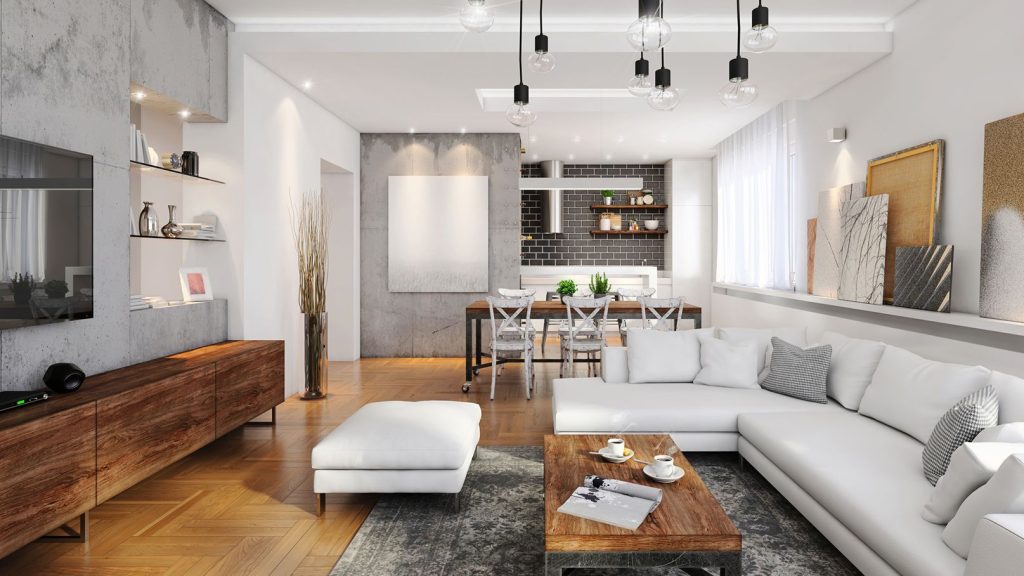
Furthermore, natural light plays an essential role in revealing the true colors and textures of minimalist decor. Think about how sunlight hits organic materials like wood or stone, bringing out their inherent beauty. This element is particularly noteworthy in cities like San Francisco, where smaller apartments benefit tremendously from an intentional arrangement that emphasizes light and space.
As we explore the importance of natural light in design, it becomes clear that optimizing this resource can lead to the creation of harmonious environments reflective of a mindful lifestyle. By carefully considering window placement, the use of light colors in decor, and the addition of mirrors to reflect sunlight, anyone can unlock the potential of their living spaces.
In conclusion, the relationship between light and minimalist design is profound. Embracing natural light not only uplifts the aesthetic appeal of our homes but also nurtures our well-being. Start discovering how to weave light into your living spaces, and you may find that every corner of your home radiates a sense of peace and intentionality.
DIVE DEEPER: Click here to learn more
The Role of Natural Light in Minimalist Design
When it comes to minimalist spaces, the strategic use of natural light is not just an aesthetic choice; it’s a fundamental principle that dramatically influences the atmosphere of a home. The clean lines and uncluttered feel that define minimalist design are beautifully complemented by abundant sunlight. Natural light floods spaces, creating a dynamic interplay between color and shadow that highlights the simplicity at the heart of minimalist aesthetics.
One fascinating aspect of utilizing natural light is its ability to transform even the most modest of spaces into vibrant environments. When light enters a room, it dances across surfaces and creates depth, encouraging a sense of tranquility and calmness amid the often overwhelming demands of modern life. In fact, studies show that homes brimming with daylight not only enrich our visual experience but also foster a greater sense of connection to nature, which can significantly enhance our well-being.
Moreover, the thoughtful incorporation of natural light aligns perfectly with the principles of eco-conscious living. Embracing daylight reduces reliance on artificial lighting, which in turn reduces energy consumption and the associated environmental impact. Consider these key benefits:
- Reduced Energy Costs: Homes that maximize natural light can dramatically cut heating and lighting expenses. With well-placed windows or skylights, energy bills can decrease by as much as 30%, a significant saving for residents.
- Enhanced Comfort Levels: Natural light not only warms up a space physically but also contributes to psychological comfort. Daylight has been consistently linked to improved mood and mental health, leading to happier, more productive households.
- Biophilic Design: By integrating outdoor elements into indoor environments via the flow of natural light, homeowners can create spaces that resonate with the natural world. This concept, known as biophilic design, emphasizes the importance of reconnecting with nature to improve overall quality of life.
In addition to its practical benefits, natural light complements the minimalist aesthetic by emphasizing simplicity through clarity. Unobstructed views that embrace sunlight can enhance a home’s overall design narrative, allowing the materials, textures, and color palettes to breathe and stand out. For instance, light wooden finishes in a cozy living space or crisp white walls in a kitchen will seem to glow under direct sunlight. This interplay of light creates an ambiance that harmonizes with the minimalist ethos—celebrating functional beauty.
Ultimately, maximizing natural light is about more than just illumination; it invites serenity and fosters a sense of home. With careful consideration of architectural elements and design choices, homeowners can unlock the full potential of their minimalist spaces, allowing light to shape their living experience in profoundly positive ways.
The Role of Natural Light in Enhancing Minimalist Aesthetics
Natural light serves as a quintessential element in the design of minimalist spaces, creating an atmosphere characterized by purity and tranquility. The essence of the minimalist aesthetic is in its simplicity; thus, the integration of light becomes crucial in amplifying this simplicity. By utilizing large windows and open layouts, architects capitalize on the sun’s path, allowing natural light to flood in, which in turn showcases clean lines and uncluttered environments. This design philosophy not only emphasizes the beauty of minimalism but also creates a serene ambience.
Psychological Benefits of Natural Light
Exposure to natural light has been shown to contribute positively to mental well-being. Studies suggest that spaces flooded with daylight can enhance mood and boost productivity. In minimalist interiors, where every element is intentional, natural light can seamlessly draw attention to the design’s key features while fostering a sense of calm and mindfulness. The interplay of light and shadow in such spaces can evoke emotions, connecting inhabitants to their surroundings in a profound manner.
Environmental Impact and Energy Efficiency
Another compelling aspect of natural light is its role in promoting energy efficiency. Utilizing daylight reduces reliance on artificial lighting, thereby minimizing energy consumption and carbon footprints. In the context of minimalist spaces, where sustainability holds significant value, harnessing natural light plays a fundamental role in creating eco-friendly environments. Integrating large glass panels and skylights can allow for passive solar heating, further enhancing the overall efficiency of a minimalist home and advocating for a sustainable lifestyle.
| Advantages | Description |
|---|---|
| Enhanced Aesthetics | Natural light highlights the minimalistic elements, creating a stunning visual impact. |
| Improved Well-being | Increased exposure to natural light can improve mood and concentration. |
| Sustainability | Reduces energy consumption through effective use of daylighting. |
Embracing natural light as a focal element in minimalist design not only contributes to aesthetic appeal but also fosters a healthier living environment. By prioritizing sunlight, we enhance our spaces and promote a lifestyle that cherishes simplicity while respecting our planet. The potential for innovation in utilizing natural light within minimalist frameworks is vast, inviting endless possibilities for future architectural endeavors.
DON’T MISS OUT: Click here to uncover innovative storage ideas
Designing for Natural Light: Key Considerations
To truly harness the benefits of natural light in minimalist spaces, careful consideration must be given to design elements and architectural choices. By allowing natural light to take center stage, homeowners can create a harmonious environment that promotes tranquility and enhances the minimalist philosophy. Here are some essential factors to consider:
- Orientation of Windows: The direction in which windows are placed plays a pivotal role in how much natural light a space receives. For example, homes that face south in the Northern Hemisphere are often bathed in light throughout the day. Strategically positioning windows to maximize sunlight during peak hours can significantly reduce the need for artificial lighting and enhance the overall mood of the home.
- Skylights and Light Tubes: In areas where wall space for windows is limited—such as hallways, stairwells, or even bathrooms—installing skylights or light tubes can bring in a flood of daylight. These features can create visual interest and contribute to an open, airy feel, aligning seamlessly with the minimalist design ethos.
- Open Floor Plans: Open floor plans are a hallmark of minimalist living, allowing for the free flow of light from one area to another. By minimizing walls and barriers, natural light can penetrate deeper into living spaces, enhancing connectivity between rooms. This approach encourages not only light but also sociability and interaction among inhabitants.
Furthermore, glass doors or large windows can dissolve the boundaries between indoor and outdoor spaces. Expansive glass features allow for unobstructed views of nature while ushering in a wealth of natural illumination. The sight of greenery and sunlight streaming in can act as a stunning backdrop for a minimalist interior, reinforcing that essential connection to nature.
Material Choices and Color Palettes
The choice of materials and colors also plays a significant role in optimizing natural light within minimalist spaces. Lighter hues tend to reflect more light, enhancing the overall brightness of a room. White or soft pastel walls can amplify sunlight, while light-colored furnishings can also lift the energy of a space. Thoughtfully selected reflective surfaces, such as polished wood or glass accents, can further bounce light around, creating a luminous environment that feels expansive and welcoming.
On the other hand, darker colors and heavy fabrics can absorb light, creating a sense of confinement or moodiness that contradicts the minimalist desire for openness and clarity. As such, it’s essential to strike a balance that embraces light while still allowing for elements of warmth and texture to invite comfort.
Maximizing Outdoor Views
Finally, minimalist design doesn’t just stop at the interior; it extends outward as well. Creating outdoor living spaces that are just as streamlined and inviting can enhance views and interplay with natural light. An outdoor deck or patio that seamlessly connects to the interior invites a sense of continuity and ensures that the home feels more connected to its environment. This allows occupants to enjoy the benefits of fresh air and sunlight, transcending the traditional boundaries of indoor living.
Ultimately, achieving an optimized minimalist space through natural light involves an intricate dance of architectural planning, material selection, and design philosophy. By embracing these considerations, homeowners can cultivate living environments that not only showcase beauty but also enhance health and well-being, making the most of the timeless relationship between light and space.
DIVE DEEPER: Click here for innovative space-saving tips
Conclusion
In the quest for creating serene and functional minimalist spaces, harnessing the power of natural light is paramount. This essential element not only elevates the aesthetic appeal of a home but also significantly influences the mental and physical well-being of its inhabitants. By thoughtfully designing for maximum sunlight, utilizing lighter color palettes, and incorporating outdoor elements, homeowners can transform their living spaces into sanctuaries of light and tranquility.
The correlation between natural light and energy efficiency presents additional benefits, as reduced reliance on artificial lighting can lead to lower utility costs and a smaller carbon footprint. Furthermore, embracing open floor plans and expansive glass features fosters connectivity to the outdoors, creating a seamless transition between interior and exterior realms. This connection promotes a sense of harmony and peace, aligning perfectly with the core principles of minimalism.
As we move towards a more environmentally conscious society, the importance of optimizing our living spaces through natural light becomes increasingly relevant. Homeowners are encouraged to explore innovative designs that maximize light, ensuring their environments are not only visually appealing but also contribute to a healthier lifestyle. In essence, the marriage of natural light and minimalist design is not just about aesthetics; it is about crafting spaces that nurture the soul and enhance the quality of life.
In this exploration of natural light’s significance, we invite readers to dive deeper into their own living spaces. Consider how light interacts with their home and envision how thoughtful changes could elevate their experience of living. The influence of natural light in minimalist design is profound, offering endless possibilities for those seeking to create spaces that inspire and rejuvenate.