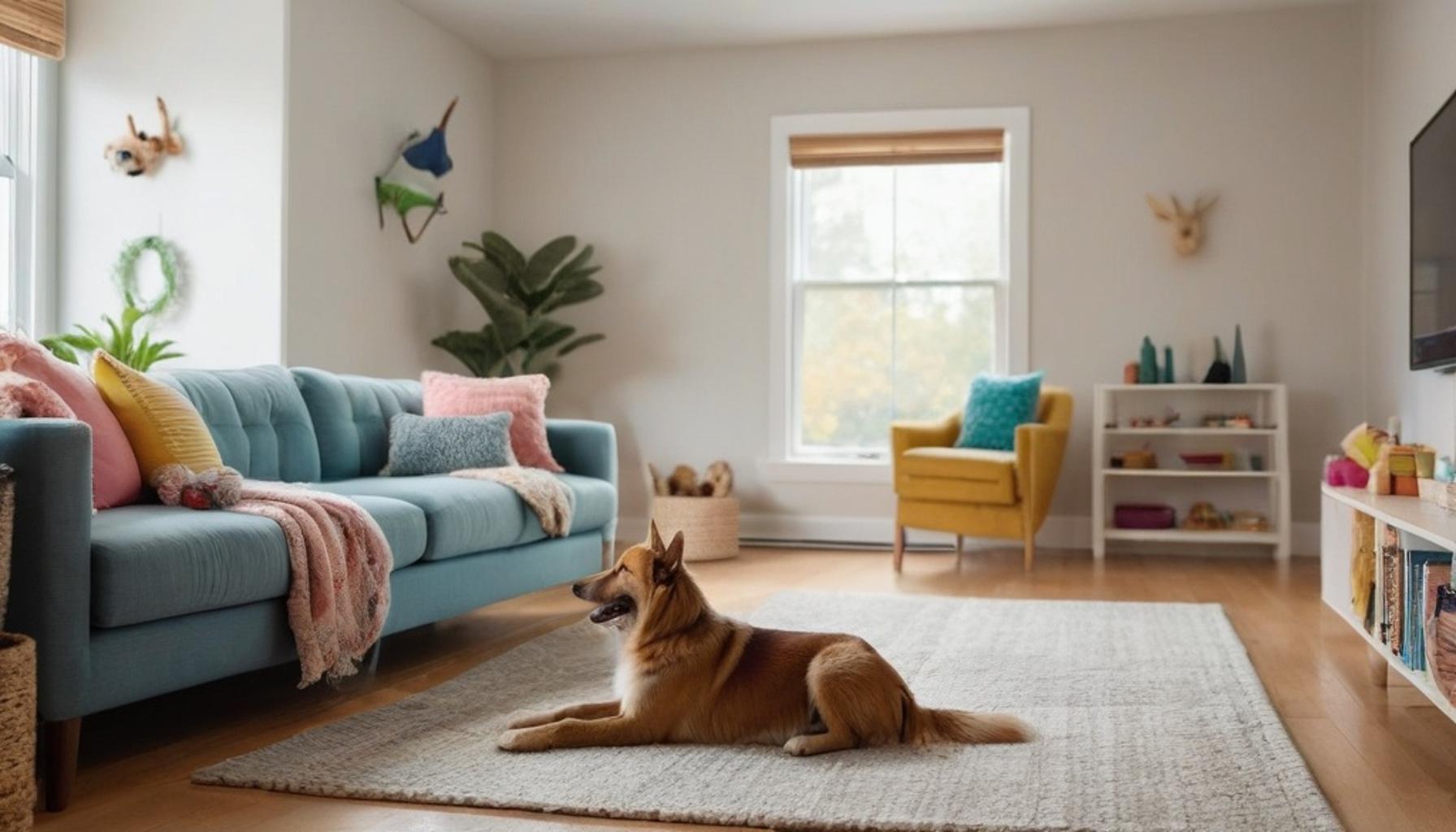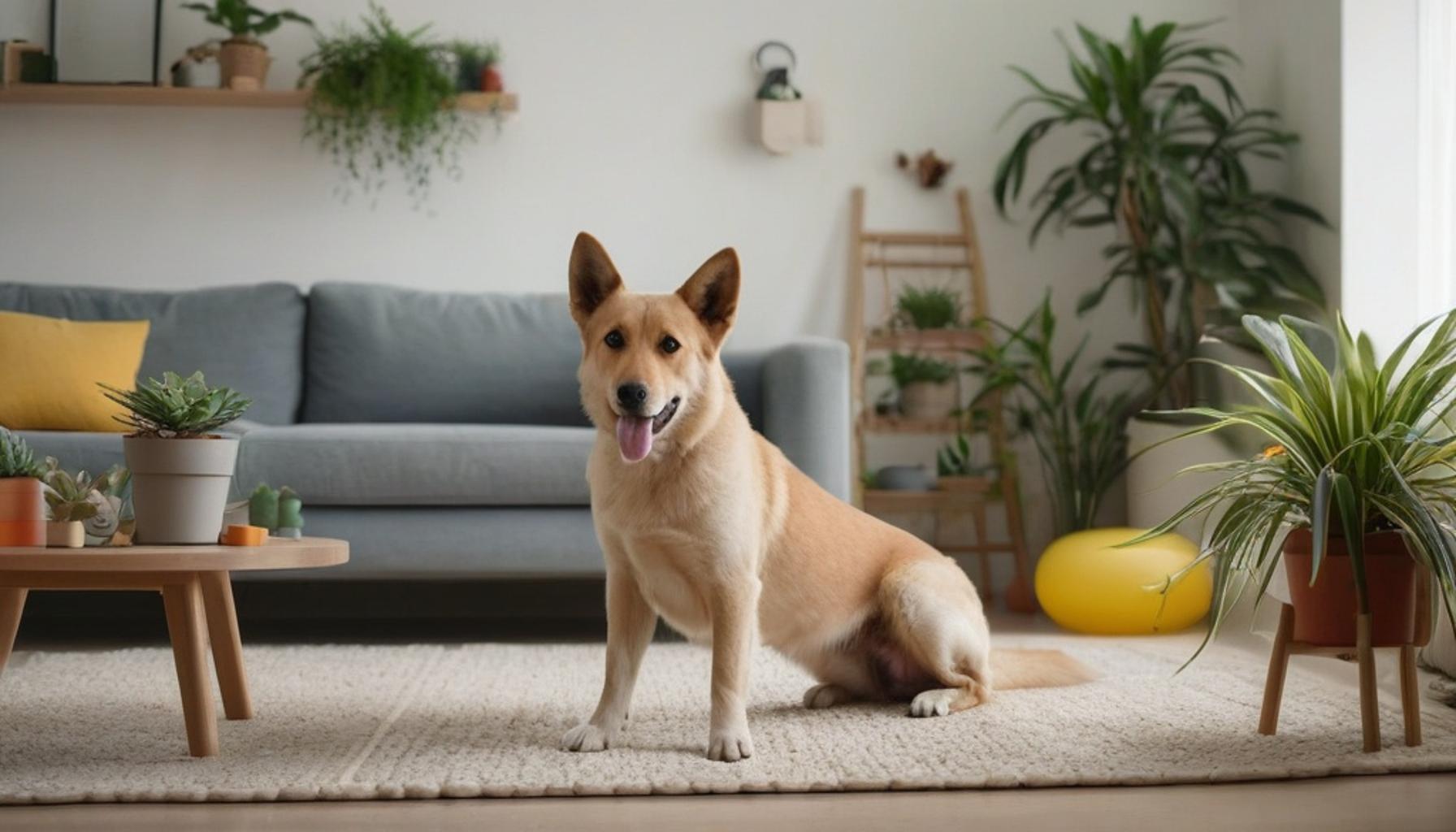
Environmental Enrichment Strategies to Promote Positive Behaviors in Dogs and Cats
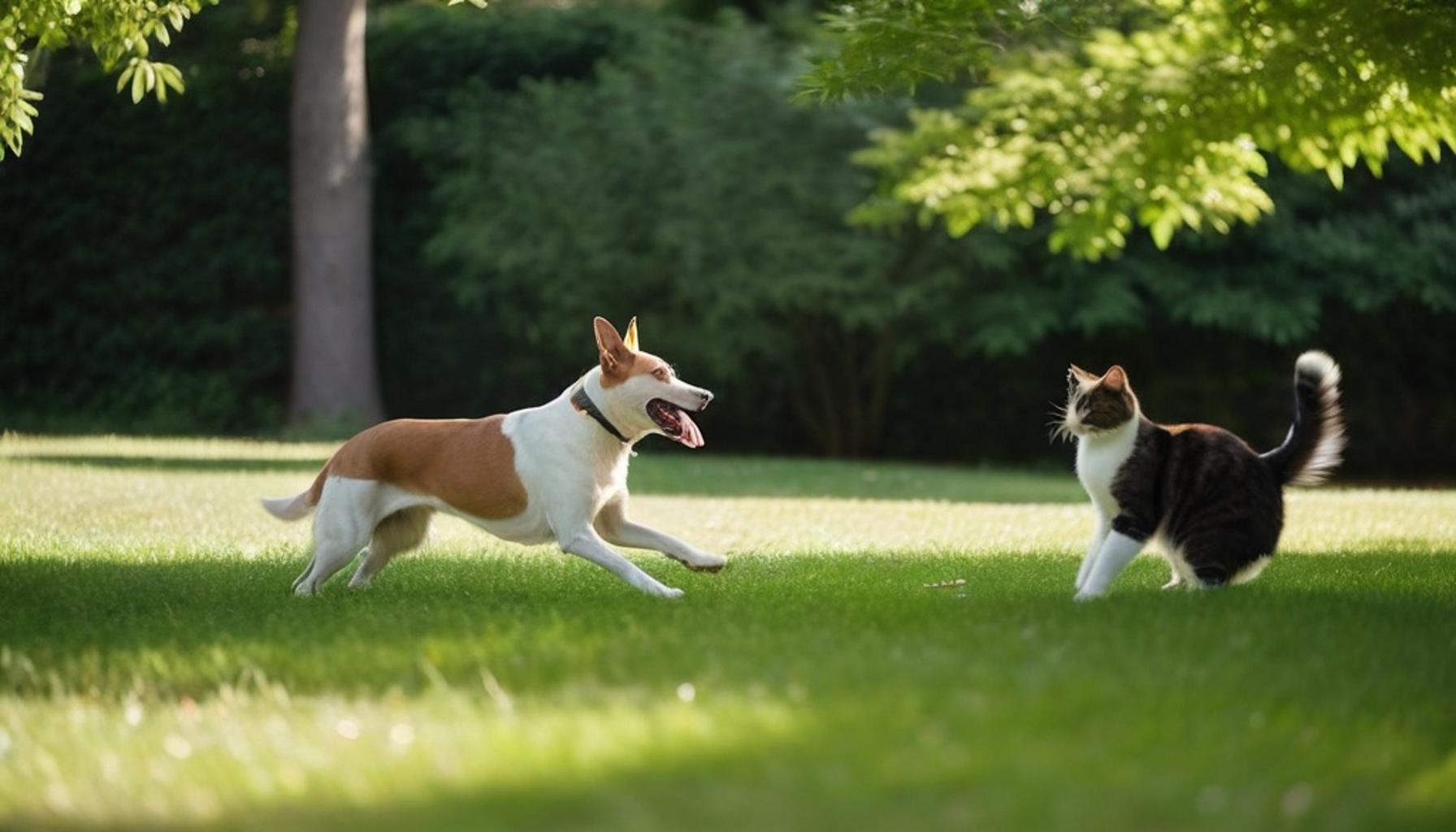
Why Your Pet’s Environment Shapes Its Behavior
Across Nigerian homes, from Lagos apartments to compounds in Abuja, more pet owners are discovering a simple truth: bored pets become problem pets. Environmental Enrichment for Dogs and Cats is emerging as a game-changing approach to curb destructive chewing, excessive barking, and unwanted scratching.
Studies suggest that dogs and cats confined to understimulating spaces are significantly more likely to develop anxiety-related behaviors. The good news? Small, intentional changes can transform your pet’s daily life.
The Science Behind Stimulating Pets at Home
Animals in the wild spend hours hunting, exploring, and problem-solving. Domesticated pets, however, often face long hours of idle confinement while owners work or attend to daily tasks. In many Nigerian households, pets are left alone for extended periods, sometimes locked indoors or tethered outside with little to occupy their minds.
This mismatch between natural instincts and modern living conditions frequently triggers:
- Destructive chewing on furniture and household items
- Excessive vocalization or attention-seeking behavior
- Compulsive scratching, particularly common among cats
- Weight gain linked to reduced physical activity
Veterinary behaviorists have long noted that a lack of mental stimulation can be just as harmful as a lack of physical exercise. Dogs that once roamed compounds freely now spend their days indoors, and cats that would naturally stalk prey are left with nothing but a food bowl and four walls. This shift, though gradual, has real consequences on temperament, health, and household harmony.
Interestingly, research from animal welfare organizations indicates that enrichment activities can reduce problematic behaviors by over 50 percent in some cases. This is not merely anecdotal; it reflects a growing body of evidence linking environmental stimulation to improved emotional regulation in domesticated animals.
What This Article Will Explore
This guide breaks down practical dog enrichment techniques and cat enrichment ideas tailored for Nigerian pet owners. You’ll discover affordable, locally accessible solutions that don’t require expensive imported products. Think recycled cardboard boxes, empty plastic bottles, and even old wrappers repurposed into stimulating toys.
From puzzle feeders using everyday containers to vertical climbing spaces for cats, we’ll cover strategies proven to support pet behavior modification. Expect actionable tips grounded in animal behavior research, not generic advice. We’ll also examine how Nigeria’s unique urban and rural pet-keeping cultures influence what enrichment methods work best, whether you’re raising a dog in a gated Lekki estate or a cat in a bustling Kano household.
Ready to turn your pet’s environment into a tool for positive pet behaviors? Let’s dive into what truly works, and why the smallest changes at home could make the biggest difference for your furry companion.
Building Blocks of Effective Environmental Enrichment for Dogs and Cats
Walk into any veterinary clinic in Port Harcourt or Ibadan, and you’ll likely hear a familiar complaint: “My dog keeps destroying everything” or “My cat won’t stop scratching the sofa.” What many pet owners don’t realize is that these issues often trace back to one root cause, an under-stimulated environment.
Environmental Enrichment for Dogs and Cats isn’t about buying every gadget on a pet store shelf. It’s about understanding categories of stimulation that mirror what animals would naturally encounter in the wild. Behaviorists typically break enrichment into distinct types, each targeting different senses and instincts.
The Five Core Categories of Pet Enrichment
Understanding these categories helps pet owners create balanced routines rather than randomly tossing toys into a room. Each type addresses a specific need:
- Sensory enrichment – engaging smell, sound, sight, and touch through new scents, textures, or sounds
- Physical enrichment – modifying space with climbing structures, tunnels, or obstacle courses
- Occupational enrichment – puzzle feeders and problem-solving tasks that mimic foraging
- Social enrichment – interaction with humans, other animals, or supervised playtime
- Nutritional enrichment – varying how and where food is presented, not just what is fed
Nigerian households often unintentionally provide social enrichment through large family structures, but frequently overlook occupational and sensory elements. A dog left with only a bowl and a leash walk misses out on critical mental engagement that shapes positive pet behaviors over time. Consider the average compound in Enugu or Kaduna where several children, relatives, and household staff pass through daily; the dog gets plenty of attention but almost no mental challenge. This imbalance often produces pets that are socially confident yet destructively bored, chewing furniture or digging up flowerbeds simply because their brains have nothing else to process.
Why Cats and Dogs Need Different Approaches
It’s tempting to assume enrichment works the same way for every pet, but cats and dogs have fundamentally different instinctual drives. Dogs are pack-oriented scavengers and problem-solvers, which is why dog enrichment techniques often emphasize scent work, food puzzles, and social play. A simple exercise, hiding pieces of kibble around the compound and encouraging the dog to sniff them out, taps into instincts that date back to their scavenging ancestors.
Cats, on the other hand, are solitary hunters wired for stalking, pouncing, and climbing. Effective cat enrichment ideas typically focus on vertical space, hidden food challenges, and interactive predatory play using feather wands or moving toys. Even repurposed cardboard boxes stacked at different heights can satisfy a cat’s need to survey its territory from above, a behavior rooted in how wild cats monitor prey and threats.
A 2019 study published in the Journal of Veterinary Behavior found that cats provided with vertical territory and hunting-simulation toys showed a marked decrease in inter-cat aggression and stress-related urination issues. This finding is particularly relevant for Nigerian homes where multiple cats often share compact indoor spaces, especially in urban apartments in Lagos or Abuja where outdoor access is limited and tension between resident cats can escalate quickly without proper outlets.
Recognizing these species-specific needs is the first step toward meaningful pet behavior modification. Owners who assume a single approach fits both cats and dogs often find their efforts falling flat, wondering why the same toy that thrilled the dog left the cat completely uninterested. In the sections ahead, we’ll break down exactly how to apply these principles using affordable, locally available materials, proving that stimulating pets at home doesn’t require a hefty budget or imported products, just a clearer understanding of what truly drives animal behavior.

Key Aspects of Environmental Enrichment for Dogs and Cats
Understanding Environmental Enrichment for Dogs and Cats starts with recognizing the core strategies that drive lasting behavioral change. The table below breaks down essential categories, from sensory stimulation to feeding puzzles, that shape positive pet behaviors at home. Each element plays a distinct role in reducing anxiety, curbing destructive habits, and encouraging natural instincts safely indoors.
| Category | Behavioral Impact |
|---|---|
| Sensory Stimulation | Reduces boredom-driven destruction using scent trails and textured toys |
| Feeding Puzzles | Slows eating pace and satisfies foraging instincts naturally |
| Vertical Territory | Cat shelving and perches lower feline stress markers significantly |
| Social Interaction | Structured play sessions improve pet behavior modification outcomes |
| Rotating Novelty | Introducing new objects weekly sustains curiosity and mental engagement |
These dog enrichment techniques and cat enrichment ideas extend beyond simple entertainment. Veterinary behaviorists note that stimulating pets at home consistently correlates with fewer reported cases of aggression, excessive vocalization, and compulsive grooming, opening the door to deeper exploration of each category’s practical application.
SEE ALSO: The Relationship between Preventive Health and Behavioral Management in Pets
# Practical DIY Enrichment Techniques Using Everyday Nigerian Household ItemsTheory only goes so far when a dog is chewing through a doorframe or a cat is knocking flower pots off the balcony at 3 a.m. What pet owners in Nigeria need are concrete, low-cost solutions that fit into daily life, whether in a Yaba flat or a compound in Jos.
Turning Kitchen Scraps into Occupational Enrichment
Empty plastic bottles, old socks, and cardboard egg trays are goldmines for dog enrichment techniques. Cut small holes into a plastic bottle, drop in dry kibble, and watch a dog spend twenty minutes working out how to release each piece. This single activity replicates foraging behavior far more effectively than a standard food bowl.For cats, an empty toilet paper roll folded at both ends and filled with a few pellets of dry food creates an instant puzzle feeder. Veterinary behaviorists note that cats fed exclusively from bowls tend to eat faster and show more begging behavior than those who “hunt” for a portion of their meals. Rotating three or four homemade feeders throughout the week prevents the predictability that leads to boredom.
Sensory Stations That Cost Almost Nothing
Sensory enrichment does not require imported products. A basin of dry leaves, sand, or even shredded newspaper placed in a safe outdoor corner gives dogs a legitimate digging zone, redirecting a natural instinct away from flowerbeds. Scent trails made by dragging a piece of suya bone wrapper along the ground before hiding it activates a dog’s tracking instincts and can occupy them for extended periods.Cats respond strongly to novel scents too. Catnip, valerian root, or even a small pouch of dried grass introduced once or twice weekly keeps sensory pathways engaged. Rotating scents rather than leaving one permanently available prevents habituation, where the stimulus stops producing a response.
Vertical and Physical Spaces on a Budget
Stacked wooden crates, secured shelving, or repurposed study tables create climbing routes for cats without spending on imported cat trees. The goal is height variation, since cats naturally seek elevated vantage points to reduce stress and observe their surroundings.For dogs, obstacle courses built from tyres, wooden planks, and low hurdles provide physical enrichment that channels excess energy productively. Twenty minutes of structured obstacle navigation can noticeably reduce evening restlessness, a common complaint among owners of active breeds like Caucasian Shepherds or Boerboels, both increasingly popular guard dogs across Nigerian estates.
Consistency Matters More Than Cost
The biggest mistake owners make is treating enrichment as a one-time purchase rather than an ongoing practice. Pet behavior modification only sticks when novelty is refreshed regularly, even simple changes like relocating a scratching post or swapping toy positions weekly maintain engagement.Practical steps worth adopting immediately include:
- Rotating two or three DIY puzzle feeders instead of relying on one permanent toy
- Designating a specific digging or scratching zone before problem behaviors start
- Introducing one new scent or texture weekly to sustain curiosity
- Scheduling short, structured play sessions rather than unstructured free time alone
These small, consistent adjustments demonstrate that stimulating pets at home is less about spending money and more about understanding rhythm, novelty, and instinct, principles any household across Nigeria can apply starting today.
RECOMMENDED: Nutritional Care as a Tool for Prevention and Behavioral Management in Dogs and Cats
Rethinking How Nigerian Households Approach Pet Wellbeing
The evidence gathered throughout this discussion points to one clear conclusion: Environmental Enrichment for Dogs and Cats is not a luxury reserved for imported gadgets or expensive training programs. It is a mindset shift that any household, from a bustling Lagos estate to a quiet compound in Enugu, can adopt using what is already lying around the house.
Destructive chewing, excessive meowing, midnight zoomies, and territorial marking are rarely signs of a “bad” pet. More often, they signal an animal whose brain and instincts are not being sufficiently challenged. Addressing that gap through dog enrichment techniques and cat enrichment ideas consistently produces calmer, more predictable companions.
What separates success from frustration is consistency, not cost. Rotating puzzle feeders, introducing new scents weekly, and creating designated digging or scratching zones all reinforce positive pet behaviors over time, rather than offering a quick fix that fades within days.
Pet owners should also resist comparing their enrichment efforts to what they see online from other countries. Nigerian households have unique advantages, extended outdoor spaces, warm climates allowing year-round outdoor play, and access to affordable raw materials for DIY projects that many pet owners abroad simply do not have.
Looking ahead, as more Nigerian veterinary clinics and animal behaviorists begin publishing localized data on cat and dog behavior, owners will have even stronger tools for tailoring pet behavior modification strategies to specific breeds and household conditions.
Until then, the practical steps outlined here offer a solid starting point. Stimulating pets at home does not require a shopping trip, it requires observation, patience, and a willingness to experiment with what already works for the animal in front of you.
Frequently Asked Questions
What are affordable environmental enrichment ideas for dogs and cats in Nigeria?
You can use household items like empty water bottles, cardboard boxes, and old towels to make DIY puzzle feeders and hideouts. Local materials such as woven baskets, calabashes, and sisal rope are great for scratching posts or chew toys. Rotating a few homemade toys weekly keeps costs low while still stimulating your pet’s mind.
How does environmental enrichment help reduce destructive behavior in Nigerian homes?
Bored dogs and cats often chew furniture, dig up gardens, or scratch walls because they lack mental and physical stimulation. Providing enrichment like interactive toys, climbing shelves, or scent trails redirects this energy into acceptable outlets. This is especially useful in urban Nigerian apartments where outdoor space is limited.
Can indoor cats in Lagos apartments benefit from vertical enrichment like cat trees?
Yes, vertical spaces such as cat trees, window perches, or repurposed shelves give indoor cats a sense of territory and safety, which is important in small Lagos apartments. Climbing and perching also satisfy a cat’s natural instinct to observe from height, reducing stress and boredom. You can build simple versions using local wood and rope to save money.
What enrichment activities work best for guard dogs kept outdoors in Nigerian compounds?
Outdoor guard dogs benefit from scent-based games, buried treat hunts, and durable chew toys that withstand rough play. Adding shaded digging pits or sandboxes gives them an appropriate place to dig instead of damaging the compound. Regular short training sessions also strengthen their focus and reduce excessive barking from boredom.
How can I use food puzzles for dogs and cats given typical Nigerian pet diets?
You can hide portions of dry kibble, boiled chicken pieces, or local pet-safe treats inside puzzle feeders or muffin trays to slow down eating and encourage problem-solving. Simple DIY options like plastic bottles with holes work well for dogs, while cats enjoy treat balls rolled across the floor. This method also helps manage weight in pets fed calorie-dense local diets.
Are there specific enrichment strategies for pets left alone during long work hours in Nigeria?
For pets left alone, setting up automatic or slow-feeder toys, leaving safe chew items, and playing calming sounds can reduce anxiety and boredom. Rotating toys before leaving and after returning keeps novelty high without extra cost. If possible, hiring a neighbor or pet sitter for a short midday walk or play session also helps prevent destructive behavior.

Linda Carter
Linda Carter is a writer and pet care expert specializing in pet health, grooming, and wellness. With extensive experience helping pet owners create safe, loving, and enriching environments for their animals, Linda shares her knowledge on our platform. Her goal is to empower readers with practical advice and strategies to ensure their pets thrive and lead joyful, healthy lives.