Zen Spaces: Creating Environments of Calm and Concentration through Optimization

Finding Peace in a Chaotic World
In today’s fast-paced society, creating Zen spaces has become essential for achieving focus and tranquility. With constant distractions and the pressure to perform, the need for environments conducive to calm and concentration is more crucial than ever. Zen spaces are not only about physical comfort; they play a significant role in promoting mental clarity and emotional balance, urging individuals to explore their inner selves amidst the clamor of daily life.
Key Elements of a Zen Space
When optimizing your surroundings for peace, consider the following elements:
- Natural Light: Embrace daylight to enhance mood and clarity. Research indicates that exposure to natural light can regulate our circadian rhythms, leading to better sleep patterns and heightened alertness during waking hours. Big windows or translucent blinds can bring the outdoors in, creating a more refreshing environment.
- Silence or Soothing Sounds: Minimize noise to foster an environment for deep thinking. Consider noise-canceling headphones or soundscapes that include gentle rainfall or birdsong, which can help drown out distractions and promote a meditative atmosphere.
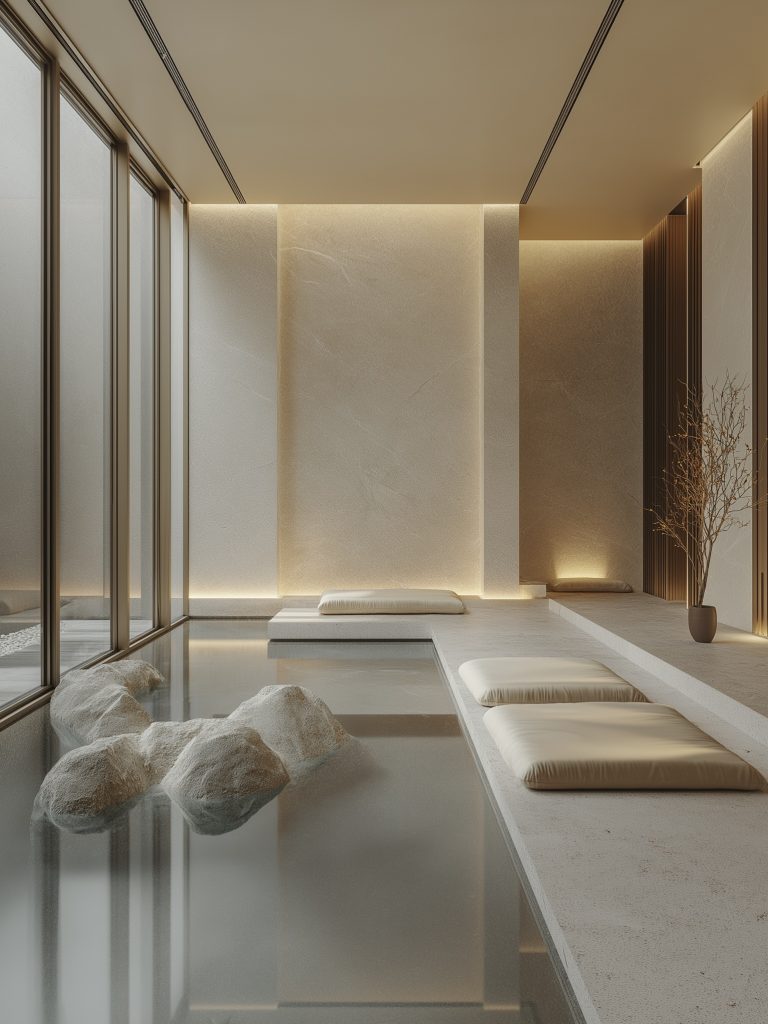
- Minimalist Decor: Use fewer items to create a less cluttered and more serene atmosphere. A space filled with unnecessary items can lead to visual noise that distracts the mind. Opting for a few meaningful pieces, like a sculpture or artwork that resonates with you, can imbue your environment with personality while maintaining simplicity.
- Plants and Nature: Integrate greenery to improve air quality and well-being. Studies suggest that the presence of plants can reduce stress and enhance productivity. For instance, adding a snake plant or peace lily is not only aesthetically pleasing but also supports air purification.
By implementing these features, you can transform your workspace or home into a sanctuary. The intentional arrangement of furniture to promote flow and relaxation is equally important; however, it doesn’t stop there. Incorporating mindfulness practices such as meditation sessions or gentle yoga stretches throughout your day will help in cementing these spaces as centers for focus.
Explore Further
As you delve into the concept of Zen spaces, consider how these environments can influence productivity and mental health. For example, companies like Google and Apple have successfully designed their workspaces to maximize creativity and employee satisfaction by integrating principles of Zen living. The benefits extend beyond mere aesthetics; a thoughtfully designed space can serve as a catalyst for creativity and efficiency, allowing for a more inspired workforce and ultimately leading to enhanced outputs.
In a world increasingly filled with digital distractions, taking the time to create and maintain a Zen space can lead to improved overall well-being. Whether you’re a student needing a peaceful study nook or a professional striving for concentration at work, nurturing your environment is crucial for personal and professional growth.
DISCOVER MORE: Click here to unlock powerful strategies
The Art of Designing a Calm Retreat
To truly harness the power of Zen spaces, one must become intentional about the design elements that create a sanctuary for the mind. An effective Zen space transcends mere aesthetics; it’s about crafting an environment that actively promotes serenity and focus. Here are several strategies to embrace when designing your own calming retreat:
- Color Psychology: The color palette of your Zen space can significantly influence your mood and productivity. Soft, muted colors like blues and greens are known to have calming effects, while warm earth tones can foster feelings of stability and comfort. Consider choosing shades that resonate with your personal sense of tranquility, whether through wall paint, furniture, or decorative accents.
- Comfortable Furnishings: Ergonomic and comfortable furniture is key to creating a Zen space. A chair that supports proper posture or a cushy floor cushion for sitting can make a world of difference. Spaces intended for relaxation might incorporate bean bags or chaise lounges, which encourage unwinding and disengaging from stress.
- Aromatherapy: Scent can profoundly impact our emotional well-being. Essential oils such as lavender, chamomile, or sandalwood can promote relaxation when diffused in the air. Incorporating scented candles or incense is another effective way to enhance the ambiance, creating an olfactory haven that contributes to your overall Zen experience.
- Personal Touches: Infuse your Zen space with items that bring joy and inspiration. Personal touches, such as photographs, quotes, or mementos, can evoke positive feelings and create a sense of belonging. However, it’s critical to maintain a balance—too much sentiment can clutter the space and detract from its calming energy.
- Flexible Spaces: Design your Zen area to adapt to different activities. A corner that serves as a reading nook can transform into a meditation area with the addition of a cushion or mat. The ability to shift how you use the space encourages versatility and promotes continuous engagement with your calming environment.
These foundational elements work in unison to create a well-rounded environment that nurtures both the body and mind. Furthermore, the connections we have with our surroundings can not only affect our emotional states but also impact how we engage in daily tasks. As the boundaries between work and home life blur, having a designated Zen space can offer a valuable retreat.
Beyond the Physical: The Impact of Mindfulness
While optimizing your physical surroundings is vital, integrating mindfulness practices can elevate your Zen space even further. Techniques such as deep breathing exercises, meditation, and light stretching can ground you in the present moment. By fostering this connection between mind and space, you create not just an area of relaxation, but a holistic environment that supports mental health and cognitive flow.
As you explore these various elements, cultivating your Zen space becomes a rewarding journey. It can be a personal exploration of what truly enhances your sense of calm and focus, guiding you to design an environment that reflects your values and lifestyle.
Creating a “Zen Space” involves more than simply decluttering a room. It’s about crafting an environment that fosters peace, clarity, and focus. Below, we’ll explore key elements to consider when establishing a calming atmosphere in both personal and professional settings.
1. Color Psychology
The colors in your environment can significantly impact your mood and productivity. Soft, muted tones like greens, blues, and earthy neutrals are often associated with tranquility and can stimulate calmness. Implementing these colors on walls or through artwork can help you create a serene backdrop conducive to concentration.
2. Natural Elements
Incorporating natural elements—or biophilic design—into your space can greatly enhance feelings of calm. Consider adding plants that purify the air, using natural wood finishes, or allowing natural light to enter the room. These features not only promote a peaceful atmosphere but also boost productivity and creativity.
3. Sound Management
Background noise can be a significant distraction. To combat this, consider using soundproofing materials, such as heavy curtains or acoustic panels, to minimize unwanted sounds. Alternatively, introduce calming background noise like gentle music or white noise machines that create an ambient soundscape aimed at enhancing focus.
4. Minimalism
The principle of minimalism aligns perfectly with the zen philosophy. Embrace simplicity by limiting decoration and keeping only items that have meaning or serve a purpose. This approach reduces mental clutter, making it easier to concentrate on tasks at hand.
5. Personalized Spaces
While general principles guide the creation of zen spaces, personalization adds a significant layer of comfort. Designate areas for specific tasks, like reading, meditating, or working. Whether it’s a comfortable chair or desk with personal mementos, creating zones within your space reinforces focus and relaxation.Through careful attention to these aspects, anyone can optimize their environment to support mental well-being and enhanced productivity, embodying the essence of “Zen Spaces”. With the right elements in place, you’ll find it easier to maintain that balance of calm and concentration throughout your daily activities, uniquely tailored to your needs.
Discover more: Click here to learn how to choose possessions that reflect your values
Integrating Nature: The Biophilic Approach
In an era where urban living often disconnects us from the natural world, integrating elements of nature into your Zen space can amplify the sense of tranquility and focus. The concept of biophilic design embraces the innate human affinity for nature and emphasizes incorporating natural elements to improve well-being. Below are some practical applications of biophilic principles:
- Natural Light: Maximizing natural light can significantly boost mood and productivity. Consider placing your Zen space near a window to allow sunlight to flood in, energizing the space with warmth. If direct light is limited, think about using mirrors to reflect light and improve brightness. Natural lighting not only enhances visibility but also connects you more closely to the changing rhythms of the day.
- Indoor Plants: Introducing greenery into your Zen environment not only purifies the air but also brings a sense of calm and serenity. Plants like peace lilies, snake plants, and succulents are low-maintenance options that can thrive indoors. Studies suggest that having plants around can reduce stress and increase overall feelings of happiness—a perfect complement to a Zen space.
- Nature-Inspired Textures: Incorporating natural materials such as wood, stone, and textiles can evoke an organic feel within your Zen space. A wooden desk, a stone sculpture, or linen curtains can instantly elevate the atmosphere and create a tactile connection to the earth. These textures can promote a sense of grounding and relaxation.
- Water Features: The gentle sound of flowing water can be incredibly soothing. If space allows, consider adding a small tabletop fountain, a fish tank, or even a simple bowl of water with floating candles. The visual and auditory elements of water can create a calming focal point that encourages mindfulness and reflection.
Soundscapes: The Power of Audio Atmosphere
In addition to optimizing visual aspects, sound plays a critical role in cultivating a Zen environment. A carefully curated soundscape can enhance focus or relaxation, depending on your needs. Here are a few sound-based strategies:
- Natural Sounds: Incorporate sounds of nature such as birdsong, chirping crickets, or rustling leaves through ambient sound machines or playlists. These sounds can reduce stress and improve cognitive engagement, creating a sonic backdrop that promotes focus.
- Mindful Music: Soft, instrumental music can serve as a subtle companion in your Zen space. Look for playlists crafted specifically for meditation or concentration, often featuring smooth piano melodies or gentle acoustic guitar tunes that create a calming atmosphere.
- Silent Retreats: Sometimes the absence of sound can be equally powerful. Embracing silence within your Zen space allows you to attune your senses and fully engage with your inner thoughts, contributing to a deeper mindfulness experience.
By focusing on both natural elements and soundscapes, you can significantly enhance the calming effectiveness of your Zen space. As you thoughtfully bring together these diverse aspects of design, remember that the ultimate goal is to create a sanctuary that resonates with your own needs and preferences. A carefully curated environment can help center your mind, foster creativity, and provide a much-needed retreat from the chaos of daily life.
DISCOVER MORE: Click here to uncover the benefits of simplified living
Conclusion: Embracing Tranquility through Zen Spaces
Creating Zen spaces is an art form that combines the principles of design, nature, and sound to foster environments of calm and concentration. By thoughtfully integrating elements such as natural light, indoor plants, and soothing audio landscapes, individuals can craft personalized sanctuaries that nurture both the mind and body. The biophilic approach serves as a crucial foundation, helping us reconnect with nature even in an urban setting, while soundscapes enhance our ability to focus and reflect.
As we navigate our increasingly hectic lives, the importance of cultivating spaces that promote well-being cannot be overstated. Studies continue to show that the right environmental stimuli can enhance productivity and reduce stress, making the case for investing time and resources in creating a dedicated Zen space. Whether through the gentle flow of water features or the tactile warmth of natural materials, every choice can contribute significantly to an experience that resonates deeply within.
Ultimately, the journey towards establishing a Zen space is a personal one, reflecting individual tastes and needs. As you embark on this endeavor, consider how each element you introduce enhances tranquility and concentration. Strive to create an oasis of calm that not only alleviates the chaos of daily life but fosters a profound connection to your inner self. In doing so, you will cultivate an environment that promotes mindfulness, creativity, and a deeper appreciation for the moments of stillness, enriching your daily experience.