
How to Create a Minimalist Calendar: Tools and Tips for Organizing Your Time

The Power of a Minimalist Calendar
In today’s fast-paced society, where notifications and distractions vie for our attention, a minimalist calendar provides a compelling alternative for individuals striving to improve their focus and organization. By embracing minimalism, you can revolutionize your time management strategies, emphasizing the importance of prioritizing what truly matters in both your professional and personal life. Instead of feeling overwhelmed by endless appointments and commitments, a minimalist approach enables you to streamline your schedule, thereby enhancing productivity and fostering a sense of clarity.
Getting Started: Tools and Tips
If you are curious about crafting your own minimalist calendar, there are a variety of essential tools and techniques to consider:
- Digital Tools: Applications such as Trello, Google Calendar, and Notion serve as excellent platforms to consolidate your tasks and commitments in a clutter-free space. These apps allow you to create separate lists, set deadlines, and engage in collaborative planning, all while maintaining a simplified agenda.
- Physical Calendars: For those who prefer a hands-on approach, utilizing a straightforward wall planner or a bullet journal can foster a tangible connection to your organizational efforts. These formats allow you to visually map out your days while using creative elements, such as color-coding and doodles, to keep motivation high.
- Simplified Design: Opt for a calendar layout that focuses solely on essential tasks, avoiding unnecessary details that can lead to confusion. A clean design, which highlights only the most important appointments and deadlines, promotes better adherence to your schedule.
Analyzing Your Time Management Needs
Understanding your personal time management requirements is essential for successful planning. Begin by identifying patterns in your daily routine, pinpointing when you feel most productive, as well as those times when distractions tend to creep in. This insight allows you to strategically align your tasks with periods of heightened focus. For instance, if you recognize that you are most alert in the mornings, scheduling high-priority tasks during those hours can lead to more effective outcomes.
Beyond merely reducing entries on your calendar, minimalism is about enhancing the overall effectiveness of your time management system. By applying these simple yet impactful principles, you can cultivate an environment that nurtures both your personal and professional growth, ultimately leading to a fulfilling and well-organized life.
Embracing Change
Transitioning to a minimalist calendar may require patience and experimentation. It’s essential to assess and adjust your approach continually. Observe which elements of your calendar work well and which do not. As you refine your strategies, you may find that your productivity increases and stress decreases, allowing you to engage more deeply with your work and personal relationships.
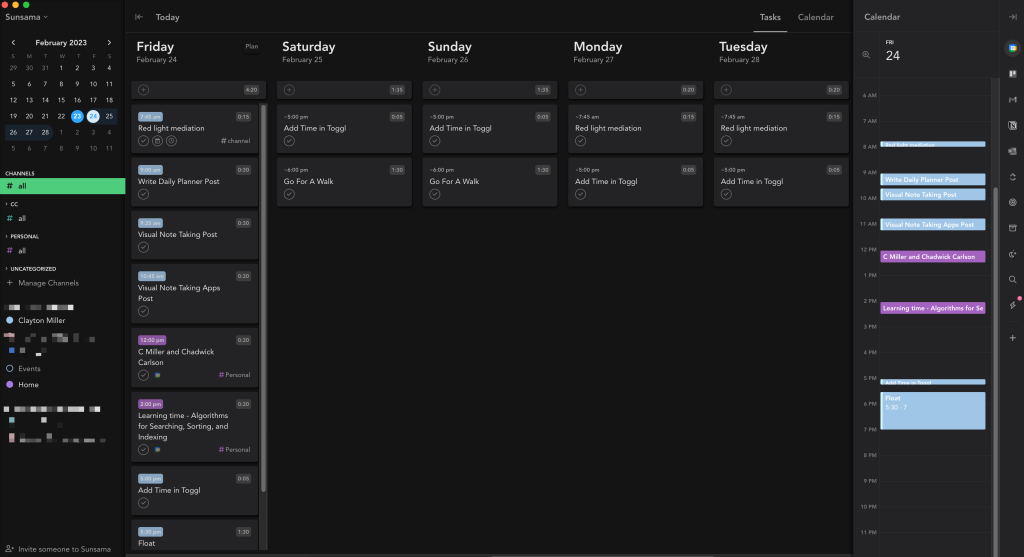
In a world filled with distractions, the journey toward a minimalist calendar is not just about reducing noise but also about fostering a structured pathway to achieving your goals. As more individuals seek to enhance their focus, the adoption of minimalist strategies is poised to reshape how we conceptualize time management. Discover the difference today, and empower yourself to embrace a more organized, intentional life.
DISCOVER MORE: Click here to transform your space
Tools for Crafting Your Minimalist Calendar
Creating an effective minimalist calendar begins with selecting the right tools that resonate with your personal style and organizational needs. Whether you opt for digital tools or physical formats, your choice should align with your commitment to maintaining simplicity and focus. Here’s a breakdown of various tools that can assist you in establishing a clutter-free calendar:
- Digital Tools: Embrace technology through applications that facilitate ease of use and integration. Programs like Google Calendar provide a user-friendly interface, enabling you to set reminders and track appointments seamlessly. Trello offers a board-based structure where you can manage tasks visually, helping to identify priorities at a glance. For those seeking customization, Notion allows you to develop an all-in-one workspace that combines notes, projects, and calendars—all with a minimalist touch.
- Physical Calendars: For tactile learners, using a simple wall planner or engaging in bullet journaling may yield substantial benefits. A wall planner provides a clear overview of your month at a glance, while a bullet journal allows for flexibility in layout, enabling you to tailor your planning to your evolving needs while employing creative elements that resonate with you.
- Simplified Design: No matter the tool, it is crucial to adopt a design that prioritizes clarity. Choose layouts that focus on noteworthy events rather than overwhelming details. For example, use large blocks for important deadlines and simple abbreviations for minor tasks. This approach ensures that your minimalist calendar remains functional without causing anxiety or confusion.
Understanding Your Unique Time Management Style
To effectively implement a minimalist calendar, it’s vital to comprehend your personal time management style. Take some time to assess your daily patterns and identify moments of peak productivity. Are there specific hours during which your focus is sharper, or do certain days of the week lend themselves better to creativity? Recognizing these patterns allows you to allocate your time more strategically, ensuring that your most significant tasks align with your high-energy periods. For instance, if mornings are your prime time for concentration, prioritize challenging projects during those hours.
Moreover, take note of distractions that hinder your efficiency. Understanding when and why they occur can help you build resilience and find ways to minimize interruptions. This self-awareness empowers you to adjust your schedule to create a more conducive work environment and fosters a deliberate and purposeful approach to your daily tasks.
As you evolve in your journey toward minimalism, remember that the objective is not merely about decluttering your calendar but enhancing its effectiveness. By nurturing an understanding of your time management needs, you create a system that works for you and enables you to stay focused on what truly matters in your life.
The Journey of Implementation
Transitioning into a minimalist calendar requires more than just selecting tools; it’s a commitment to a new way of managing your time. You may need to adjust your methods and processes as you experiment with different tools and techniques. Keep an eye on which strategies promote clarity and functionality, and be prepared to let go of those that do not serve your goals. Through this journey, your time management system will evolve, empowering you to engage deeply in both your personal and professional endeavors.
Essential Tools for a Minimalist Calendar
Creating a minimalist calendar is not just about having a clean design; it’s also about utilizing the right tools to enhance your productivity. Here are several tools and applications that can significantly streamline your planning efforts.
- Digital Calendar Apps: Tools like Google Calendar and Apple Calendar enable you to create easily accessible and shareable calendars. They support reminders, events, and color coding, making organization intuitive and efficient.
- Template-Based Planning: Using minimalist templates available on platforms like Canva or Microsoft Word gives you a customizable way to keep track of your commitments. This allows for visual clarity while maintaining simplicity.
- Task Management Software: Applications such as Todoist or Trello integrate seamlessly with your calendar, allowing you to track tasks alongside appointments, which fosters a holistic view of your responsibilities.
- Physical Planning Tools: For those who prefer tactile engagement, minimalist planners or bullet journals can transform your scheduling into an artful expression of your daily life. Writing by hand can enhance retention and creativity.
Tips for Effective Minimalist Calendar Management
Implementing a minimalist calendar requires intentional strategies to maximize its effectiveness. Here are some tips that can help you manage your time better.
- Limit Your Entries: Focus on essential appointments and deadlines only. This eases visual clutter and helps prioritize what truly matters.
- Routine Check-ins: Dedicate a short time each week to review your calendar. This regular practice ensures you stay aligned with your goals and can adapt as needed.
- Use Time Blocks: Allocate specific periods for tasks or projects. This method not only simplifies your schedule but also reduces distractions and boosts focus during those blocks.
- Be Flexible: Allow yourself the freedom to adjust your calendar as routines change. Embracing flexibility maintains your calendar’s relevance in your personal organization.
Creating a Balance Between Work and Life
A minimalist calendar is particularly effective in achieving a balance between personal and professional commitments. By prioritizing essential tasks and scheduling downtime, you can enhance your productivity while also ensuring you have time for relaxation and personal activities. Remember, the goal is to create a system that works for you, offering clarity and efficiency without overwhelming you with details.
| Category | Benefits |
|---|---|
| Increased Focus | Minimizing distractions leads to higher concentration levels during work periods. |
| Enhanced Simplicity | Streamlined tasks help in reducing overwhelm and foster better decision-making. |
DISCOVER MORE: Click here for minimalist optimization strategies
Strategies for Effective Implementation
After establishing the tools and understanding your unique time management style, the next step is to develop strategies for effective implementation of your minimalist calendar. This phase is critical in ensuring that your efforts lead to a more organized life, fostering productivity without the clutter often found in traditional scheduling methods. Here are several strategies to put your plan into action:
- Prioritize Tasks: In a minimalist calendar, less is often more. Begin by ranking your tasks based on urgency and importance. The Eisenhower Matrix, which divides tasks into four categories—urgent and important, important but not urgent, urgent but not important, and neither—can be particularly useful. This allows you to focus on what truly matters, reserving space in your calendar for high-impact activities.
- Set Realistic Goals: Establish attainable goals to avoid overwhelming yourself. Break down larger projects into smaller, manageable tasks and schedule them incrementally. For example, if you’re working on a report due in two weeks, allocate time slots to brainstorm, research, and draft, giving yourself grace to adjust as necessary.
- Embrace Time Blocking: Time blocking is a technique that allocates specific time slots for each task within your calendar. By dedicating entirely focused moments to distinct activities, you reduce the likelihood of distractions. The Pomodoro Technique—working in 25-minute bursts followed by short breaks—can easily complement time blocking, further enhancing your focus.
- Review and Reflect: Regularly revisiting your minimalist calendar is essential. Weekly or even daily reviews of your scheduled tasks and accomplished goals helps reinforce progress and make necessary adjustments. This practice not only keeps you aligned with your priorities but also allows for flexibility in response to any unforeseen changes in your schedule.
- Limit Recurrent Tasks: A minimalist approach values simplicity. Be judicious with habitual entries in your calendar. Instead of scheduling repetitive tasks, consider batching similar activities into a single block of time. For instance, set aside a weekly time slot for administrative duties like email responses or project updates, freeing you from the need to allocate time for those tasks daily.
Integrating Mindfulness into Your Planning
Another compelling aspect of creating a minimalist calendar is incorporating mindfulness into your planning process. Mindfulness can enhance not only the way you manage your calendar but also how you approach your everyday tasks. Taking the time to reflect before scheduling can help ensure that each entry aligns with your values and long-term goals.
Begin by asking yourself why a particular task is essential for you. Does it contribute to your overall well-being or personal development? By filtering your tasks through this lens, you can significantly minimize the noise and distractions that so often clutter our lives. Matching your calendar entries to your priorities fosters a sense of purpose and intention in how you spend your time.
Incorporating mindfulness can also help prevent burnout. Treat your calendar as a guide, not a strict taskmaster. Allow yourself space for downtime and self-care—elements that are crucial for sustainable productivity. Consider adding “me time” to your calendar, whether it’s a few quiet moments with a book or a leisurely walk, as these breaks can refresh your mind and elevate creativity.
Explosion of Color and Simplicity
Lastly, while the essence of a minimalist calendar is simplicity, this doesn’t mean it should be colorless. Utilize a system of colors to signify different types of activities—work, personal commitments, and self-care—while avoiding overwhelming design. This visually engaging yet uncluttered approach can enhance both readability and motivation, making your calendar not just a tool, but a source of inspiration.
Ultimately, cultivating a minimalist calendar is a transformative journey. The right strategies, paired with a thoughtful approach, can lead to a more intentional use of your time, helping you achieve your goals while appreciating the beauty of simplicity.
DISCOVER MORE: Click here for expert tips
Conclusion
In a world brimming with distractions and competing demands, the ability to create a minimalist calendar can transform how you manage your time. By integrating the right tools and methods, such as task prioritization, realistic goal-setting, and time blocking, you can sculpt a calendar that not only reflects your values but also enhances your productivity. Embracing mindfulness in your scheduling process allows you to align daily tasks with your overarching life goals, promoting a sense of purpose and clarity.
Moreover, incorporating visual elements like color coding can make your calendar not just functional but also an inspiring visual aid. This approach not only improves readability but also serves as a motivating reminder of your commitments and self-care. As you navigate this path, remember that the minimalist philosophy emphasizes quality over quantity; focusing on essential tasks can lead to more meaningful accomplishments.
Finally, regularly reviewing your planner ensures that you stay adaptable and responsive to life’s changes. By committing to a minimalist calendar, you are not only organizing your time but also cultivating a lifestyle that prioritizes what truly matters. Explore this innovative way of time management; as you simplify your scheduling, you’ll likely find a deeper connection with your goals and a greater appreciation for each moment of your day. For further insights, consider exploring minimalist practices in other areas of life for a holistic approach to simplicity and intentionality.