The Role of Music in Early Childhood Education: How Musical Activities Can Stimulate Children’s Cognitive and Social Development
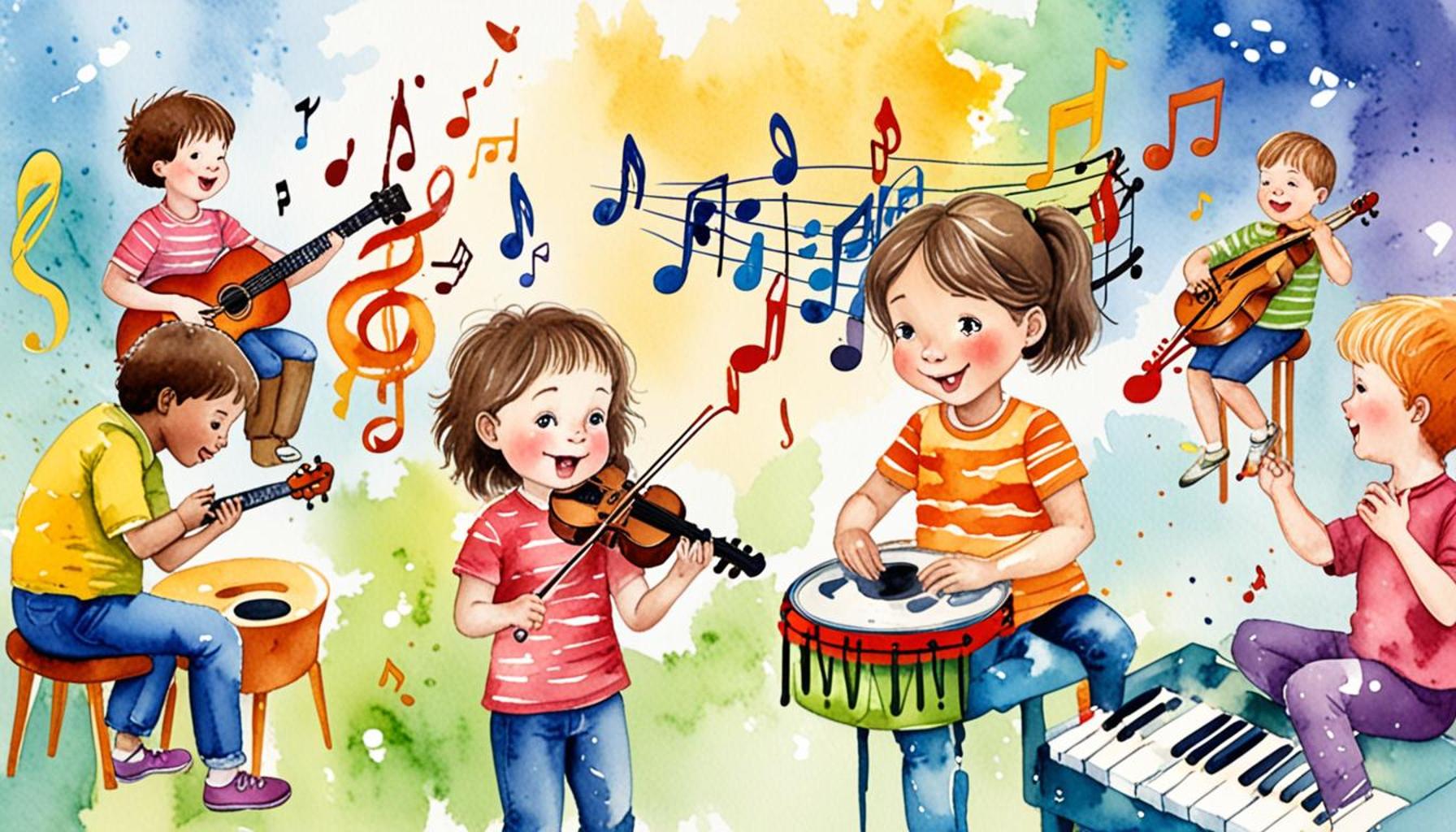
The Impact of Music in Early Education
In the vibrant world of early childhood education, music plays a pivotal role in shaping young minds. From catchy nursery rhymes to interactive melodies, these musical activities create a rich environment that fosters not just cognitive, but also social and emotional development. Research has consistently shown that integrating music into educational settings not only enhances learning but also builds vital skills in children, making it a crucial component of effective teaching methodologies.
One of the primary benefits of musical activities in early education is the enhanced cognitive skills they promote. Engaging with music involves memory recall, pattern recognition, and even language development. For instance, children who participate in music-based learning can demonstrate improved memory capacity and better language skills, as evidenced by studies conducted at universities across the United States. These experiences encourage children to listen closely, follow directions, and recall lyrics, which are essential skills for their academic journey.
Furthermore, social development is significantly influenced by musical interactions. When children sing together or participate in group activities involving music, they learn the importance of teamwork and communication. These moments help reinforce social bonds and foster a sense of belonging. For example, children who partake in choir or group music classes often demonstrate improved interpersonal skills as they work together toward a common goal, enhancing their ability to collaborate with peers in various settings.
Music also serves as an incredible avenue for emotional expression. It provides a channel for children to convey their feelings and understand complex emotions. For instance, through music, children can express joy, sadness, or even frustration in a constructive manner. Activities such as improvisational music sessions encourage them to tap into their emotions, paving the way for enhanced emotional literacy and resilience.
As educators and caregivers increasingly recognize the significance of music, they are discovering various musical activities that are particularly suitable for young learners. These may include:
- Sing-alongs and group songs that not only boost participation but also cultivate a sense of community and shared experience.
- Rhythm exercises that enhance motor skills and coordination. Activities like clapping, tapping, and using instruments like drums can significantly develop children’s gross and fine motor skills.
- Musical games that inspire creativity and improvisation, allowing children to explore their artistic abilities while developing critical thinking skills.
Incorporating these musical elements into daily routines makes learning enjoyable and contributes to a child’s holistic development. Beyond mere entertainment, music nurtures the mind, body, and spirit, encouraging a well-rounded educational experience. As we delve deeper into the influence of music on learning, it is crucial to explore how these activities can unlock a child’s full potential, setting a strong foundation for lifelong success in both education and beyond.
DISCOVER MORE: Click here to unlock your creativity
Unleashing Cognitive Potential Through Music
The role of music in early childhood education extends far beyond mere entertainment; it is a powerful, multifaceted tool that can significantly enhance various aspects of a child’s development. One of the most compelling areas where music exerts its influence is in cognitive development. Engaging in musical activities stimulates different areas of the brain that are essential for critical thinking, problem-solving, and overall learning. For example, children exposed to music often exhibit improved memory retention, which is vital for academic success. The act of memorizing lyrics not only enriches vocabulary but also reinforces linguistic structures, ultimately leading to greater language proficiency.
Research indicates that incorporating music in the classroom can yield substantial benefits. According to a study by the University of Southern California, preschool children who participated in musical activities scored significantly higher on spatial-temporal reasoning assessments compared to those who did not engage in music. Spatial-temporal reasoning is crucial for subjects such as mathematics and science, suggesting that early exposure to music not only aids cognitive capabilities but also sets a solid foundation for future academic pursuits.
Musical Instruments and Learning
Furthermore, when children engage with instruments, whether through structured lessons or playful exploration, they cultivate not only musical skills but also essential cognitive abilities. Playing instruments requires coordination, focus, and the ability to follow patterns. These activities enhance children’s motor skills, which, in turn, influences their ability to engage in other academic and social activities. Instruments like xylophones and shakers introduce children to the concept of cause and effect, as they learn that different strikes yield different sounds, reinforcing cognitive skills associated with experimentation and exploration.
The Role of Rhythm in Learning
Additionally, rhythm exercises have a profound impact on brain function. These activities can help improve auditory discrimination—the ability to differentiate between sounds—which is crucial for language development. Rhythm-based games, such as clapping to a beat or using movement to follow tempo, not only engage children physically but also foster listening skills. Such foundational abilities will assist them in early reading and writing tasks, creating a ripple effect on their overall academic journey. Children involved in rhythmic activities often display enhanced attention spans and can follow more complex instructions over time.
- Improved auditory perception and listening skills through rhythm exercises.
- Enhanced memory and language skills through singing and lyric retention.
- Greater spatial-temporal reasoning abilities derived from engaging with musical activities.
In essence, musical activities do not serve as isolated experiences; rather, they are woven into the fabric of comprehensive early childhood education. By nurturing cognitive skills through music, educators and caregivers are equipping young learners with the tools they need to navigate their academic and social environments effectively. As this exploration continues, the implications of these musical experiences on children’s future success become increasingly evident, urging a deeper look into how the incorporation of music can transform educational strategies and outcomes.
The Role of Music in Early Childhood Education: How Musical Activities Can Stimulate Children’s Cognitive and Social Development
One of the most compelling ways music nurtures cognitive development is through its ability to foster language skills. Engaging children in musical activities helps to enhance their auditory discrimination, which is crucial for language acquisition. Songs with repetitive lyrics and catchy melodies make it easier for young learners to pick up new words and phrases. Furthermore, singing together creates an immersive environment where children can practice their pronunciation and vocabulary in a fun, less intimidating context. In addition to language, rhythm and melody can significantly impact a child’s mathematical abilities. Studies have shown that children who participate in musical training exhibit improvements in spatial-temporal skills, which are essential for solving complex problems in mathematics. This connection between music and mathematics can be leveraged in early childhood education to create integrated learning experiences that solidify both disciplines.Social development is equally enhanced through music. Participating in group musical activities, such as singing in a choir or playing instruments together, teaches children the importance of collaboration, patience, and empathy. These experiences allow children to learn how to communicate effectively, share their ideas and emotions, and appreciate diverse perspectives – critical skills for their future interactions.To explore these enriching aspects further, let’s examine a table summarizing key advantages of incorporating music into early childhood education.
| Category | Benefits |
|---|---|
| Language Development | Enhances vocabulary and pronunciation through group singing. |
| Mathematical Skills | Strengthens spatial-temporal skills vital for problem-solving. |
| Social Skills | Promotes collaboration, communication, and empathy. |
These advantages illustrate just a glimpse of the powerful impact music can have on early childhood education. As we delve deeper into these subjects, we can uncover more ways to integrate music effectively into educational settings, further enriching children’s development. The fusion of music and education is not merely an artistic endeavor; it is a critical component of holistic child growth and learning.
DIVE DEEPER: Click here to discover how to turn your passion into profit
Fostering Social Skills and Emotional Intelligence Through Music
While the cognitive benefits of music in early childhood education are significant, it is equally vital to recognize how musical activities foster essential social skills and emotional intelligence in young learners. Music, as a universal language, provides children with opportunities to connect with peers, enhancing their ability to communicate, collaborate, and build relationships. Participating in group musical experiences, such as singing in a choir or joining a rhythm circle, encourages children to work together, listen to one another, and share their ideas—principles that lay the groundwork for successful social interaction.
Music as a Tool for Cultural Awareness
Beyond interpersonal skills, music serves as a bridge to cultural awareness and appreciation. Introducing children to diverse musical genres, including folk songs from various cultures, exposes them to different customs and traditions. This exposure cultivates an understanding of diversity and inclusion, fostering respect and empathy toward others. A project conducted by the Carnegie Hall’s Weill Music Institute showed that children engaged in multicultural music programming demonstrated increased cultural appreciation and a greater sense of community within their classrooms. Such experiences broaden young minds, imparting a sense of belonging and enhancing children’s emotional intelligence.
The Impact of Singing on Emotional Development
Singing, a fundamental aspect of musical activities, plays a particularly crucial role in developing emotional vocabulary and expression. Songs often convey themes of hope, sadness, joy, and friendship, allowing children to navigate and articulate their feelings effectively. For instance, using lyrics that discuss various emotions can serve as a springboard for conversations about feelings, helping children understand and express their own emotions while recognizing the emotions of their peers. Studies have shown that children who engage in singing activities report higher levels of emotional understanding and empathy. This is a critical aspect of personal development that can influence their social interactions positively over time.
- Enhanced collaboration skills through participation in group musical activities, such as ensembles and choirs.
- Increased emotional articulation and understanding from exploring musical themes.
- Greater cultural awareness and appreciation through exposure to diverse musical styles.
Furthermore, music’s ability to modify mood and atmosphere enhances its role within emotional contexts. Teachers often utilize songs or musical cues to transition between activities, manage classroom behavior, or cultivate a calm environment. This strategic use of music not only aids in establishing a conducive learning atmosphere but also teaches children to recognize and respond to different emotional situations—an invaluable skill that will benefit them throughout their lives.
Understanding emotional cues and social dynamics are essential elements of a child’s early education experience. By integrating music into their daily routines, educators can create a nurturing environment where children develop both cognitively and socially. These musical experiences empower children to grow into well-rounded individuals, capable of navigating the complexities of relationships and emotions, thereby enhancing their overall educational journey.
DISCOVER MORE: Click here to unlock your creativity
Conclusion: The Transformative Power of Music in Early Childhood Education
Incorporating music into early childhood education emerges as a multifaceted strategy that significantly enriches children’s cognitive and social development. The enticing melodies, vibrant harmonies, and rhythmic patterns of music do more than merely entertain; they create a rich tapestry of experiences that stimulate critical thinking, enhance memory, and promote learning through joyful engagement. As children participate in musical activities, from singing to playing instruments, they are not only inspired to think creatively but also to problem-solve and express themselves.
Beyond cognitive growth, music serves as an essential conduit for developing social skills and emotional intelligence. Through collaborative musical experiences, children learn the invaluable lessons of teamwork, empathy, and cultural appreciation. These musical interactions foster a sense of belonging and community, essential for their overall emotional health. The implications of these benefits extend beyond the classroom; the competencies children gain through music prepare them for future social situations and diverse environments.
As we acknowledge the profound impact of music in shaping well-rounded, emotionally intelligent individuals, it becomes clear that educators, parents, and policymakers should advocate for the integration of music in early education frameworks. By doing so, we not only enrich children’s learning experiences but also equip them with skills that will serve them for a lifetime. The journey through music opens doors to creativity and collaboration, unlocking a brighter future for our children and society as a whole.