The Importance of Hygiene in Managing the Behavior of Dogs and Cats in Indoor Environments
Why Cleanliness Shapes How Your Pets Behave at Home
Every Nigerian pet owner in Lagos, Abuja, or Port Harcourt knows the struggle: a dog scratching excessively or a cat avoiding its litter box. What many don’t realize is that these behaviors often trace back to one overlooked factor: hygiene in managing pets behavior.
Indoor environments amplify the connection between cleanliness and conduct. Unlike pets that roam freely outdoors, dogs and cats confined to apartments or compounds react directly to their surroundings. A dusty corner in a Lekki flat or a neglected corner in an Enugu duplex can quickly become a source of stress for an animal that has nowhere else to go. Pets do not have the luxury of escaping discomfort the way humans might step outside for fresh air. They live within the same four walls day and night, absorbing every unwashed blanket, every overflowing food bowl, and every unclean surface as part of their daily reality.
The Hidden Link Between Dirt and Disruption
Research shows that dog and cat hygiene impacts stress levels, aggression, and even litter training success. A dirty environment can trigger anxiety, leading to destructive chewing, excessive barking, or inappropriate elimination. Veterinarians across major Nigerian cities have observed a pattern where households reporting behavioral complaints often have irregular cleaning routines for pet bedding, feeding areas, and grooming tools.
Consider these common indoor behavior issues linked to poor hygiene:
- Cats refusing to use unclean litter boxes, opting for corners instead
- Dogs displaying restlessness due to flea infestations or skin irritation
- Increased aggression from pets stressed by cluttered, unsanitary spaces
- Excessive shedding and dander triggering allergic reactions in household members
These issues rarely appear overnight. They build gradually, often mistaken for stubbornness or a “difficult temperament,” when in fact the animal is signaling discomfort rooted in its physical environment.
Why This Matters Now More Than Ever
With more Nigerian households embracing indoor pets behavior management as urban living spaces shrink, understanding this hygiene-behavior link becomes essential. Pet ownership in cities has surged, yet many owners remain unaware of practical solutions. Apartment living, gated estates, and smaller compounds mean pets spend more time indoors than previous generations of Nigerian animals ever did, making cleanliness less of a preference and more of a necessity.
This article explores the importance of pet hygiene and its direct role in shaping calmer, happier animals indoors. You’ll discover practical hygiene tips for pets that address root causes rather than just symptoms, giving owners tools that go beyond quick fixes.
From bathing schedules to environmental cleanliness, keeping pets clean indoors isn’t just about odor control. It’s a foundational strategy for raising well-behaved companions in Nigerian homes, one that could transform frustrating behavioral patterns into manageable, everyday routines.
SEE ALSO: Environmental Enrichment: An Approach to Improve Pet Behavior and Health
# The Science Behind Hygiene and Pet Temperament
How Unclean Spaces Rewire Pet Behavior
Behavioral scientists studying companion animals have long established that environment shapes temperament just as much as breed or upbringing. When examining hygiene in managing pets behavior, the evidence points to a biological reality: dogs and cats process their surroundings through smell far more intensely than humans do. A cat’s nose contains roughly 200 million odor receptors, compared to a human’s 5 million. This means what feels like a “slightly dirty” corner to a Nigerian household owner registers as overwhelming to a cat sharing that same room.
This sensory gap explains why indoor pets behavior management cannot succeed without addressing cleanliness first. A pet reacting to soiled bedding or a neglected litter tray isn’t being difficult. It’s responding to genuine physical discomfort that most owners simply cannot perceive at the same intensity.
What Happens Inside a Pet’s Body When Hygiene Slips
Poor sanitation doesn’t just cause bad smells. It triggers measurable physiological stress responses. Cortisol levels, the hormone associated with anxiety, rise in animals living amid accumulated dirt, stale food residue, or unwashed grooming tools. Elevated cortisol over time correlates directly with the destructive behaviors many Nigerian pet owners report but rarely connect back to sanitation.
Veterinary clinics in cities like Ibadan and Kano have documented recurring patterns among patients brought in for “unexplained aggression” or “sudden restlessness.” In many cases, the underlying culprit was traced to skin irritation from flea infestations, matted fur trapping bacteria, or ear infections left untreated because grooming routines had lapsed.
Consider the practical breakdown of how neglected hygiene manifests physically:
- Matted fur creates painful skin tension, making pets irritable when touched
- Bacterial buildup in ears leads to persistent head-shaking and disorientation
- Unwashed paws track allergens indoors, worsening respiratory discomfort
- Neglected nails alter gait, causing joint stress that manifests as reluctance to move or play
Each of these physical discomforts translates into behavioral symptoms that owners often misdiagnose as personality flaws rather than health signals.
Why the Importance of Pet Hygiene Extends Beyond Appearance
Many Nigerian households still treat grooming as a cosmetic afterthought, something done occasionally for special occasions rather than a consistent routine. Yet the importance of pet hygiene lies precisely in its preventive power. Regular bathing, brushing, and cleaning of shared spaces interrupt the buildup of stressors before they escalate into behavioral crises.
This distinction matters most in smaller living quarters common across Lagos apartments and Abuja compounds, where pets have limited room to escape discomfort. A consistent hygiene routine functions less like housekeeping and more like preventive healthcare, catching problems before they surface as chewed furniture or litter box avoidance.
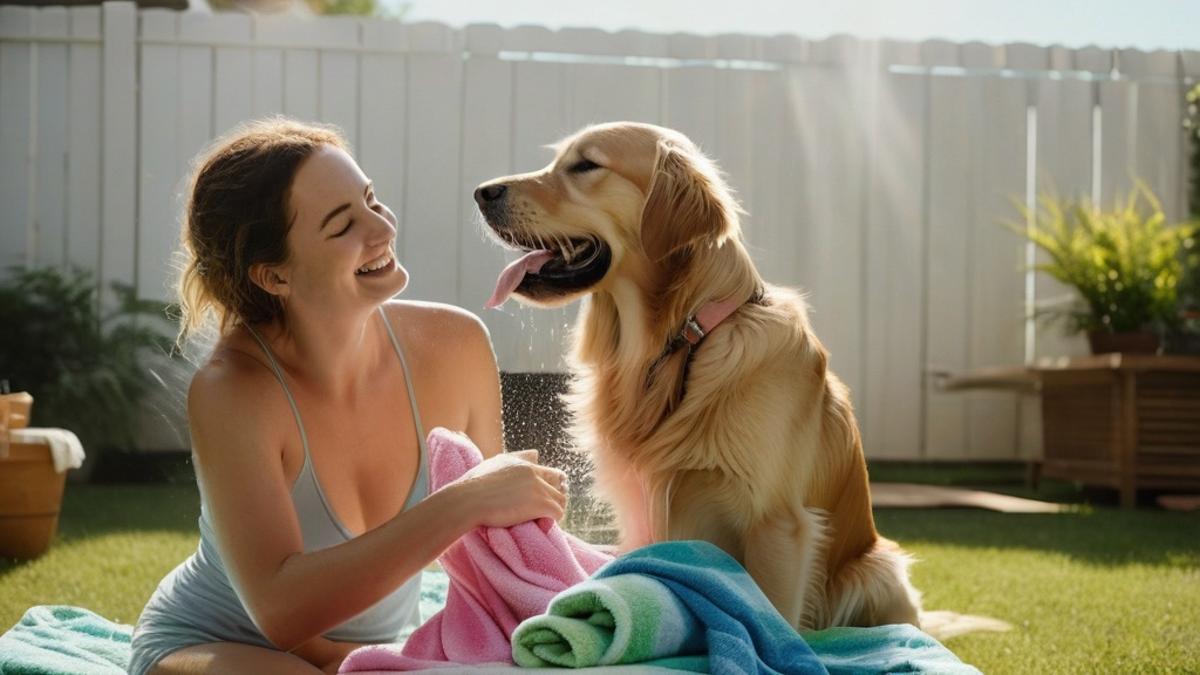
RECOMMENDED: Behavioral Management Strategies to Promote Hygiene and Well-Being of Dogs and Cats in Indoor Environments
Practical Hygiene Tips for Pets That Actually Change Behavior
Once owners accept that hygiene in managing pets behavior is not optional but foundational, the next question becomes practical: what specific routines produce measurable change? Veterinary behaviorists point to a handful of habits that consistently reduce anxiety-driven actions like scratching furniture, excessive barking, or inappropriate elimination.
Nigeria’s climate adds another layer to this conversation. High humidity in coastal cities like Port Harcourt and Lagos accelerates bacterial growth in food bowls, litter trays, and bedding far faster than in drier regions like Kano or Sokoto. A bowl left unwashed for two days in humid conditions can harbor bacterial colonies capable of causing gastrointestinal upset, which frequently shows up as irritability or lethargy rather than obvious illness.
The Litter Box Factor Most Owners Underestimate
Cats are remarkably particular about elimination hygiene, a trait rooted in survival instinct rather than fussiness. In the wild, a soiled den attracts predators, so domestic cats retain an aversion to dirty litter that many owners misread as stubbornness.
Studies on feline behavior suggest that litter trays cleaned only once daily see significantly higher rates of “inappropriate” elimination outside the box compared to trays scooped twice daily. For households managing multiple cats, veterinarians generally recommend one tray per cat plus one extra, a ratio rarely practiced in Nigerian homes where space and budget constraints often mean cats share a single tray.
This single adjustment, adding trays and scooping more frequently, resolves a substantial percentage of litter-related behavioral complaints without any training intervention at all.
Grooming Schedules That Support Dog and Cat Hygiene Indoors
Beyond litter and feeding stations, dog and cat hygiene requires attention to skin, coat, and paws, especially for animals rarely taken outdoors. The following routine offers a realistic starting point for Nigerian pet owners balancing hygiene with busy schedules:
- Wipe paws and undercoat after outdoor access to reduce tracked dust and allergens
- Brush medium to long-haired breeds at least three times weekly to prevent matting
- Clean feeding and water bowls daily, particularly during rainy season months
- Inspect ears weekly for wax buildup or odor signaling infection
- Wash bedding every seven to ten days using pet-safe, fragrance-free detergent
These hygiene tips for pets may appear minor individually, but compounded over weeks, they create an environment where animals feel physically settled rather than perpetually irritated by their surroundings.
Keeping Pets Clean Indoors Without Overwhelming Household Routines
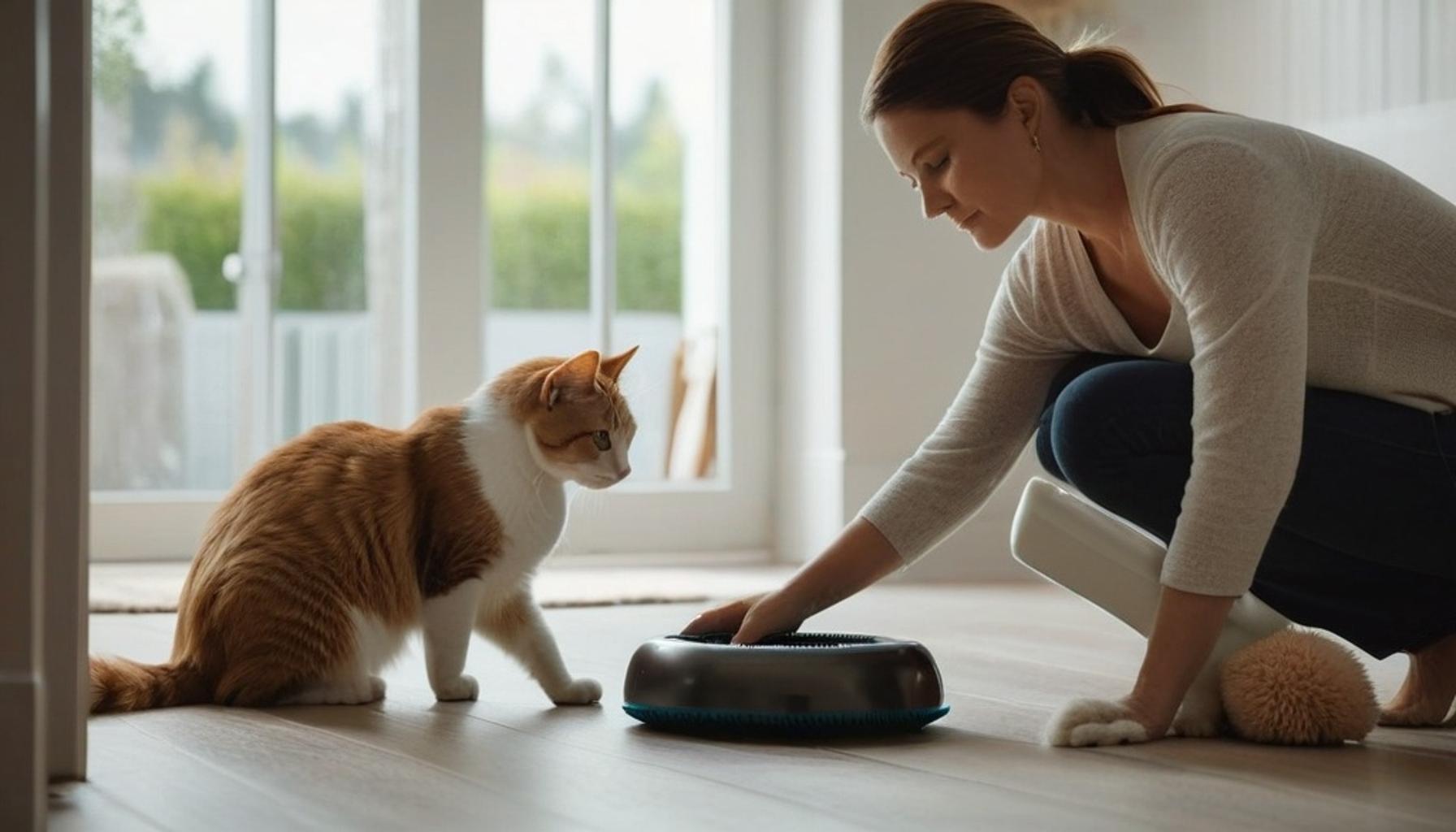
Many owners abandon hygiene routines simply because they seem time-consuming. Yet keeping pets clean indoors doesn’t demand daily deep cleaning. Spacing tasks across a weekly calendar, wiping surfaces one day, washing bedding another, distributes the workload while still preventing the buildup that triggers stress-related behaviors in shared indoor spaces.
Rethinking Hygiene as a Behavioral Investment, Not a Chore
Across every example explored in this article, one thread remains consistent: hygiene in managing pets behavior is never just about appearances. A clean litter tray, a washed bowl, a brushed coat, each carries direct weight on how an animal feels, reacts, and settles within a household.
For Nigerian pet owners navigating humidity, dust, and often compact living spaces, the importance of pet hygiene becomes even more pronounced. What works in drier, temperate climates may fall short in Lagos apartments or Port Harcourt bungalows, where bacteria and odor build up faster and tolerance for mess runs lower for both pets and people.
The evidence gathered here points to a simple conclusion: indoor pets behavior management improves measurably when hygiene routines are consistent rather than occasional. Scratching, barking, and elimination issues frequently trace back not to disobedience but to discomfort, an unmet physical need masquerading as a training problem.
Owners searching for lasting solutions might reconsider where they start. Instead of reaching first for obedience classes or behavioral correction tools, a closer look at feeding stations, bedding, grooming frequency, and litter management often reveals the actual source of tension.
Small, repeatable habits, scooping trays twice daily, washing bowls before humidity sets in, brushing coats on a fixed schedule, carry more influence over long-term behavior than most owners initially assume.
Ultimately, the households that succeed in keeping pets clean indoors tend to report calmer, more predictable animals. That correlation deserves more attention across Nigerian pet-owning communities, where hygiene is often treated as secondary to feeding and shelter, rather than as the behavioral tool it actually represents.
Frequently Asked Questions
How does poor hygiene affect the behavior of dogs and cats kept indoors in Nigerian homes?
Poor hygiene, such as dirty litter boxes or unclean bedding, can cause dogs and cats to develop stress-related behaviors like excessive scratching, marking, or aggression. Given Nigeria’s warm climate, uncleaned waste attracts pests and bacteria faster, which can heighten a pet’s discomfort and lead to more destructive or anxious behavior indoors. Maintaining hygiene in managing pets’ behavior helps reduce these triggers and keeps your home peaceful.
What simple hygiene routines can Nigerian pet owners adopt to prevent behavioral problems in cats?
Cleaning the litter box daily, washing food and water bowls regularly, and bathing your cat with pet-safe products can significantly reduce stress-induced behaviors like inappropriate urination or hiding. In Nigeria’s humid weather, frequent cleaning also prevents fungal infections that can make cats irritable or withdrawn. Consistent hygiene practices reinforce a sense of security, which naturally improves a cat’s behavior indoors.
Can flea and tick infestations from poor hygiene cause aggressive behavior in indoor dogs?
Yes, flea and tick infestations, common in Nigeria’s tropical climate, cause constant itching and discomfort that can make dogs irritable, restless, or even aggressive when touched. Regular grooming, bathing, and treating your dog’s bedding are essential parts of hygiene in managing pets’ behavior to prevent these infestations. Addressing hygiene early helps your dog stay calm and comfortable indoors.
How often should Nigerian pet owners clean pet areas to maintain good behavior in dogs and cats?
Litter boxes and dog waste areas should be cleaned daily, while bedding, toys, and feeding bowls should be washed at least twice a week, especially given Nigeria’s heat and humidity that speed up bacterial growth. Deep cleaning the pet’s living space weekly also helps eliminate odors that can trigger anxiety or territorial marking. Sticking to this routine supports better hygiene in managing pets’ behavior and keeps your indoor environment healthy for everyone.

Linda Carter
Linda Carter is a writer and pet care expert specializing in pet health, grooming, and wellness. With extensive experience helping pet owners create safe, loving, and enriching environments for their animals, Linda shares her knowledge on our platform. Her goal is to empower readers with practical advice and strategies to ensure their pets thrive and lead joyful, healthy lives.