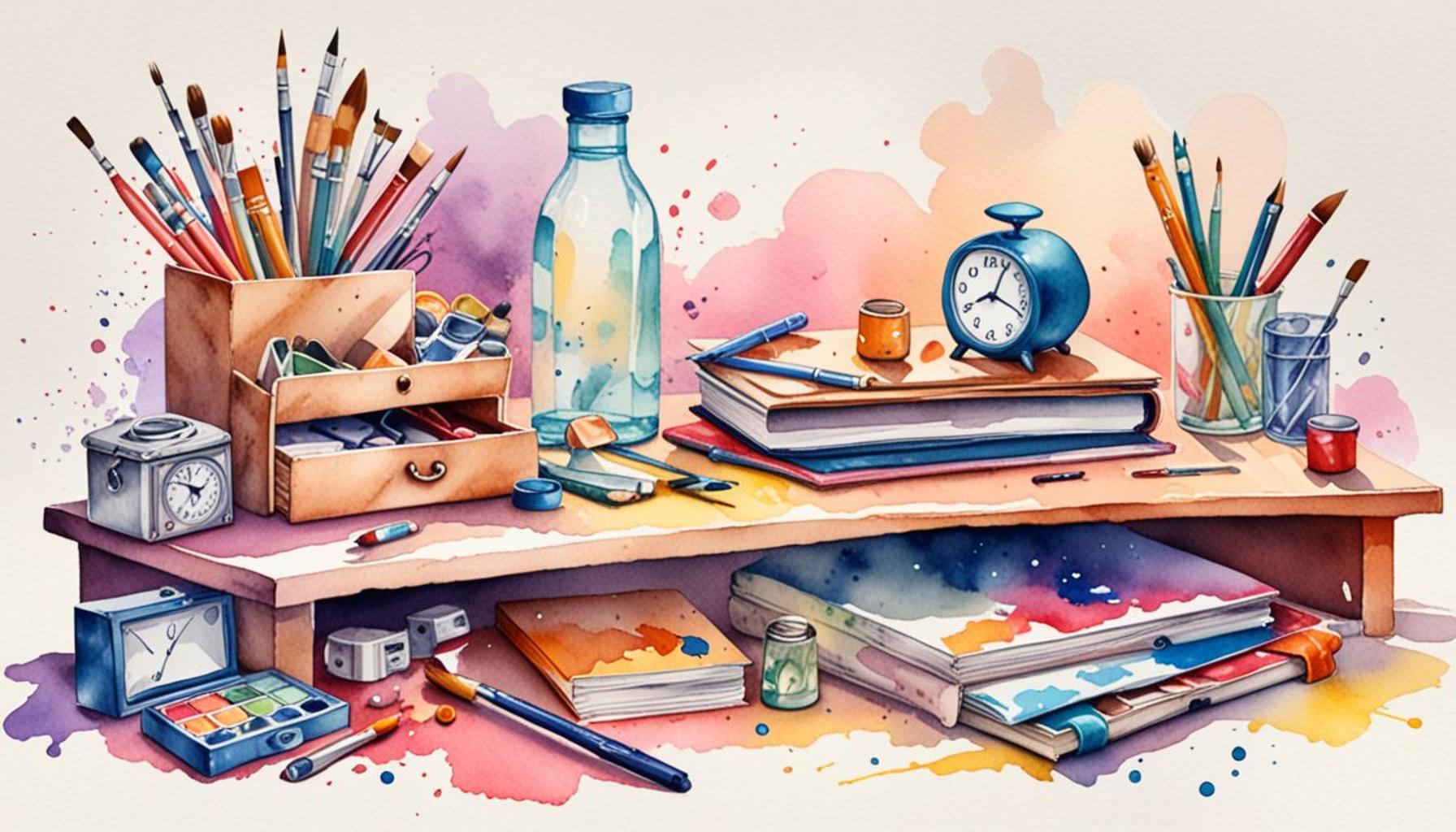
The Emotional Connection with Our Possessions: How to Identify What Brings True Joy

Understanding Our Attachment to Possessions
Every item we own carries a story, a memory, or an emotion. From our favorite childhood toys to the furniture that fills our homes, these possessions can evoke feelings of nostalgia, comfort, and even happiness. But how do we distinguish between what truly brings us joy and what is just excess clutter? The answer lies within our individual experiences and the significance we associate with each object.
Identifying these meaningful possessions can lead to a more fulfilling life. Consider the following:
- Sentimental Value: Items that remind us of significant life events often hold a cherished place in our hearts. A well-loved teddy bear from childhood, a graduation cap from our academic achievements, or even a family heirloom passed down through generations can evoke a deep emotional connection, creating a tangible link to our past.
- Emotional Benefits: Possessions that generate positive feelings or boost our mood play a crucial role in our daily lives. For instance, a piece of art that resonates with our personal aesthetics can brighten a dull day, while a comforting sweater might bring warmth not just physically but emotionally, serving as a reminder of a loved one.
- Usefulness: Objects that enhance our daily experiences or routines are often indispensable. Think about tools that make our lives easier, such as a reliable coffee maker that starts our day with a warm cup or a sturdy backpack that carries our essentials. These items not only serve a purpose but also contribute to our overall well-being.
In our fast-paced society, where consumerism often dominates, it is vital to take a step back and evaluate our relationships with our belongings. Are we holding onto items out of obligation or true affection? For example, many people find themselves clinging to gifts they received out of courtesy, regardless of their actual value or utility. This exploration can unlock a deeper understanding of ourselves and what genuinely enriches our lives.
Through the process of reflection, we can celebrate the emotional connection we have with our belongings while also learning to let go of those that no longer serve us. Practicing mindfulness—considering how items make us feel and their relevance in our lives—can help us sort through the clutter effectively. Join us as we delve into the intricacies of this relationship and uncover the treasures that truly spark joy. Ultimately, reducing clutter not only creates physical space but also fosters mental clarity, allowing us to appreciate the meaningful elements that contribute to our lives.
DISCOVER MORE: Click here to enhance your productivity

Reflecting on the Significance of Our Things
As we embark on the journey to understand our emotional ties to possessions, it’s crucial to take a step back and reflect on their significance in our lives. Each item represents not only a purchase but also a chapter of our story—something wrapped in memory and sentiment. How do we determine which of these items truly enrich our lives and which simply occupy space?
To facilitate this exploration, we can categorize our possessions into several key themes. Doing this allows us to better grasp their relevance and connection to our emotional well-being:
- Memory Keepers: These are the items that remind us of pivotal experiences. A concert ticket stub may evoke the excitement of a live performance with friends, while an old photograph might transport us back to cherished moments with family. These possessions remind us of who we are and where we’ve been, often acting as anchors in our lives.
- Sources of Comfort: Some belongings have the extraordinary ability to bring us immediate comfort. A favorite blanket or a cherished book can ease our minds after a long day, providing a source of solace in times of stress. Understanding which possessions can help us cope during challenging moments is crucial to nurturing our emotional health.
- Markers of Accomplishment: Objects that symbolize our achievements can serve as powerful reminders of our capabilities. Whether it’s an award, a diploma, or a memento from a hard-fought journey, these items celebrate our victories and inspire confidence, reinforcing our self-worth.
- Aspirational Objects: Some items resonate with our dreams and aspirations. A yoga mat might represent our commitment to physical and mental health, while a sketchbook could symbolize our desire to explore creativity. Assessing the emotional weight of these objects can reveal which aspirations we wish to pursue actively.
Moreover, it’s essential to address the habits we form around acquisition and retention. In our consumer-driven society, it has become all too easy to accumulate objects without thoughtful consideration. Therefore, we may find ourselves surrounded by items we feel obligated to keep, rather than those that serve us or bring us joy.
As we dive deeper into this process, asking ourselves insightful questions can clarify our emotional connections. Do we cherish the possessions that hold true value in our lives, or are we merely influenced by societal expectations to own certain things? Reflecting on these questions can help us disentangle the dense web of emotional ties we have to our belongings today.
Ultimately, by identifying what truly brings us joy among our possessions, we’re not just decluttering physical space. We are also clearing emotional space, leading to greater mental clarity and genuine appreciation of the treasures that nourish our lives. By prioritizing meaningful objects over mere possessions, we allow ourselves to focus on what truly matters—creating a home filled with love, warmth, and cherished memories.
The Emotional Connection with Our Possessions
When we delve into the notion of emotional connections with our belongings, it’s essential to understand how these items shape our identity and influence our well-being. Each object we own carries a story, imbued with memories and feelings that resonate deeply within us. This concept invites us to explore the significance of our possessions, encouraging reflection on whether they truly spark joy or merely clutter our lives.One fascinating aspect of this connection is how sentimental items can serve as anchors in our lives. For many, objects like inherited jewelry or childhood toys represent not just memories but also connections to loved ones. These items become vessels of nostalgia, helping us navigate our emotions and maintain relationships with those who have shaped our lives. Recognizing this emotional significance enables us to prioritize what truly matters and to declutter our spaces mindfully, focusing instead on possessions that genuinely enrich our experience.Moreover, understanding the impact of consumer culture on our emotional connections to objects is crucial. Today, society often equates owning more with happiness, prompting individuals to acquire items that may not hold true value to them. This phenomenon often leads to disillusionment, as the initial joy of acquiring new possessions fades quickly. By questioning our motivations for purchase and letting go of societal expectations, we can curtail the cycle of endless consumption and instead foster relationships with items that bring lasting joy.To better grip this topic, let’s consider practical ways we can assess our emotional connections to our belongings, which might lead to profound insights into what brings us real happiness. Below, we present a table summarizing key advantages associated with recognizing the emotional value of our possessions:
| Category | Insights |
|---|---|
| Sentimental Value | Items linked to cherished memories foster emotional well-being and a sense of belonging. |
| Mindful Possessions | Choosing to keep objects that genuinely bring joy nurtures a clearer, more meaningful living space. |
| Consumer Awareness | Questioning impulse purchases can lead to more meaningful ownership experiences and a clearer understanding of happiness. |
Each of these beliefs contributes significantly to the overall understanding of how to identify what truly brings joy in our lives. By reflecting on what we possess and the emotions tied to them, we lay the groundwork for a life filled with intentionality and fulfillment.
DISCOVER MORE: Click here to align your belongings with your values
Understanding Our Attachment Styles
To uncover what truly brings us joy, we must first explore our attachment styles to our possessions. Research in psychology suggests that our relationships with objects reflect deeper emotional connections, shaped by our experiences and background. Four primary attachment styles—secure, anxious, avoidant, and disorganized—can influence our approach to belongings, and identifying our style can help us make sense of the choices we make regarding possessions.
Secure attachments often lead to a healthy appreciation of items that genuinely enhance our lives. These individuals are likely to hold onto belongings that evoke positive memories while remaining open to change, freely discarding items that no longer serve them. In contrast, those with an anxious attachment style may struggle with the thought of letting go, fearing that parting with certain items might sever connections to important people or experiences. This attachment can result in emotional clutter, making it difficult to discern what truly matters.
Avoidant attachment can manifest as a disinterest in possessions altogether, often leading to the accumulation of items that lack meaningful significance. People with this pattern may avoid dealing with the emotional implications tied to their belongings, resulting in a hodgepodge of items that don’t bring joy or fulfillment. Disorganized attachment, on the other hand, creates chaotic relationships with possessions, causing swings between excessive acquisition and erratic discarding, reflecting unresolved emotional conflicts.
Mindful Evaluations: The “Joy Check” Method
In the quest to identify what brings true joy, adopting a methodology like the “Joy Check” method can prove invaluable. This technique encourages a deliberate pause during the process of decluttering, integrating mindfulness into our evaluations. When assessing each item, we can ask ourselves the following questions:
- When did I last use or appreciate this item?
- Does this object genuinely bring joy to my life, or is it tied more to obligation or guilt?
- How do I feel when I hold this item? Does it evoke happiness or sadness?
- Can I picture my life without it? If so, am I content with that idea?
Answering these questions forces us to confront our feelings about each possession honestly. For instance, while a designer handbag may hold a fragile allure of glamour, the *real* joy might lie in an old quilt that reminds us of cozy family gatherings. Through this process, we can differentiate between authentic joy and societal pressure, ultimately allowing us to curate a collection of objects that resonates with our true selves.
The Cultural Dimension of Possessions
Beyond individual experiences, societal and cultural influences also shape our emotional connections with possessions. In the United States, consumer culture often promotes the idea that happiness is tied to ownership—bigger houses, newer gadgets, and fashionable clothes are frequently portrayed as measures of success. This can create a disconnect between our personal experiences and societal expectations.
Moreover, cultural values often dictate what is worth keeping. For example, family heirlooms might hold immeasurable emotional value, passed through generations and carrying stories of lineage. Understanding the cultural contexts surrounding our belongings helps us appreciate their significance beyond mere aesthetics or functionality.
Ultimately, as we navigate our emotional connections to our possessions, acknowledging both individual and cultural influences empowers us to make informed decisions. This journey of self-discovery allows us to minimize the noise of societal expectations, reframing our focus on what truly fosters happiness and satisfaction in our lives.
DISCOVER MORE: Click here to uncover
Conclusion: Embracing the True Joy of Possessions
Understanding our emotional connections with possessions is a profound journey that not only illuminates our personal histories but also aligns our living spaces with what truly brings joy. As we’ve explored, factors such as attachment styles and cultural influences significantly shape how we relate to our belongings. By examining our relationship with items—through techniques like the “Joy Check” method—we can identify which possessions enrich our lives and which merely clutter our emotional landscape.
This process encourages us to confront societal pressures that equate happiness with ownership, pushing us towards consumerism instead of genuine fulfillment. Instead of chasing after the latest trends or succumbing to guilt from inherited items, we can focus on what resonates with us on a personal level. Essential to this journey is the recognition that joy often lies in memories, experiences, and significant connections rather than material worth.
Furthermore, as we work to cultivate a home filled with items that inspire positivity and happiness, we not only foster a sense of belonging and identity but also contribute to a more meaningful existence. Ultimately, the goal is to create a living space reflective of our true selves—where each item serves as a reminder of what really matters. By continuing this exploration, we can enhance our lives with the true joy that our possessions can evoke, allowing for a more intentional, fulfilling approach to ownership.